AI has been one of the most controversial buzzwords throughout the gaming industry over the last few years. On the upside, AI has been useful for enabling developers to compress textures and for allowing graphically intense games to be upscaled on supported devices via technologies such as Nvidia DLSS or AMD FSR.
However, AI has an unfortunate but well-deserved reputation for being used to replace human jobs in the gaming and tech sectors. 2025 was no different, with Microsoft laying off over 9,000 employees in the summer. The cuts were made despite backlash against Microsoft for touting its financial successes and its pivot toward AI use in Windows 11 and other products.
The useful side of AI in gaming
First, it is important to distinguish between Generative AI and established technologies that have long been used in gaming. For example, AI as a method of determining how certain characters and enemies behave in single-player games has been around since the arcade days.
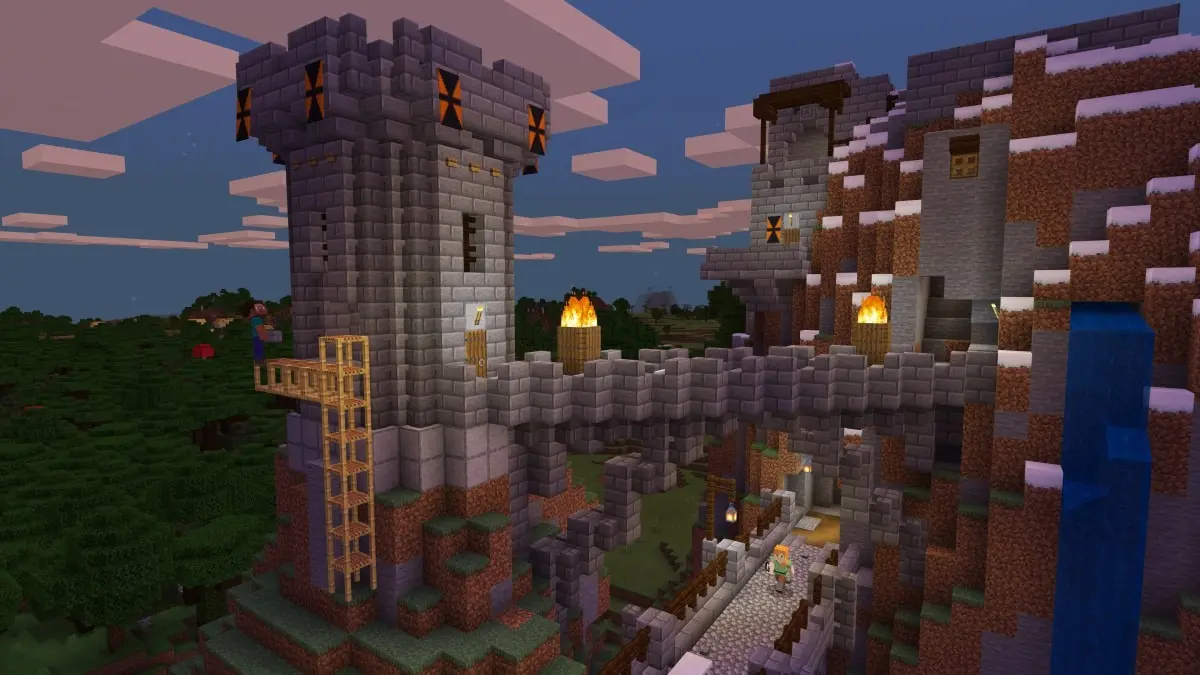
Additionally, procedural generation has been used in various ways to generate levels and non-player characters in open-world titles such as Minecraft and Terraria. Although these use algorithms to generate levels and worlds, procedural generation has been a well-established method for encouraging multiple playthroughs in games.
Today, AI-based solutions can increase performance on underpowered hardware, provided that a console or PC has the necessary parts for that to work. Upscaling takes an image and renders it in a lower resolution before upscaling it to a higher one.
While this can make games have higher frames per second (FPS), upscaling is dependent on the game itself, and some users may notice a difference in quality when upscaling is active.
Nvidia’s Deep-Learning Super Sampling (DLSS) requires an RTX graphics card, such as the RTX 5070, since it utilizes the Tensor Cores within the GPU. By comparison, older iterations of AMD FidelityFX Super Resolution (FSR) are open-source, meaning that any GPU can utilize it on a case-by-case basis.
Consoles like the PS5 and Xbox Series X/S can utilize AMD FSR technology to upscale games that may struggle to maintain 60 FPS at high resolutions, with options like Performance Mode being a simple way to activate it in supported titles.
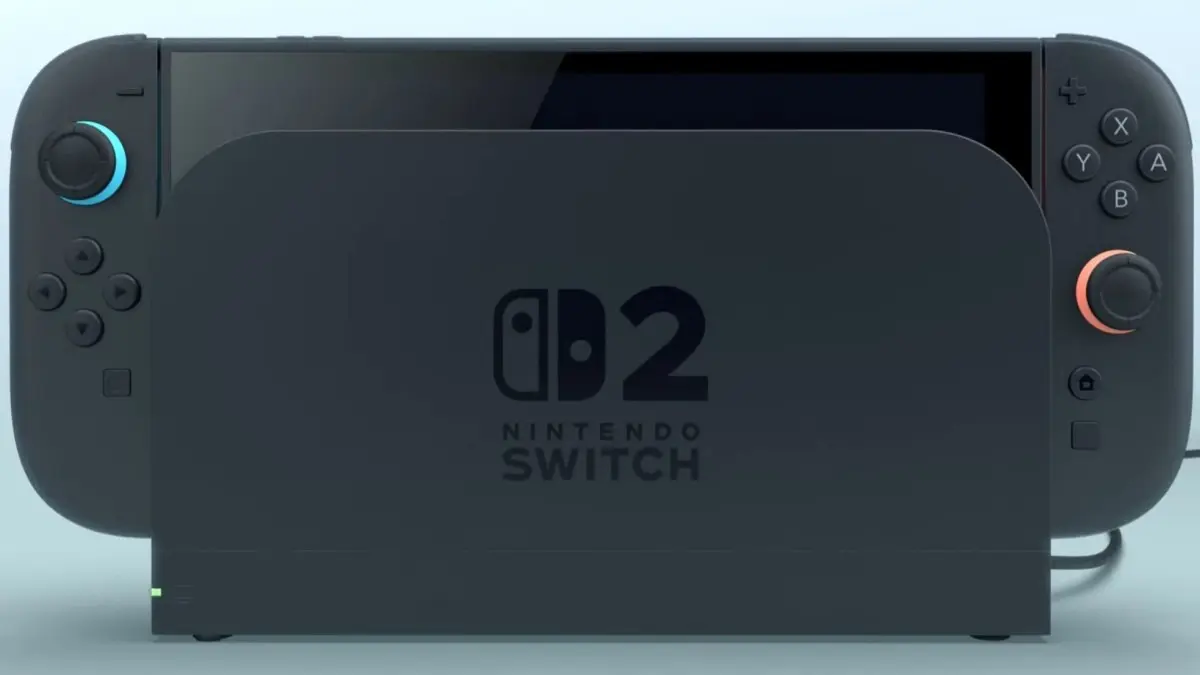
Conversely, the Nintendo Switch 2’s Tegra T239 processor, which was developed by Nvidia, supports DLSS as one of its upscaling options. Even graphically intense games like Cyberpunk 2077 can run on the Switch 2 thanks to DLSS.
CD Projekt Red has stated that DLSS made it possible to port Cyberpunk 2077 to Nintendo’s latest console. With the Switch 2 connected to the TV via its dock, Cyberpunk 2077 targets 30 FPS in Quality Mode, but this can go up to 40 FPS via Performance mode.
However, turning on Performance Mode requires the Switch 2 to render the game at 540p rather than 1080p. According to Digital Foundry’s tests, Cyberpunk 2077’s base experience is serviceable on the Switch 2, but struggles in content from the Phantom Liberty expansion.
Plus, AI has been used as a method to compress textures and save some valuable storage space, making what would otherwise be a daunting download an installation process a relatively painless one. Although it is not clear what technologies were used in its file-shrinking process, Helldivers 2 on Steam has recently released a beta patch that cuts the game’s file size to a fraction of what it once was.
Before the beta patch, Helldivers 2 required PC players to save at least 154GB of storage space, due to techniques that duplicated textures on systems that ran the game on hard disk drives. However, Nixxes Software, which had previously helped Sony with porting Helldivers 2 to Xbox Series X/S consoles, stepped in to cut down on the game’s large file size.
With the beta update, Helldivers 2 on Steam only requires 23GB of storage space on a solid-state drive (SSD), nearly a seventh of the previous 154GB needed to play the game. With Helldivers 2 expected to phase out the current client in favor of the smaller beta build in the near future, users will have to eventually reinstall the game to keep playing.
Although AI has its uses in some cases, those are quickly overshadowed by a problematic reputation that it has gained throughout the 2020s. That reputation will not fade anytime soon.
AI’s mad cow disease moment
Along with its impact on the job market, the data on which Generative AI is trained can come from practically anywhere on the Internet, often without a user’s explicit consent. Additionally, the art and image data accessible to AI servers can create unnecessary work for concept artists to correct during development, rather than being used as intended as concept art.
An unfortunate side effect of the widespread use of Generative AI is the mistaken attribution of human-generated work to machine-generated output. For example, the developers of indie RPG Shrine’s Legacy have denied allegations that its writing and sprite-based art were created using AI, despite a small number of Steam reviews accusing them of such.
Although no evidence of AI usage within Shrine’s Legacy has been officially uncovered, the accusations can still leave a stain on a game’s reputation.
Even Clair Obscur: Expedition 33, a game widely lauded for its voice acting, music, and turn-based RPG battle system, has seen its share of controversy concerning AI-based usage.
Developer Sandfall Interactive previously stated that it has used some generated AI art assets as placeholders for the game’s newspaper texts. Although Sandfall patched out these assets after the game had been released, the game came under scrutiny from one organization.
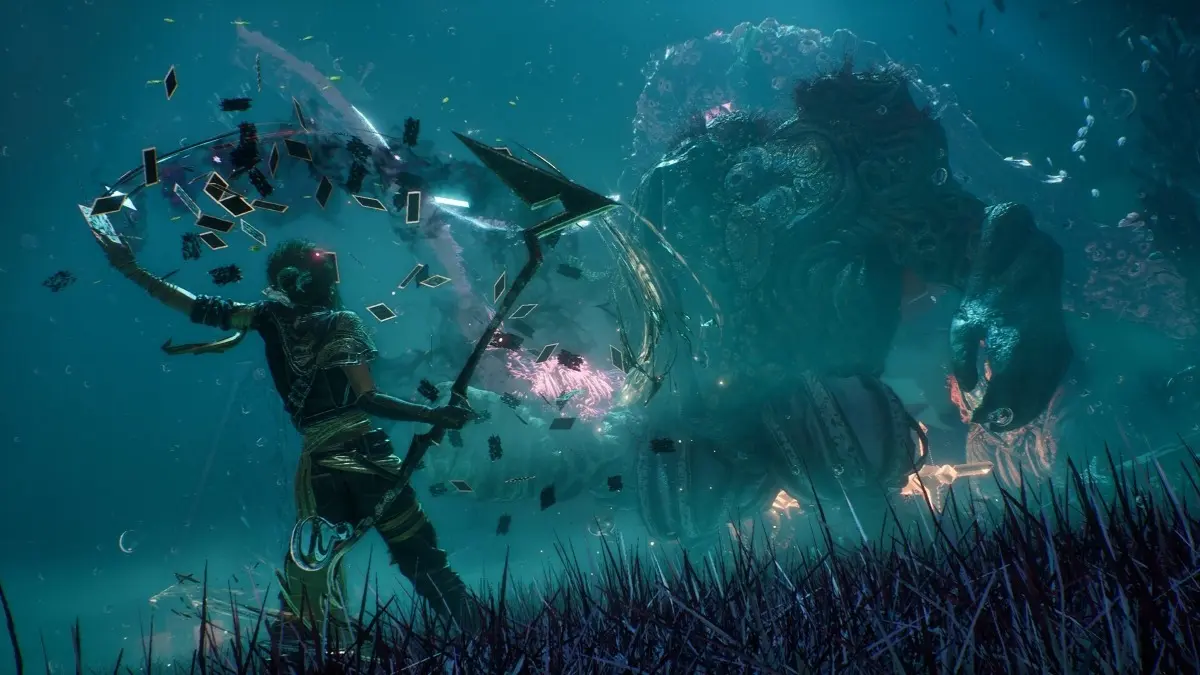
After awarding Clair Obscur: Expedition 33 with its Indie Game of The Year honors, the Indie Game Awards panel retroactively stripped the honor from Sandfall. According to the IGA’s policies, Sandfall initially stated when submitting the game for consideration that it had not used Generative AI in the game’s main development. However, the placeholder art assets showed otherwise.
Despite the IGA taking back its biggest prize and awarding it to Blue Prince instead, Clair Obscur: Expedition 33’s nine honors that it earned from the 2025 edition of The Game Awards still stand.
With Generative AI usage continuing to permeate throughout game development, it has drawn the ire of some developers who have not minced words about it. Rockstar Games co-founder and former Grand Theft Auto series lead writer Dan Houser compared AI widespread adoption rate to “mad cow disease.”
The comparison stemmed from how mad cow disease spawned from poor industrial practices that contaminated entire systems, where cows were fed the remains of other cattle, leading to death and the spread of the disease. With Generative AI drawing a stark comparison to a deadly disease, Houser said that CEOs who are pushing for aggressive use of AI in the workplace are acting inhumane.
Why your next GPU might cost twice as much
Since October 2025, the prices of DRAM have spiraled completely out of control. This is due in large part to OpenAI effectively reserving 40% of the global supply exclusively for AI-based data centers set to go online over several years, all of which require copious amounts of silicon and other components.
A 2×16 kit of DDR5 RAM that cost around $90 in September 2025 has since quadrupled in price to over $360 by the end of the year, with no predictable price drop in sight.
The crisis will also force PC gamers looking to make an upgrade to act sooner rather than later, as the DRAM shortage also extends to video memory used in graphics cards by Nvidia, AMD, and Intel. Prices on GPUs are expected to rise in the coming weeks and months.

Given how many games utilize ray tracing in a mandatory fashion, this could price many users out of an upgrade if they wait too long. Although the GPU market has weathered a period of ridiculous prices before, primarily brought on by cryptocurrency mining during the COVID-19 pandemic, the upcoming surge will still sting for consumers.
However, the crisis brought on by AI’s hunger for RAM and other components will extend beyond PC gaming. Given that the PS5 and the Xbox Series X/S consoles have already seen price increases due to the state of the global economy, the Switch 2 has so far been spared this fate. That said, the DRAM crisis is likely to spike up console prices across the board, with the Switch 2 caught in the crosshairs of a potential price spike.
The next iteration of the Steam Machine is slated to arrive sometime in 2026, though the ongoing RAM crisis has prevented Valve from divulging its price and exact release date. But, Valve has stated the Steam Machine’s specs match or exceed 70% of PCs that can run Steam’s desktop client. The big question is how much value the Steam Machine will bring to consumers amid the RAM shortage will depend on its initial price.
For now, gamers are stuck in the middle. Enjoy the DLSS upscaling while bracing for GPU prices that might double by summer. The AI revolution promised optimization. It delivered a mess that everyone except the CEOs will have to clean up.
