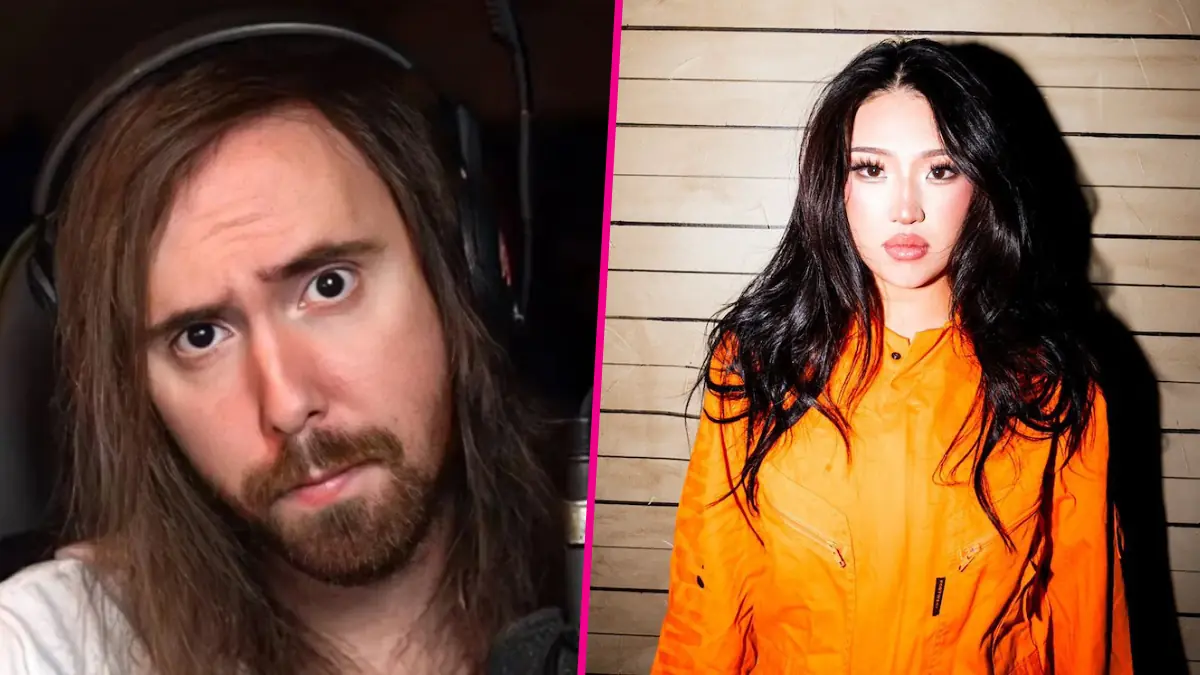
Twitch partner Nina Lin has faced multiple allegations of on-stream sexual assault and shoplifting but received only brief suspensions from the platform. The case has triggered fierce criticism from Asmongold, who called out Twitch for what he sees as enabling criminal behavior.
Lin allegedly sexually assaulted two different people during live broadcasts. According to viewers who tracked the incidents, Twitch issued a one-day suspension after the first assault. When she committed a second assault on stream, the platform extended her ban to roughly one week.
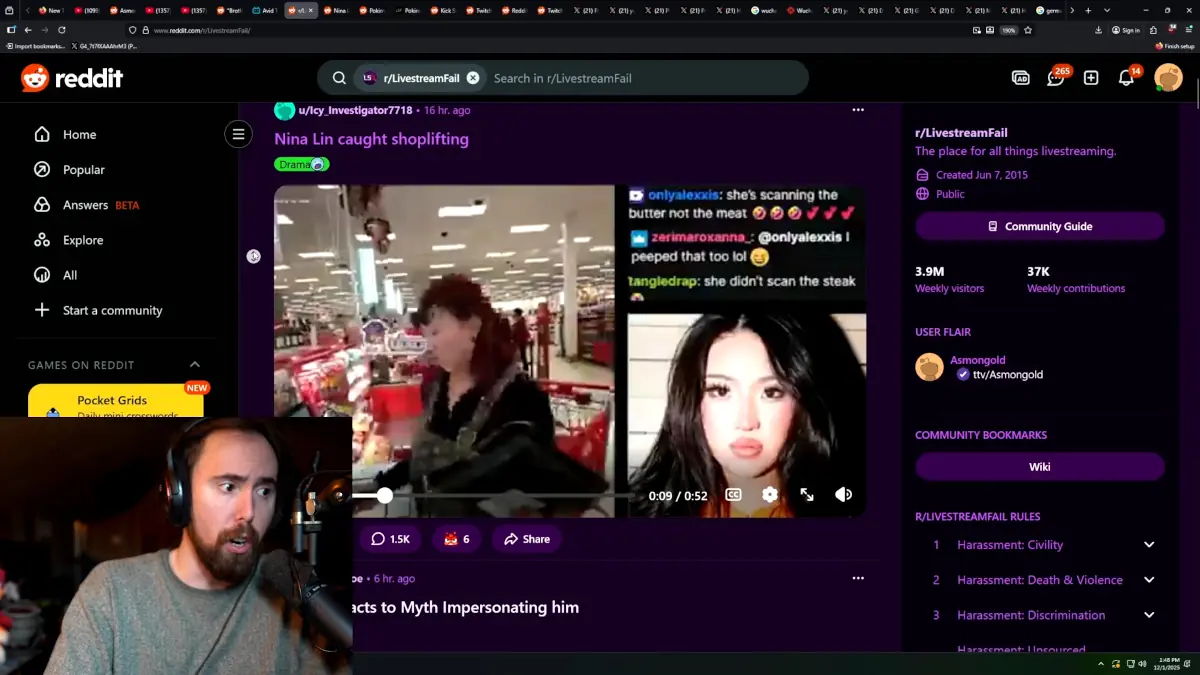
She also broadcast herself stealing from a Target store, with witnesses reporting she took steaks without paying. Despite this being captured on camera, Twitch didn’t issue a permanent ban, instead suspending her account for only a short duration.
Asmongold addressed the situation on stream, attacking Twitch’s inconsistent enforcement. He accused the platform of “promoting and allowing sexual assault” by continuing to host Lin and applying minimal punishment.
The controversy has restarted debates about Twitch’s enforcement consistency. Community members point to an earlier case where someone who attempted to sexually assault streamer Emiru received a one-month suspension—four times longer than Lin’s first ban.
Other streamers have faced harsher penalties for less severe violations. Meatcanyon received a ban for joking about self-harm during a Magic: The Gathering stream, while Lin faced minimal consequences for documented crimes.
Twitch’s Community Guidelines explicitly prohibit sexual violence, non-consensual touching, and illegal activities on stream. The platform uses graduated penalties ranging from warnings to permanent bans, but enforcement decisions often lack transparency, and can range in severity depending on the creators involved.
Lin’s viewership has reportedly grown significantly amid the controversy, leading to questions about whether platforms have financial incentives to keep controversial creators active. While it draws intense scrutiny, Lin’s higher-than-average viewership as a result brings more viewers to Twitch, which has benefited from similar scenarios in the past.
Why enforcement matters
The incidents raise safety concerns beyond one creator’s channel. IRL streams often feature guests and bystanders who appear on camera without full understanding of the risks. When streamers commit assault or harassment during broadcasts, victims may have limited recourse if the platform treats violations as minor infractions.
Asmongold made his comments while streaming on Kick, a rival platform backed by gambling site Stake. Kick markets itself as more creator-friendly with looser content restrictions, though this has attracted its own controversies. His shift to multi-streaming on Kick adds context to his criticism, though supporters argue his points about safety stand regardless of platform politics.

