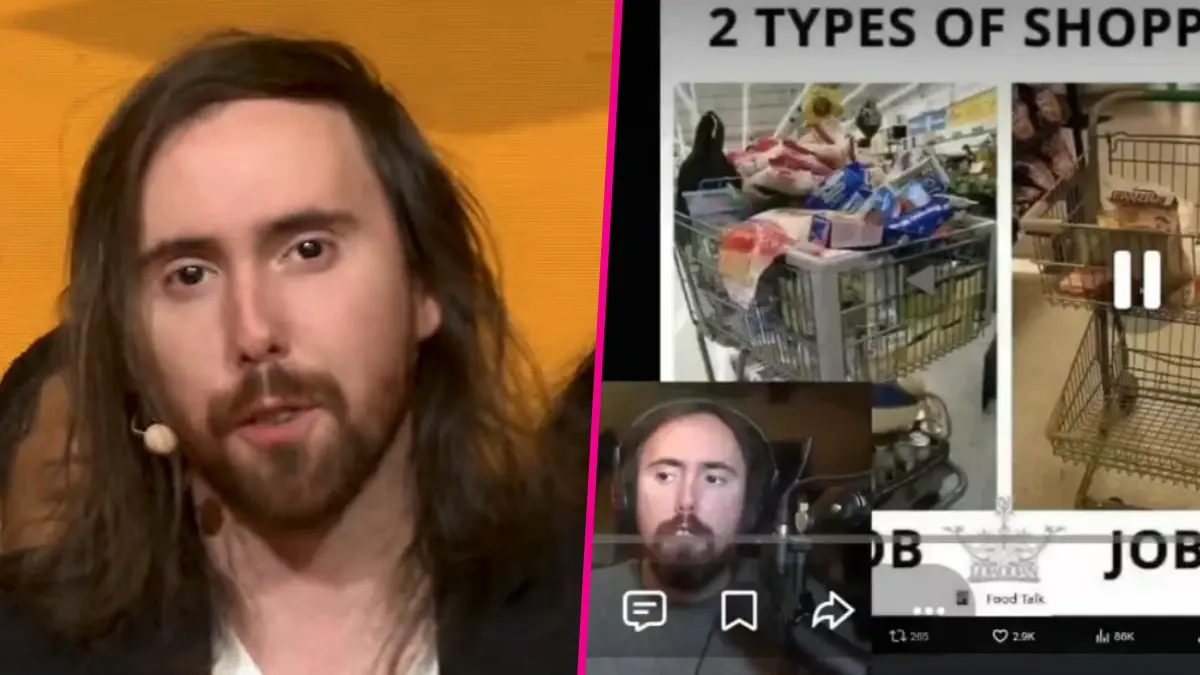
Asmongold discussed U.S. food assistance policy during a recent livestream, arguing that the current system needs major fixes. The streamer explained how SNAP benefits (commonly called food stamps) create what’s known as a “benefits cliff” that can leave working people worse off when they earn slightly more money.
The core problem is simple. A person working minimum wage might qualify for food assistance. If they pick up extra hours or get a small raise, they can suddenly lose eligibility for benefits. The result is less total money in their pocket than before the raise.
Asmongold said more people should qualify for food stamps, not fewer. He argued the phase-out should be gradual, so earning more always results in a net gain. The current system can effectively punish people for working harder.
The streamer mentioned he’d been on food stamps earlier in his life, giving him direct experience with the program. SNAP provides electronic benefit cards that eligible low-income households use to buy groceries at authorized stores. Eligibility depends on household size and income, with benefit amounts varying widely based on those factors.
Beyond the technical policy issues, Asmongold framed the debate as misdirected anger between working and lower-income people. He suggested the real problem is system design and wage stagnation, not individuals using available assistance. He also referenced taxing the ultra-wealthy as a way to better fund basic needs programs.
The Medicaid problem is even worse
The benefits cliff hits harder with health insurance than food assistance. Losing Medicaid eligibility can mean facing high insurance premiums, deductibles, and gaps in medical care. A modest income increase that costs someone their health coverage creates a massive financial shock that dwarfs the loss of grocery benefits.
SNAP benefits typically decrease gradually as income rises rather than disappearing instantly. But eligibility rules, income thresholds, and interactions between different programs can still create sudden losses that make the system feel like a trap.

