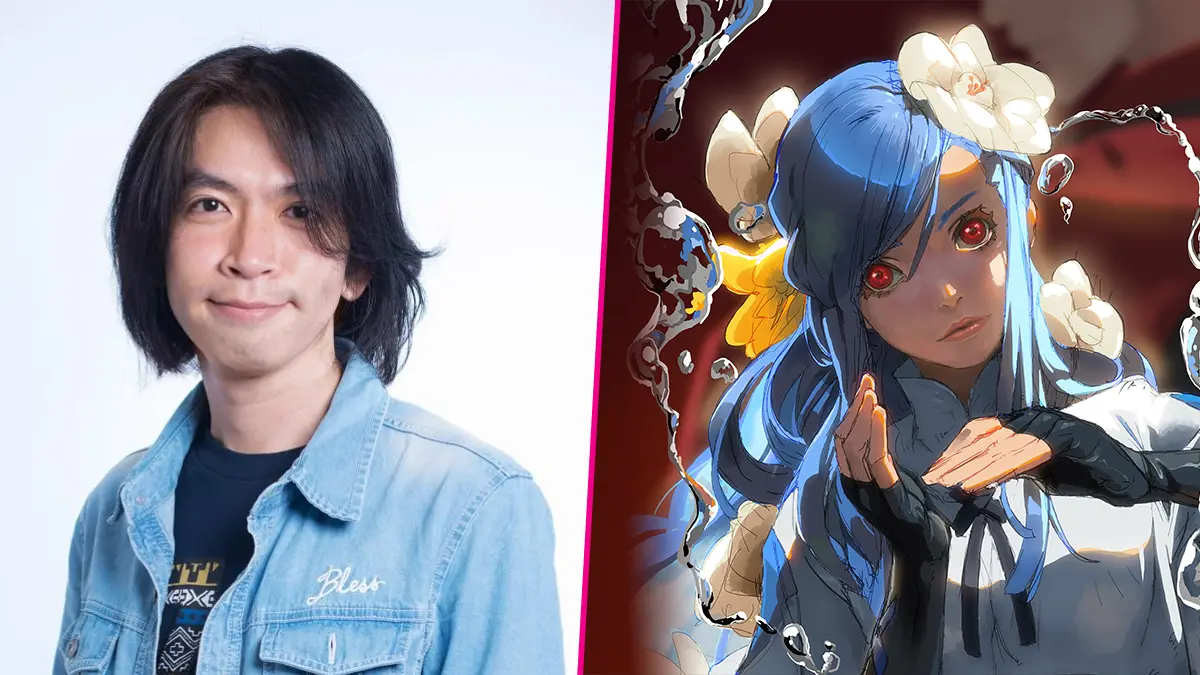
Daisuke Ishiwatari has raised concerns about how modern AAA game development can lock developers into extremely narrow tasks for years at a time. The Guilty Gear creator and Arc System Works creative lead pointed to a long-running industry joke about developers spending entire projects “just placing grass on maps” and warned it’s becoming closer to reality than humor.
The problem goes beyond tedious work. Ishiwatari explained in a recent interview with 4gamer that developers can invest decades mastering a single production task only to find themselves unable to adapt when studios change tools, projects end, or layoffs hit. If you’ve spent years exclusively placing environmental assets or tweaking one specific game system, pivoting to a different role becomes difficult.
This overspecialization stems from how massive AAA teams manage complexity. Large productions with multi-year schedules and enormous asset counts often segment work into rigid pipelines. What starts as efficient division of labor can trap individuals in repetitive tasks with minimal creative input or skill growth.
Ishiwatari described taking a different approach on his own projects. Rather than producing detailed character specifications with multiple revision rounds, his team sometimes prepares only a rough sketch and leaves interpretation to the modelers. Those modelers then own entire characters from start to finish instead of splitting modeling and animation duties.
With this method, Ishiwatari reported faster iteration, easier communication between departments, and staff gaining experience outside their primary discipline. When one person understands both the modeling constraints and animation needs, revisions happen quicker and handoff errors disappear.
Cross-training beats pipeline prison
The concern isn’t theoretical. Some developers spend years locked into live-service maintenance, working exclusively on elevators or UI systems or a single game mode. When that project shuts down or the studio shifts direction, those hyper-specialized skills don’t transfer easily.
Ishiwatari’s broader ownership model counters this trend by building redundancy and flexibility into teams. More people can cover more tasks when schedules shift, and individuals develop portfolios that extend beyond “I placed foliage for three years.”

