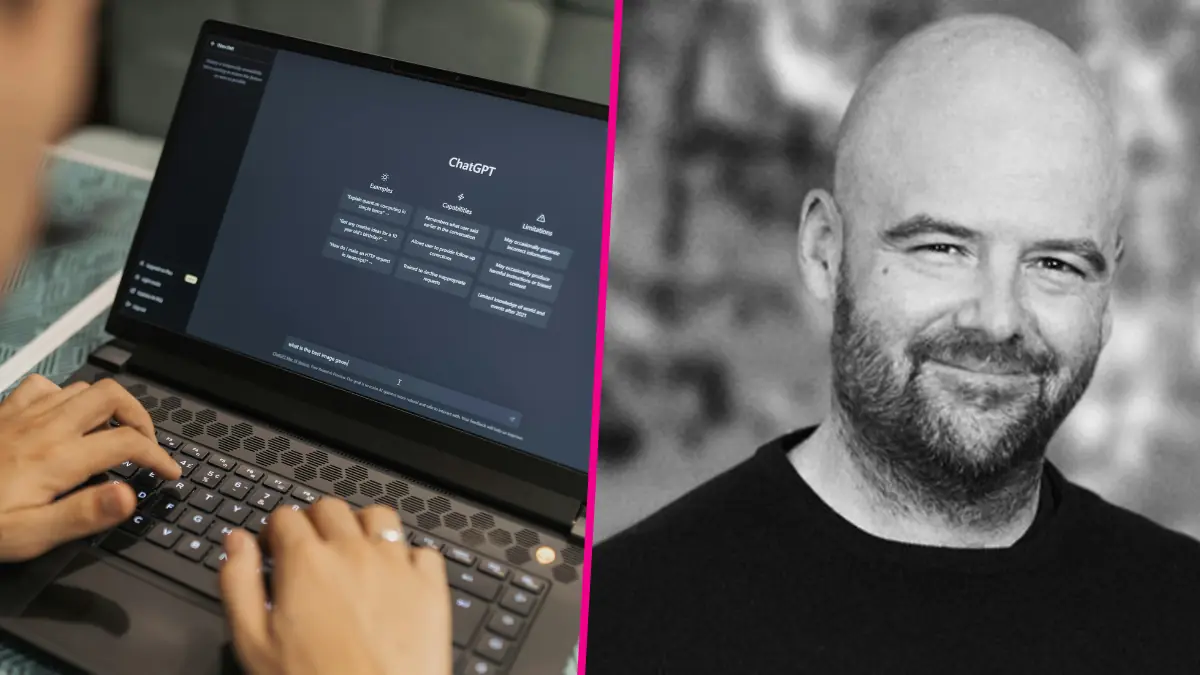
Dan Houser isn’t mincing words about generative AI in gaming. The Rockstar Games co-founder and lead writer behind Grand Theft Auto and Red Dead Redemption recently slammed executives pushing AI adoption in creative industries, calling them “not the most humane or creative people” and comparing the technology’s spread to “mad cow disease.”
Houser made the comments during a recent interview promoting his new studio, Absurd Ventures. In the wake of many studio bosses eagerly adopting AI, Houser’s remarks run counter to many top level executives in the industry, such as EA CEO Andy Wilson, many of whom are positive the technology will spearhead future projects.
The mad cow disease comparison couldn’t be more appropriate in this context. That crisis stemmed from poor industrial practices that contaminated entire systems, where cows were allegedly fed the remains of other cows, leading to the deaths of many cattle and danger to human life.
By equating generative AI to mad cow disease, Houser’s points allude to a culture of regurgitating content to everyone’s detriment. According to Houser, the executives most aggressively backing AI are driven primarily by cost-cutting and short-term financial goals, rather than genuine interest in enhancing creativity or improving working conditions.
Houser’s words carry plenty of weight
Dan Houser has been a widely respected figure in the games industry for decades. He was lead writer/co-writer on GTA III through V and both Red Dead Redemption games. His brother Sam Houser remains president of Rockstar, meaning Dan has no involvement in the studio’s current operations or any recent decisions, such as the controversial firings of UK Rockstar staff.
Since leaving Rockstar, Houser founded Absurd Ventures in 2023, a transmedia storytelling company focused on building new IP across games, film, TV, books, and audio. His recent interviews promoting the venture have touched repeatedly on the future of creative work and technology, ironically touching on his own use of generative AI.
The gaming industry has seen massive layoffs throughout 2023 and 2024, with tens of thousands of developers losing their jobs across major publishers and indie studios. At the same time, executives on earnings calls frequently tout AI initiatives driving ever-higher profits.
This timing has fueled fears that AI is being used to justify cutting creative staff. Publishers are experimenting with AI for everything from concept art and NPC dialogue to localization and QA testing. Arc Raiders has come under fire recently for its AI-voiced ping system, something that was written into the contracts of its voice actors.
The entertainment industry’s broader AI debate has already led to major union actions. SAG-AFTRA and the WGA have negotiated protections around AI use in contracts, and performers continue pushing for stronger safeguards against unauthorized voice and likeness replication.
Houser’s critique carries weight given his track record, having helped create some of the most successful and narratively ambitious games in history. His position as an independent creative now, rather than answering to public company shareholders, gives him freedom to speak more openly about industry practices.
The irony some won’t miss
Rockstar itself has faced sustained criticism over workplace culture, particularly extreme crunch conditions. The “Rockstar Spouses” open letter in 2010 highlighted brutal mandatory overtime at Rockstar San Diego. Coverage of Red Dead Redemption 2‘s development in 2018 documented 60-100 hour work weeks, with Houser himself mentioning “100-hour weeks” in an interview that sparked major criticism.
The studio reportedly implemented reforms after that controversy, though the extent of actual change remains debated. Houser’s current criticism of inhumane executive decision-making lands differently given that history, though defenders note he was primarily a creative lead rather than responsible for HR and operations decisions.

