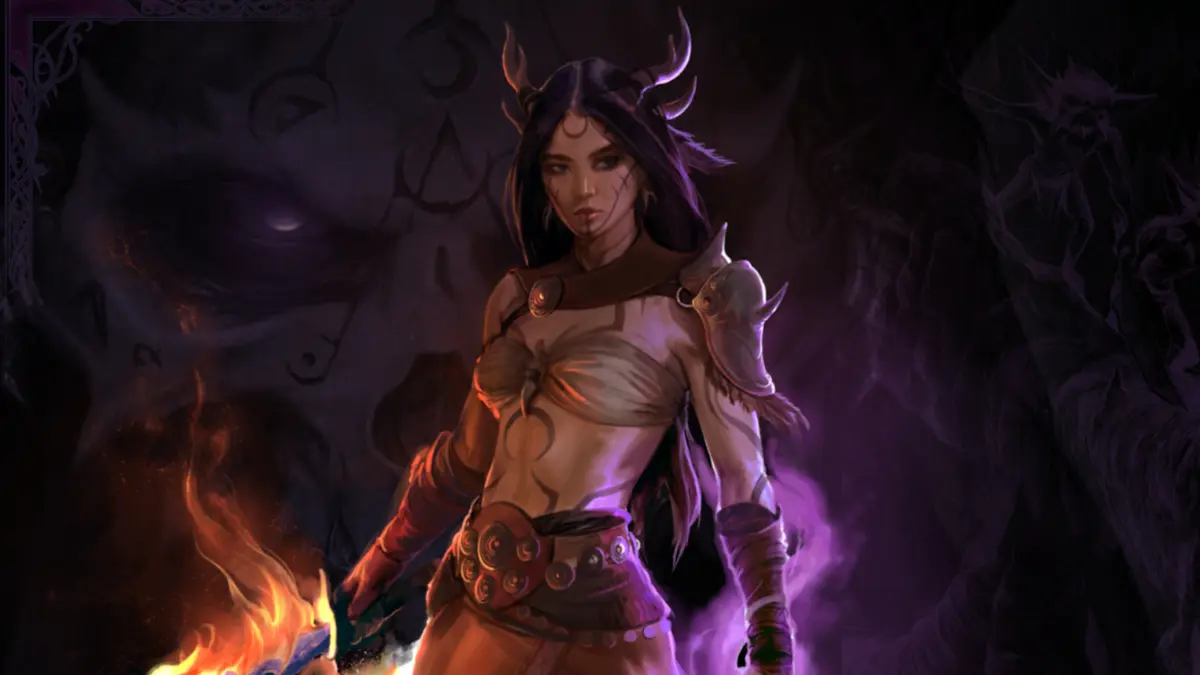
Darkhaven dropped a public demo during Steam Next Fest while running a Kickstarter campaign. The game bills itself as coming from “many of the original creators of Diablo and Diablo II” and showed off its core concept as an isometric action-RPG with destructible terrain.
The demo is explicitly pre-alpha. Players got access to basic combat, early itemization, and the game’s signature feature: terrain that breaks apart and can be manipulated during gameplay.
Moonbeast Productions is the studio behind Darkhaven. The team includes Erich Schaefer, one of the two main developers behind the original Diablo games alongside David Brevik. Philip Shenk served as lead character artist for Diablo II, and Peter Hu worked as a programmer on the same game.
Steam Next Fest is Valve’s recurring promotional event where upcoming games release limited-time demos to drive wishlists and awareness. Most demos arrive close to release as polished vertical slices. Darkhaven took a different approach by releasing something much earlier in development.
The build shows a standard isometric ARPG setup with click-to-move combat and loot drops. The terrain manipulation system lets players destroy environments and create platforms, though its practical gameplay purpose remains unclear in this early state.
Players describe the combat as clunky and lacking weight. The demo features limited skills and a survival system built around collecting crystals rather than health or mana regeneration. The dodge roll moves toward the cursor rather than the character’s facing direction.
The demo’s timing lines up directly with Darkhaven’s crowdfunding push. Public demos during high-traffic events like Next Fest can drive Kickstarter visibility and show potential backers that development is active.
The Diablo name carries weight
The ARPG genre has grown crowded since Diablo II‘s heyday. Path of Exile, Last Epoch, Grim Dawn, and Diablo IV itself have raised the bar for combat responsiveness, quality-of-life features, and endgame systems. Marketing on legacy credentials sets high expectations.
Games often lean on “from the creators of” pitches because new studios lack brand recognition. Referencing Diablo instantly communicates genre intent: dungeon crawling, loot chasing, and isometric combat. But past credits span many roles, and creative continuity matters most in director and lead design positions.

