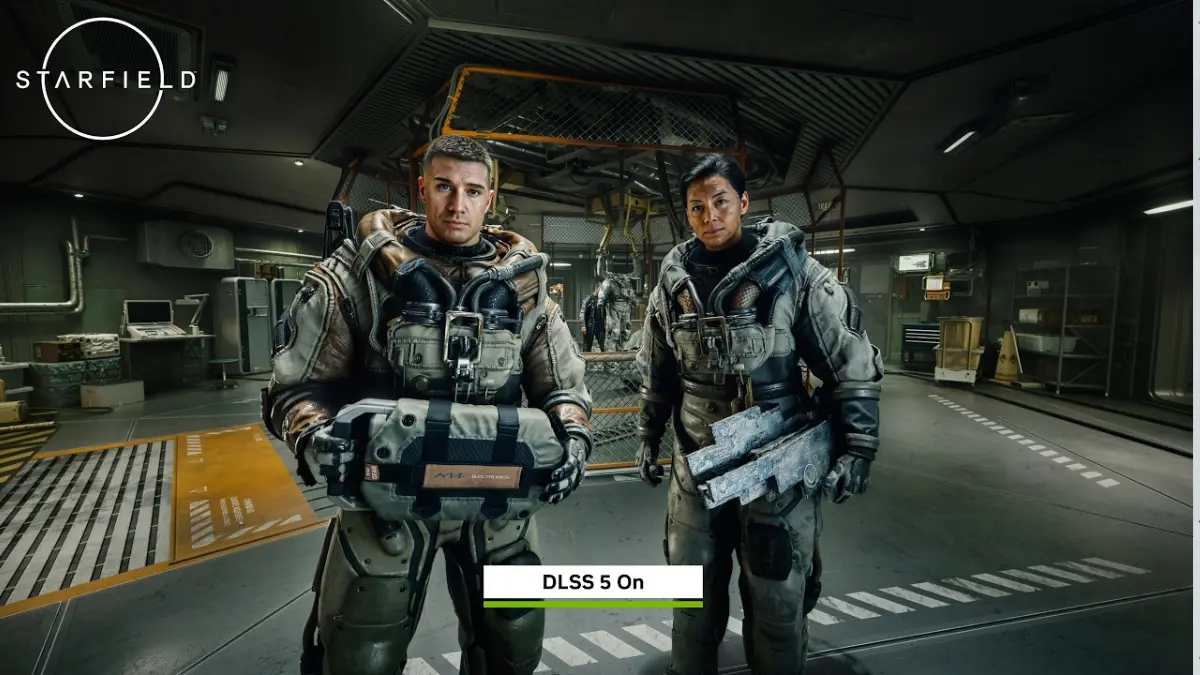
Developers and artists at major studios weren’t informed their companies’ games would appear in NVIDIA’s DLSS 5 announcement. Sources at both Ubisoft and Capcom told the outlet they found out when everyone else did.
“We found out at the same time as the public,” one Ubisoft developer told Insider Gaming.
The report specifically highlights Capcom as being caught off guard. Developers there were reportedly shocked to see the company associated with the showcase. That’s notable because Capcom has historically maintained a strict stance against generative AI in game development.
DLSS 5 represents NVIDIA’s latest version of its AI-assisted rendering technology. Unlike previous DLSS versions focused mainly on upscaling and performance, DLSS 5 uses what NVIDIA calls “neural rendering” to generate image details. NVIDIA CEO Jensen Huang has publicly positioned the tech as giving studios creative control, describing it as “content-control generative AI” rather than simple post-processing.
The disconnect appears to be between corporate-level approvals and production team awareness. Publishers likely signed off through their business development, legal, and marketing departments. But the people actually building the games weren’t briefed before the public showcase went live.
This matters because DLSS 5 doesn’t just boost framerates. It alters lighting, facial details, and overall visual presentation. Those are art direction decisions that studios typically guard carefully. When NVIDIA showcased footage suggesting “artists are in control,” it raises questions about which artists actually saw and approved the demonstrated results.
The situation points to a common pattern at big publishers. External partnerships and tech demos can get greenlit at the executive level while production teams remain in the dark. For companies like Capcom that have public stances on AI use, being featured in a generative AI showcase without internal communication creates potential messaging problems.

