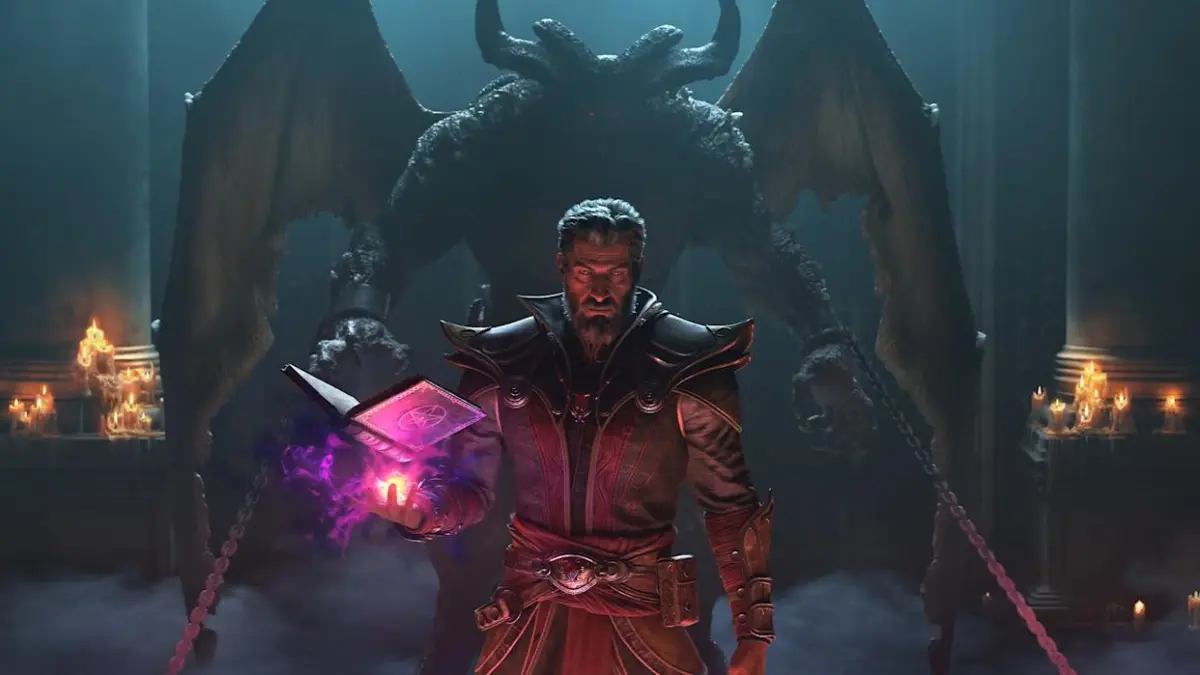
Blizzard has released Diablo II: Resurrected–Infernal Edition on Steam. The launch marks the first time the 2021 remaster has been available on Valve’s platform, though it comes with a significant catch for new and existing players.
The Infernal Edition includes a new playable class and multiple quality-of-life improvements. This content isn’t free. The add-on costs $25 (around $30–31 CAD), while a bundle with the base game runs approximately $40.
Players who already own Diablo II: Resurrected on Battle.net don’t get a free Steam copy. They also don’t get the new content for free. Anyone who wants the new class and features needs to purchase the paid add-on.
What’s behind the paywall
The new content package centers on an additional character class for the game’s seven existing classes. Beyond that, Blizzard has locked several quality-of-life features behind the purchase rather than patching them into the base game for everyone.
These features include expanded stash space, improved item management, and a loot filter. Players who checked their base game after the announcement confirmed these improvements don’t appear unless you buy the new edition.
The package also adds endgame content. This includes enhanced Terror Zones and new endgame encounters, bringing Diablo II: Resurrected closer to modern action-RPG standards set by games like Path of Exile and Diablo III.
The Battle.net requirement
Despite launching on Steam, the game still requires a Battle.net account. Players must link their Steam and Blizzard accounts to play.
There’s confusion about whether the Battle.net desktop app is mandatory. Some players report launching the game without the app installed, while others say it’s required. What’s confirmed is that account authentication is necessary.
The game supports offline play for local characters, but with limitations. Players need to authenticate online at least once every 30 days to maintain offline access. Miss that window and you’ll need to reconnect before playing offline again.
Steam Cloud saves aren’t supported. Character data stays tied to Battle.net’s systems, which could complicate switching between devices.
Why Steam matters now
The Steam release targets Steam Deck users specifically. Running Blizzard games on the handheld previously required installing Steam through compatibility layers, which added friction.
Steam availability simplifies the process, though the Battle.net authentication requirement means it’s not entirely seamless. Controller support is strong, with the usual caveats about precision targeting and inventory management on gamepad controls.
Some early adopters report the Steam version performs differently than the Battle.net version when tested on Steam Deck, with longer load times and potential build differences. These reports remain anecdotal.
No cross-buy, no exceptions
Blizzard hasn’t offered existing owners any upgrade path or discount. Battle.net players who want to play on Steam need to rebuy the game entirely.
The pricing structure on Steam also limits options. Players can’t purchase the new DLC separately as a standalone add-on. The content only comes bundled with the Infernal Edition package, likely because this is treated as the game’s Steam debut rather than an expansion for an existing Steam title.
The update may also break existing mods, as significant patches typically affect community modifications that rely on specific game versions.
A remaster getting the expansion treatment
Diablo II originally launched in 2000, with its legendary expansion Lord of Destruction arriving in 2001. That expansion added the Assassin and Druid classes and is still considered essential to the Diablo II experience.
Diablo II: Resurrected came out in 2021 as a visual overhaul of the classic game. For Blizzard to release new paid content for a remaster five years later is unusual, though not unprecedented. Games like Age of Empires II: Definitive Edition have received new expansions decades after their original release.

