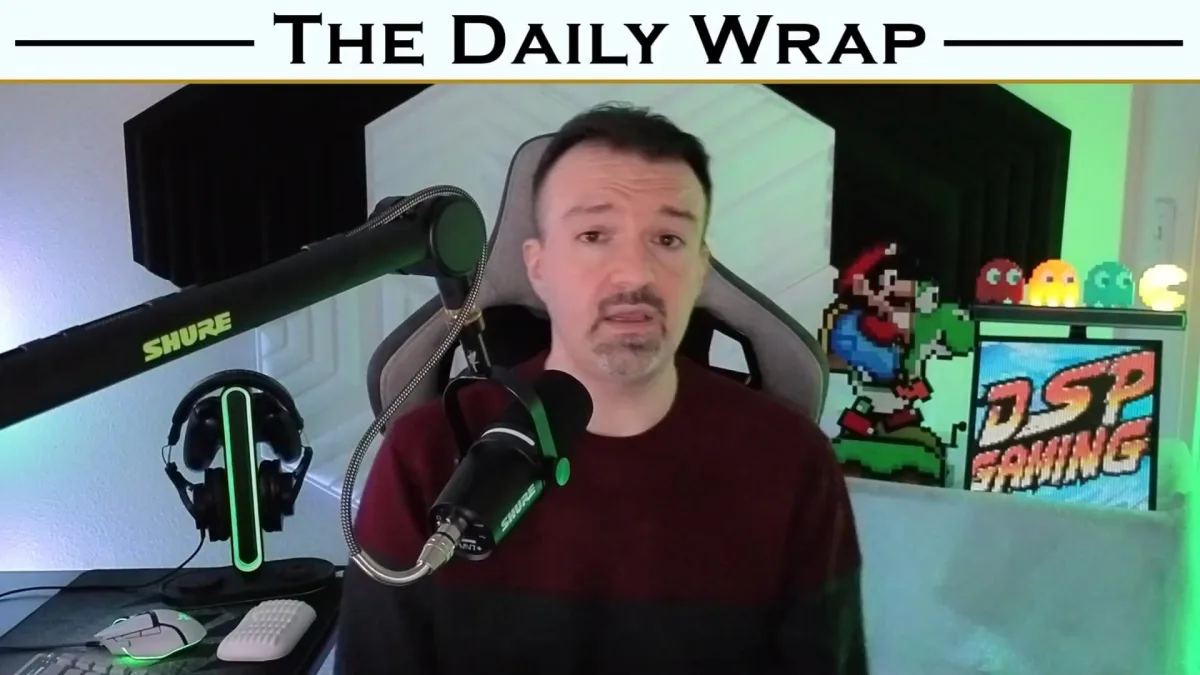
Phil “DSPGaming” Burnell had some thoughts about his earnings after a recent Call of Duty stream. The longtime content creator told his audience he received roughly $20 in viewer support during a three-hour session with the franchise.
“I only got, like… $20 of support. That’s not an exaggeration,” Burnell said during the broadcast. He framed the comment as a performance check rather than a thank-you to viewers who contributed.
The remark carried an implication. Burnell suggested the low earnings could factor into whether he continues streaming Call of Duty going forward. For creators who treat streaming as their primary income, game selection directly impacts revenue through donations, subscriptions, and ad performance.
DSPGaming rose to prominence in the late 2000s and early 2010s as an early-era gaming YouTuber. He’s maintained an active streaming presence across platforms ever since, building a business model on viewer contributions and ad revenue. His approach to monetization has drawn attention before, with clips of his financial commentary circulating regularly in gaming communities.
The business of streaming
Game choice matters for mid-tier creators trying to maximize earnings. Popular titles can drive higher viewership and engagement, which translates to better algorithmic promotion and more earning opportunities. A game that performs poorly can mean lower concurrent viewers and less interaction from audiences who might otherwise donate.
Burnell’s use of “support” rather than “donations” follows a common pattern among streamers. The terminology softens the transactional nature of viewer contributions, framing them as community backing rather than direct payment for entertainment. Whether that distinction matters to audiences varies.

