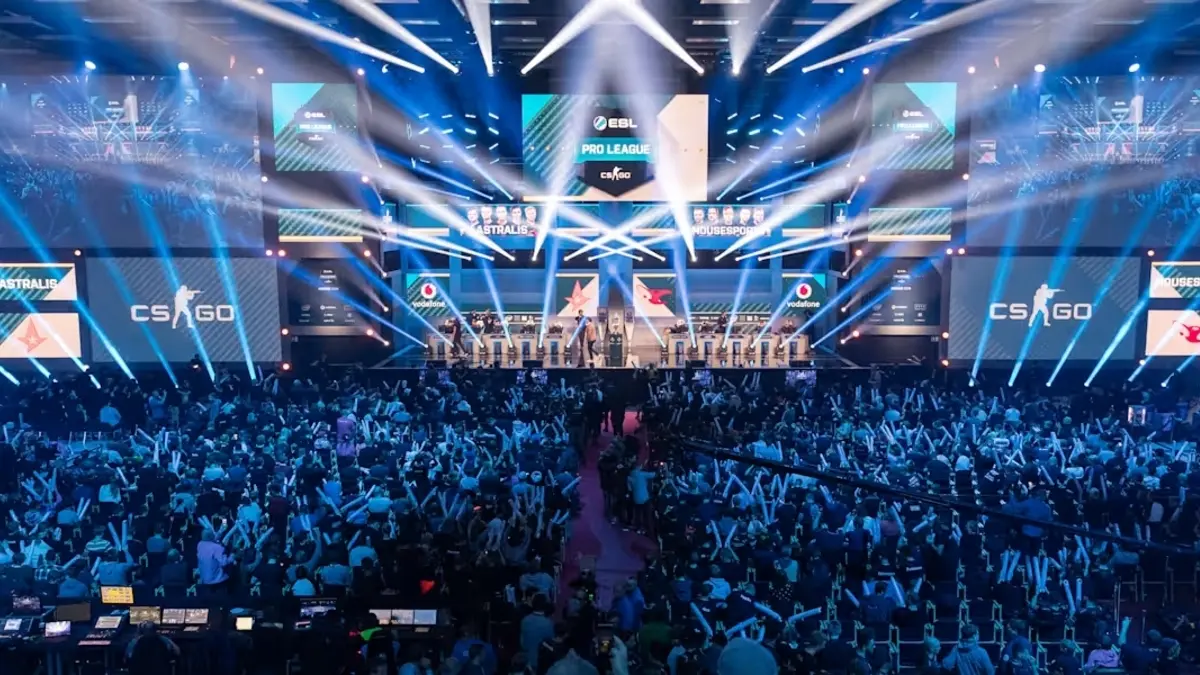
ESL has introduced updated co-streaming guidelines for Counter-Strike 2 and Dota 2 events that significantly restrict how creators can rebroadcast official tournament feeds.
The new rules require co-streamers to keep the official broadcast visible and audible at all times. According to the guidelines, “ESL broadcast audio must remain audible at a reasonable volume” throughout the stream. Co-streamers can no longer cut away to other content during breaks, desk segments, or interviews.
The practical effect is clear. Creators who previously filled downtime between matches with their own gameplay or alternative content must now maintain the official feed continuously. This keeps sponsor segments, ad reads, and branded desk shows visible to co-stream audiences.
The change protects ESL’s monetization model. Tournament organizers sell sponsorship packages based on guaranteed screen time and impression counts. When co-streamers switch scenes during breaks, those sponsor deliverables lose value.
Esports host Sjokz publicly endorsed the approach, arguing it should become the industry standard for co-streaming across all titles. Her comments kicked off conversation about whether Riot Games should adopt similar restrictions for League of Legends broadcasts.
The rights question
Co-streaming arrangements vary dramatically by region and title. In some markets, creators pay substantial fees for broadcast rights. Brazilian streamer Gaules has historically secured exclusive arrangements for certain tournaments, preventing other Portuguese-language co-streams unless he grants permission.
The ESL policy represents a middle ground. Instead of requiring payment for rights, the organizer grants free access in exchange for stricter presentation requirements. Co-streamers get to use the official feed but must carry it properly.

