Most “highest-paid gaming CEO” lists mix salaries with eye-popping stock awards, ignore regional disclosure rules, or compare different fiscal years.
Below we standardize the latest 2024–2025 disclosures for the world’s biggest public game makers and explain how US, European, and Korean reporting differs. We also flag where numbers are not disclosed—and why.
How exactly did we make our list? Our methodology started with updating 2024–2025 filings. Non-USD figures converted at rounded rates to make comparisons easier. The total compensation is what each filing’s Summary Compensation Table (or local equivalen) reports for the CEO for that fiscal year: salary + bonus + equity grant fair value + misc. add-ons.
10. Shuntaro Furukawa (Nintendo)
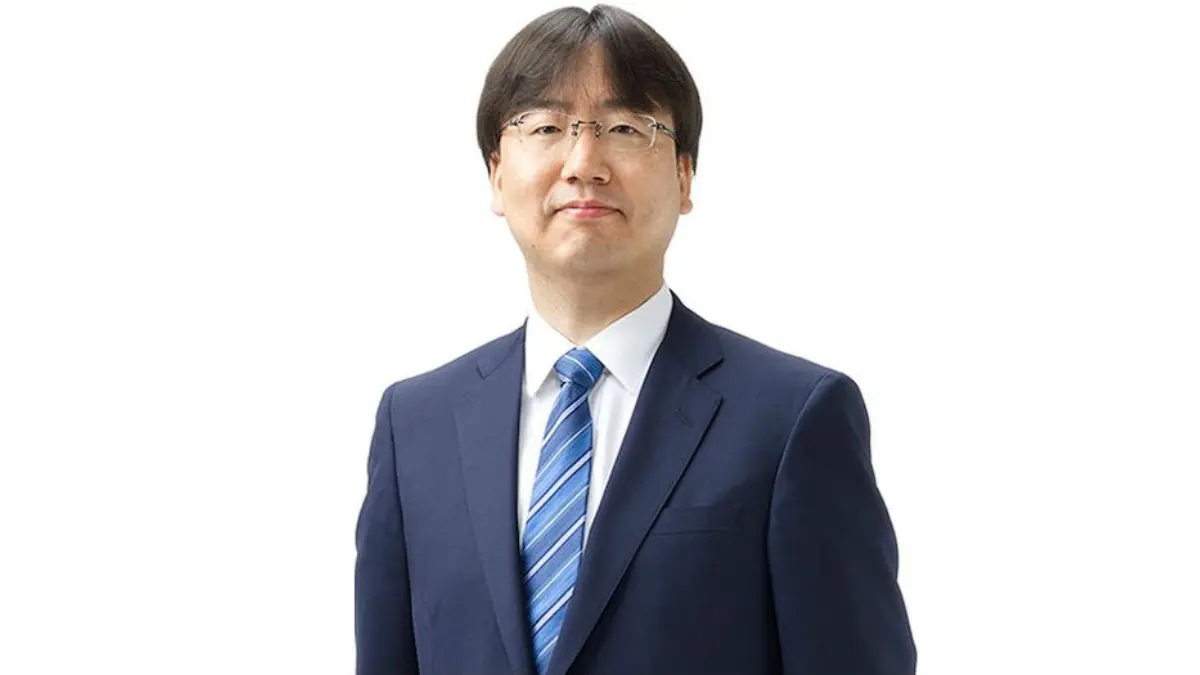
- CEO since: June 2018
- Total compensation: $1.75m
Shuntaro Furukawa, who became the President of Nintendo in 2018, is known for his modest compensation compared to other industry leaders. He even halved his salary to prevent layoffs. In 2021, Furukawa’s total compensation was reported to be around $2.4 million.
While still a significant sum, it pales in comparison to the multi-million dollar packages seen elsewhere in the industry. Furukawa’s leadership is a commitment to fostering innovation and stability at Nintendo, and—oh yeah—making some of the most iconic games ever made. Furukawa rarely appears in public.
9. Yves Guillemot (Ubisoft)
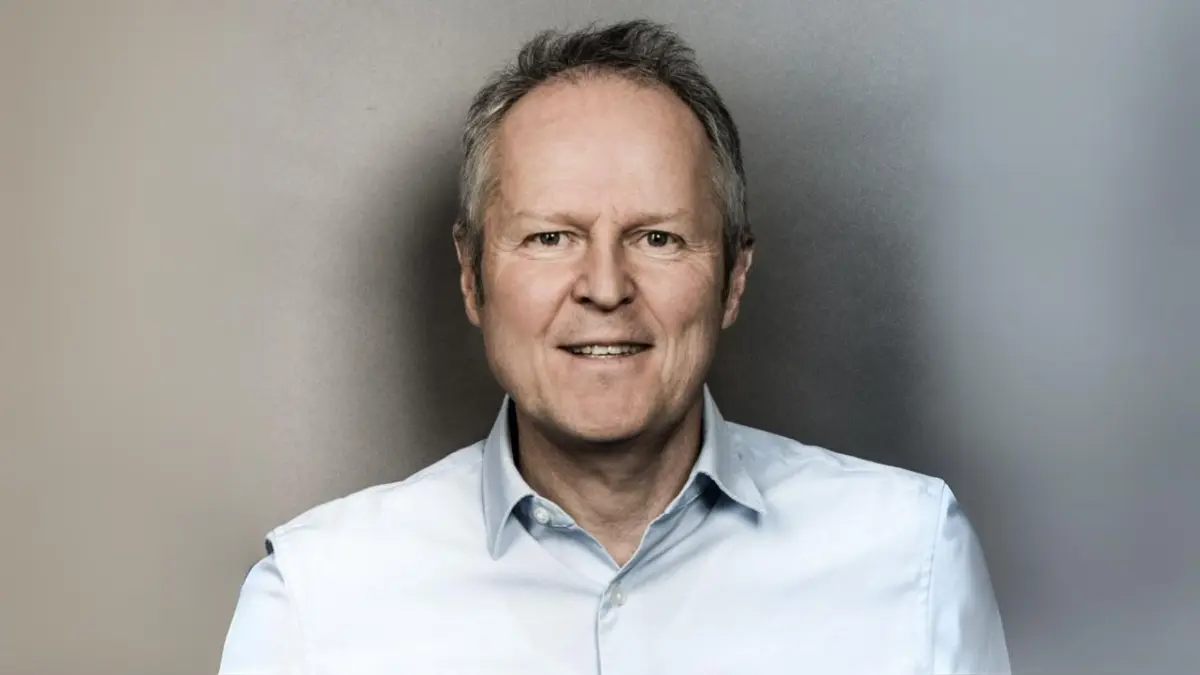
- CEO since: 1988
- Total compensation: $1.95m
Guillemot co-founded Ubisoft in 1986 and took the reins as CEO two years later. Following the company’s highly experimental first decade, he’s been steering it increasingly in the direction of big, system-heavy franchises that could live for decades: Assassin’s Creed, Far Cry, Rainbow Six, Just Dance, and the like.
Things haven’t been working out as of late, though, with Ubisoft stock currently down 87% since the pandemic boom five years ago. In response, Guillemot is now looking to tighten execution, pushing for leaner operations and doubling down on the company’s most profitable plays: games that are open-world, live-service, or both.
On pay, the latest confirmed numbers show approximately €1.8 million paid to Guillemot over the fiscal year ended in March 2024. His salary accounted for around €600,000 of that figure, a 2.5% increase from a year earlier. The rest came from bonuses tied to various policy targets and long-term plans laid out by Ubisoft’s board of directors.
8. Kenzo Tsujimoto (Capcom)
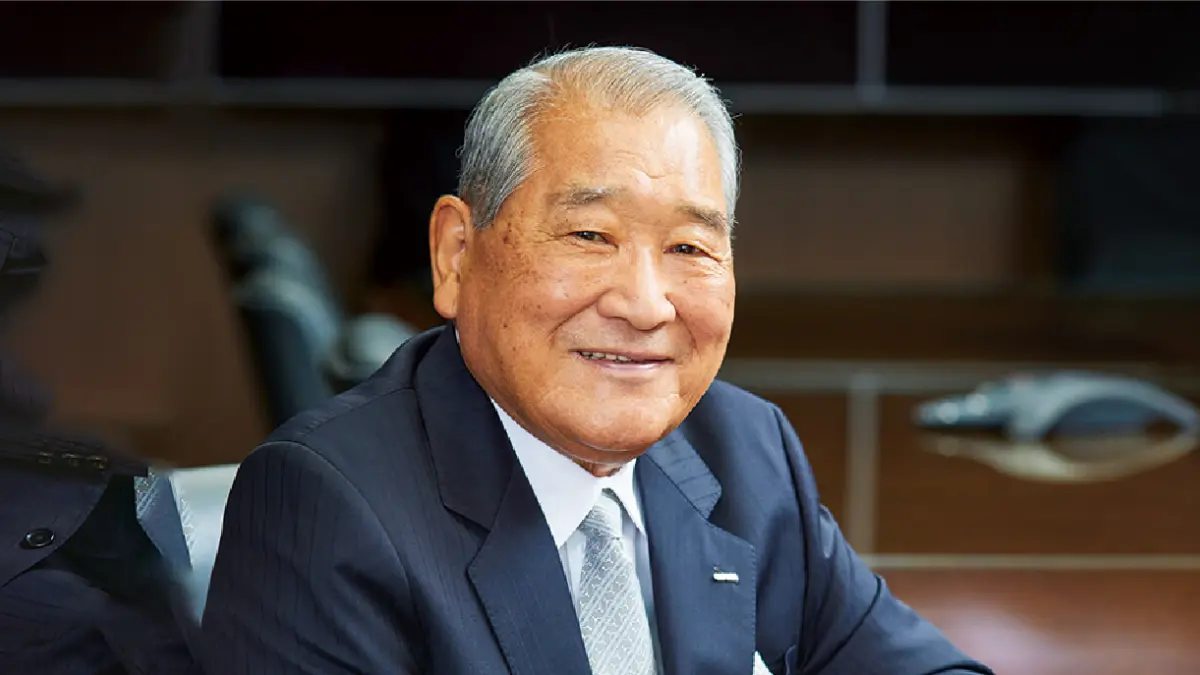
- CEO since: 2001
- Total compensation: $2.27m
Capcom’s founder has been running the show in title if not spirit since the arcade era, formally stepping in as Chairman and CEO in 2001. His calling card is patience: set a simple target, keep operating income growing double-digits, and compound it year after year.
So far, Tsujimoto has kept delivering. Capcom logged record-high net sales and profit for the eighth straight year during the 12-month period ending March 31, 2025. Operating income was up ~15% and the company reported a record-high of 51.87 million game sales. That’s also the tenth consecutive year of 10%+ operating-income growth, a recurring theme of Tsujimoto’s tenure.
On pay, the latest figures peg his total annual compensation at around ¥340 million (~$2.3m). Style-wise, Tsujimoto is a dividend-and-discipline operator who prefers durable franchises, digital sales, and steady stock buybacks over splashy mergers and acquisitions.
7. Taek-Jin Kim (NCSoft)

- CEO since: 1997
- Total compensation: $2.76m
Taek-Jin Kim, Korea’s 32nd richest man, founded NCsoft in 1997. The company is renowned for its MMORPGs, including Lineage and Guild Wars. Under Kim’s leadership, NCsoft has become a major force in online gaming, especially in South Korea. His long-term vision and commitment to the company have been key factors in its success over nearly three decades.
Kim was the highest-paid executive in Korea in the first half of 2021, highlighting his significant influence and success not only in the industry, but the entire country.
6. Junghun Lee (Nexon)
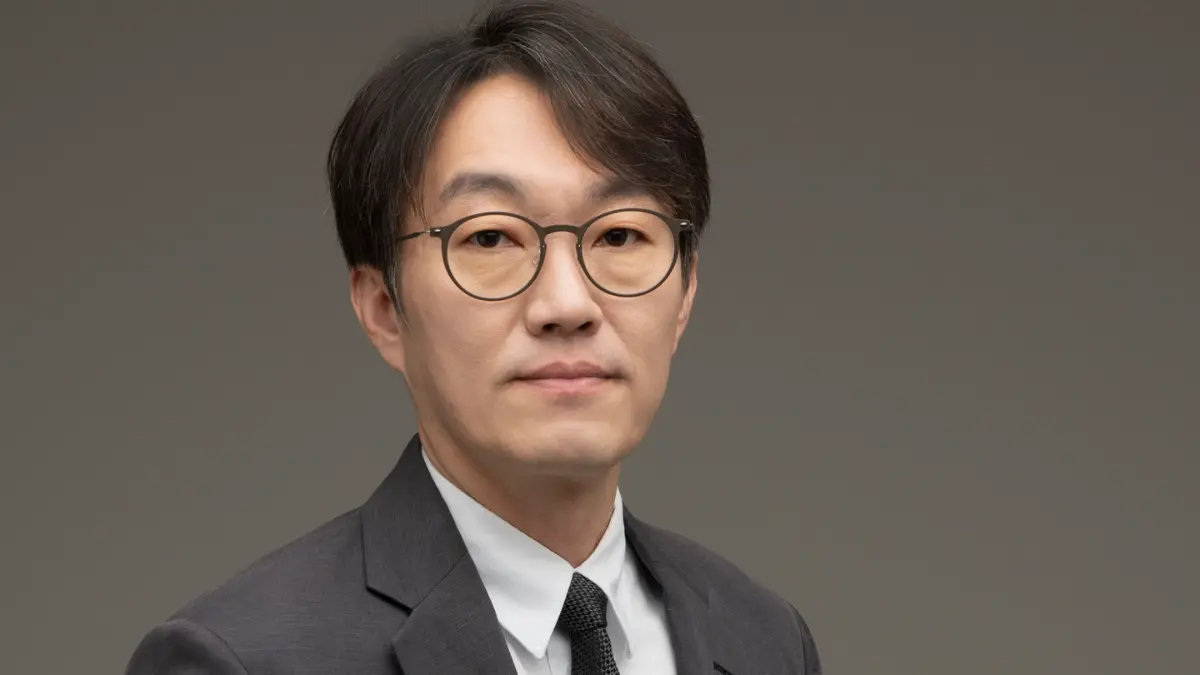
- CEO since: March 2024
- Total compensation: $3.93m
Lee became Nexon CEO and President in March 2024 after years of running the company’s South Korean branch, where he built his reputation in live operations across long-running franchises like Dungeon & Fighter. In other words, he delivered and got elevated to see if he could deliver again on a bigger stage.
So far, he’s been doing just that: Q1 2025 revenue rose 5% YoY and operating income 43% YoY. The improvement was largely driven by Dungeon & Fighter, MapleStory, and launches like Mabinogi Mobile—which already has a lot of momentum and is going global in 2026.
For FY2024, Nexon reported Lee’s compensation package as valued at ¥590 million (~$3.93m). That included base pay of ¥59m from the parent company, ¥43m from subsidiaries, and the rest in performance bonuses paid out as equity.
5. Chang-han Kim (Krafton)
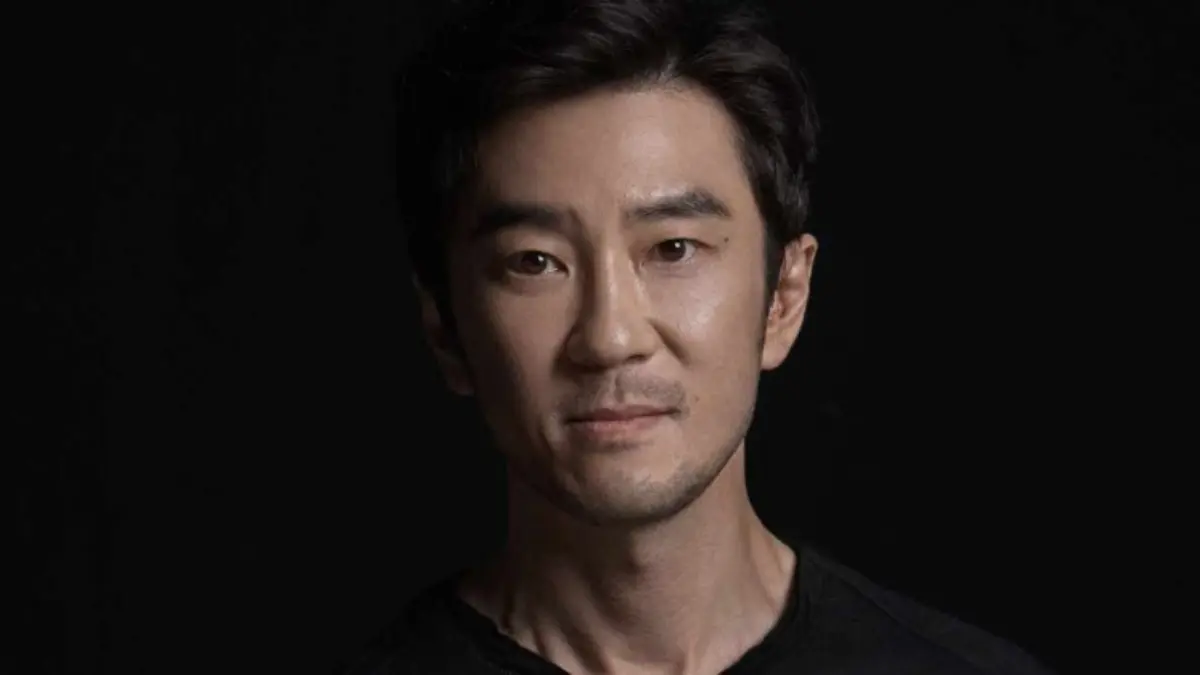
- CEO since: June 2020
- Total compensation: $4.56m
Often called the “father of PUBG,” Kim moved from running PUBG Corporation (2017–2020) to the top job at South Korean publisher Krafton in June 2020.
For 2024, Krafton’s business report shows he earned ₩5.93 billion in total compensation (~$4.56M). The figure includes a salary equivalent of around $388,000, with the rest being performance bonuses, reflecting a record year for the company.
Kim’s strategy playbook mixes technical depth with pragmatism: protect the crown jewel, trim distractions, then buy or build where Krafton can add real value.
Under Kim, Krafton doubled down on durable live-service economics. Switching PUBG: Battlegrounds to a free-to-play game in Q1 2022 drove a 61% jump in PC sales that quarter, and the publisher has been posting record revenue every year ever since.
Like most gaming companies, Krafton deflated in the immediate post-pandemic era. But Kim’s leadership helped it achieve what few of its rivals did: return to its 2020/21 level, and then convincingly surpass it by 2025.
As the company keeps posting record revenues, Kim is also pushing for diversification, as underlined by the acquisitions of Hi-Fi Rush maker Tango Gameworks and Subnautica developer Unknown Worlds. Though the Subnautica bet has gotten a bit messy, the next series entry still has the potential to be a heavy hitter.
4. Adam Foroughi (AppLovin)
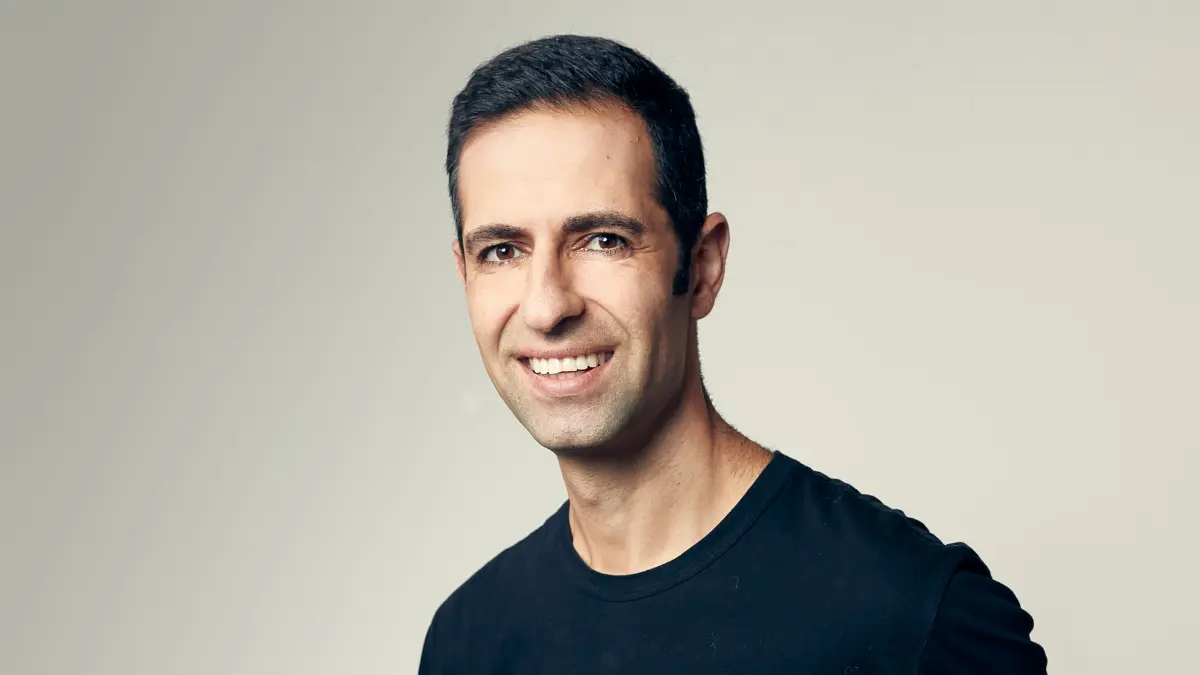
- CEO since: 2012
- Total compensation: $11.2m
Foroughi has run AppLovin since co-founding it in 2012, steering the ad-tech firm from mobile gaming roots to a broader, AI-driven advertising platform for games and other apps alike.
His total compensation in FY2024 was around $11.2 million, with a $400,000 base salary and the rest mostly equity. The prior year was an outlier, seeing him awarded roughly $83.4 million on large stock grants. As with most CEOs, his performance swings depending on how well he hits performance targets.
Strategically, he’s been aggressive: AppLovin bought MoPub from Twitter for $1.05 billion in January 2022 and integrated it into its own MAX ad bidding software, after acquiring Adjust to improve its marketing measurement tech the year before.
Foroughi even tried buying Unity for $17.5 billion in 2022. After getting rejected, AppLovin doubled down on its own stack, rolling out the AXON 2.0 ad engine in 2023 that powered a big stock surge in late 2024.
3. Andrew Wilson (Electronic Arts)

- CEO since: September 2013
- Total compensation: $30.5m
Andrew Wilson joined EA in 2000 and became CEO in 2013. Under his leadership, EA has continued to dominate with popular franchises like FIFA, Madden NFL, and The Sims.
Wilson started his career at EA in Asia and Europe before joining EA Sports as an Executive Producer for the FIFA franchise. This role helped him gain recognition and paved the way for his eventual promotion to CEO. An interesting fact about Wilson is his passion for Brazilian Jiu Jitsu, where he holds a brown belt.
Despite the company doing well financially, Wilson’s high earnings have caused controversy, especially with the recent layoffs at EA. In early 2023, EA laid off approximately 800 employees, followed by an additional 670 in February 2024. These decisions have sparked criticism, particularly as Wilson and other executives continued to receive compensation in the tens of millions.
Wilson has also emphasized the potential of generative AI to enhance EA’s efficiency, suggesting that up to 60% of operations could be automated in future. The emphasis on AI matches his vision for the company, which aims to stay ahead in the gaming industry through innovation.
2. Matthew Bromberg (Unity)
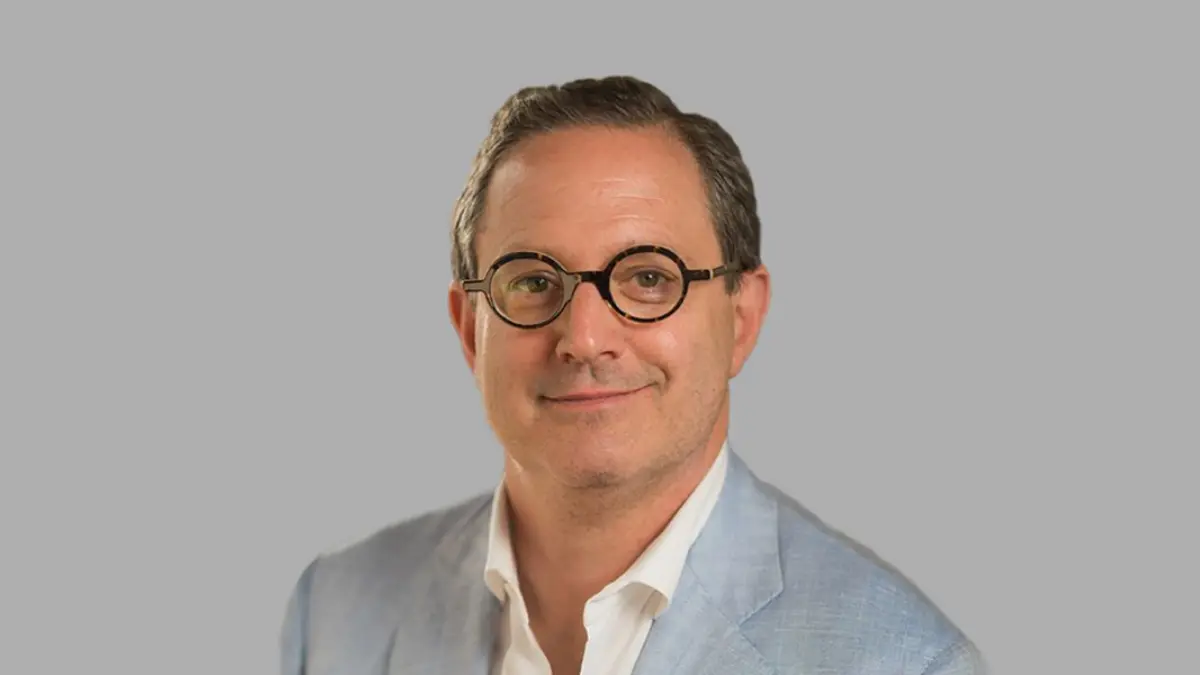
- CEO since: May 2024
- Total compensation: $52.1m
Bromberg took the helm of Unity on May 15, 2024, after stints as Zynga’s COO and senior leadership roles at EA, including running BioWare.
His first year centered on repairing developer relations after Unity’s engine-runtime-fee backlash and streamlining the company’s sprawling portfolio. In February 2025, Bromberg told staff in a memo that Unity would restructure and cut roles to focus execution. He’s since emphasized ending the company’s “war with its customers” and building a more disciplined, engine-first product strategy.
Bromberg was richly rewarded for his efforts. Unity’s 2025 proxy shows 2024 total compensation of ~$52.15 million, overwhelmingly in equity and options. Bromberg’s offer letter set $850,000 base pay, a $2 million sign-on bonus, and large time- and performance-vesting equity grants covering options for up to 1 million shares.
1. Robert Antokol (Playtika)

- CEO since: 2010
- Total compensation: $84.1m
Robert Antokol co-founded Playtika in 2010 with Uri Shahak, the son of former Israeli Chief of Staff Amnon Lipkin-Shahak. Playtika is an Israeli company that focuses on creating and publishing mobile games like Slotomania and World Series of Poker.
In May 2011, the Caesars Entertainment Corporation acquired the company, but Antokol remained CEO and Playtika continued operating independently within Caesars. In July 2016, Playtika was acquired by a Chinese consortium for $4.4b, further fueling its growth.
Antokol’s compensation package is predominantly performance-based, and based on Playtika’s financial success. His management style emphasizes strategic growth and aggressive monetization, which has surely contributed to Playtika’s success and market expansion.
Why Gaming CEOs earn so much
CEOs like Matthew Bromberg might earn hundreds of millions per year, but Unity doesn’t deposit that entire amount into his bank account annually.
These industry leaders achieve their high earnings through a combination of income stream—from base salaries, to performance bonuses, and stock options. Often, these packages are tied to the company’s financial success, motivating CEOs to drive profitability and growth.
With gaming CEOs earning enormous salaries, it’s worth exploring why they command such high compensation. These executives are not only responsible for steering their companies through highly competitive and rapidly changing markets, but also for making pivotal decisions that impact the financial health and direction of the company. A gaming CEO’s pay is often based on their ability to attract investors, increase revenue, and stay ahead in the market.
High CEO pay is also justified by the level of risk and accountability they carry. Executives are the face of their companies and bear the brunt of public and shareholder scrutiny. They make high-stakes decisions that can either make or break the company’s future.
However, not all CEOs in the gaming industry draw exorbitant salaries. In fact, some even prioritize the well-being of their employees and the long-term health of their companies over personal gain.
One example for a gaming CEO with a modest salary is Hidetaka Miyazaki, is the visionary behind the popular Dark Souls series and Elden Ring. Miyazaki’s compensation is not publicly disclosed, but it’s well-known that FromSoftware operates on a different scale compared to gaming giants like Activision.
The studio is loyal to their employees and fosters growth from within. Miyazaki leads FromSoftware with a passion for making innovative games and supporting his team’s creativity, not for personal profit.
Who’s missing and why
Some high-profile gaming bosses don’t have public, line-item pay.
Microsoft Gaming CEO Phil Spencer is missing, because Microsoft only discloses pay for its Named Executive Officers (NEOs) in its annual proxy. Division heads like the Xbox chief are not routinely NEOs, so their compensation typically isn’t itemized in the filing. However, he likely earns a pretty penny.
PlayStation executives are also missing, because Sony Group’s disclosures focus on group-level NEOs, not SIE separately, so equivalent executive salary numbers aren’t published.
If you’re thinking “didn’t some gaming CEOs make way more than this?,” you’re not wrong—just not this year. The biggest stories often come from one-time events: a new comp package, a turnaround grant, or an acquisition payout.
Below, we highlight a few of those past peaks, beginning with Bobby Kotick, and clarify what was salary, what was stock, and what was deal-driven.
Bobby Kotick (Ex-Activision Blizzard)

- CEO tenure: 1991-2023
- Base salary: $875,000
- Total compensation: $375m
Robert “Bobby” Kotick has led Activision since 1991, overseeing its transformation into a global gaming giant with franchises like Call of Duty and World of Warcraft.
Despite the company’s success, Kotick’s earnings have raised eyebrows for being excessively high relative to the company’s overall performance, especially when compared to the wages of its typical employees.
In 2020, he earned a significant portion of his $155 million compensation by meeting long-term goals, including doubling Activision’s market capitalization.
Activision Blizzard earned $8.09 billion in 2020 but Kotick’s compensation seems excessively high. A typical employee at the studio receives only 0.3% of what Kotick takes home in a year.
Despite his successes, Kotick has faced significant criticism publicly, following allegations of sexual misconduct and mishandling workplace harassment issues. Following an internal investigation, Kotick was removed from the board of directors on December 29, 2023.
Although he was no longer a part of Activision Blizzard, as part of his contract, Kotick received a final severance package worth $375m.
Strauss Zelnick (Take-Two Interactive)
- CEO since 2007
- Base salary: $250,000
- Total compensation: $42m
Strauss Zelnick has been CEO of Take-Two Interactive since 2007, overseeing its growth into the major gaming powerhouse it is today. The company owns two major publishing labels, Rockstar Games and 2K, and operates many internal development studios.
Take-Two’s portfolio includes renowned franchises launched under Zelnick like BioShock, Borderlands, Grand Theft Auto, and Red Dead. The publisher is the second-largest publicly traded game company in the Americas and Europe, with a market cap of approximately $23 billion.
In 2023, Zelnick’s total compensation was $42m, primarily driven by substantial stock awards and performance bonuses. He is well-known for his intense fitness routine, which he credits for his high energy and productivity levels.
Zelnick has also helped to lead Take-Two through various growth phases. His strategic vision has been crucial in maintaining Take-Two’s competitive edge in the gaming industry for nearly two decades.
John Riccitiello (Ex-Unity)

- CEO tenure: 2014-2023
- Base salary: $380,000
- Total compensation: $27m
John Riccitiello joined Unity Technologies as CEO in 2014 and is a seasoned executive with a background at Electronic Arts. Unity is a leading platform for game development, offering tools for creating 2D and 3D games across various platforms including mobile, desktop, VR, and AR.
Unity’s engine powers a significant portion of the gaming industry, with more than 60% of top-grossing VR experiences on Steam and nearly 30% of the top 1,000 PC games are made with Unity.
Riccitiello’s leadership has seen Unity’s substantial growth and its successful transition to a publicly traded company in 2020. Last year, his total compensation was $27.1m, with a significant portion stemming from stock awards and bonuses. In October 2023 however, he was replaced by Jim Whitehurst.
Riccitiello has expanded Unity’s reach beyond gaming into sectors such as automotive, architecture, and film. Their real-time 3D technology is employed for creating digital twins, advanced simulations, and immersive experiences in these fields. Notably, companies like Volvo and Toyota use Unity’s technology in the automotive industry.
Andrew Paradise (Skillz)

- CEO since 2012
- Base salary: $525,000
- Total compensation: $26m
Andrew Paradise founded Skillz in 2012 and has led the company as CEO since its inception. Skillz is a mobile esports platform where players can compete for cash prizes in different games. It differentiates itself from other gaming companies by prioritizing competitive gameplay and offering real money rewards.
Under Paradise’s leadership, Skillz has grown rapidly, becoming a significant player in the mobile gaming market with popular titles like Solitaire Cube, 21 Blitz, and Blackout Bingo.
In 2023, Paradise’s total compensation was $26.4m. His pay is largely driven by equity awards, with $25.88m coming from stock options, and a relatively modest base salary of $525,000.
The CEO is know for his commitment to maintaining a high level of personal investment in the company. In April 2023, he purchased 1.5m shares of Skillz stock with his own money, demonstrating his confidence in the company’s future and boosting his personal equity stake.
Frank Gibeau (Zynga)

- CEO since 2016
- Base salary: $1m
- Total compensation: $12m
Frank Gibeau became CEO of Zynga in 2016 after a long career at Electronic Arts, serving as the executive vice president of EA Mobile for over 20 years. Thanks to his leadership, Zynga has rebounded, with successful acquisitions and the launch of games like CSR Racing 2 and Empires & Puzzles.
Gibeau has overseen Zynga’s transformation—part of which happened in January 2022, when Zynga was acquired by Take-Two Interactive in a cash and stock transaction valued at approximately $12.7b. This milestone marked a major step in the company’s growth and greatly boosted the company’s market cap.
In the years before, Gibeau strategically acquired studios like Peak Games and Gram Games, which brought in popular titles like Toon Blast and Merge Dragons. Under his guidance, Zynga has solidified its market presence by partnering with major brands like Game of Thrones, Harry Potter, and Star Wars.
In 2023, the CEO’s total compensation was approximately $12m with a base salary of $1m, and the rest from bonuses and stock awards.
Min-Liang Tan (Razer)
- CEO since 2005
- Base salary: unknown
- Total compensation: $10m
Min-Liang Tan co-founded Razer in 2005 alongside American gamer Robert Krakoff and has served as its CEO since. Razer has become a top brand in gaming hardware with its high-quality peripherals and laptops. The company’s emphasis on design and performance helped them become popular worldwide.
Razer went public in 2017, raising $721 million in its IPO and making Tan one of Singapore’s youngest self-made billionaires. As of 2023, Razer’s estimated market valuation is around $45b, contributing to Tan’s personal net worth of over $1.3b.
In 2023, Tan’s estimated total compensation was $10.4m. This figure includes his base salary and additional earnings from bonuses and stock options. Tan is known for his hands-on leadership style and his ability to foresee market trends, such as expanding Razer’s offerings into new areas like the Razer Phone.
