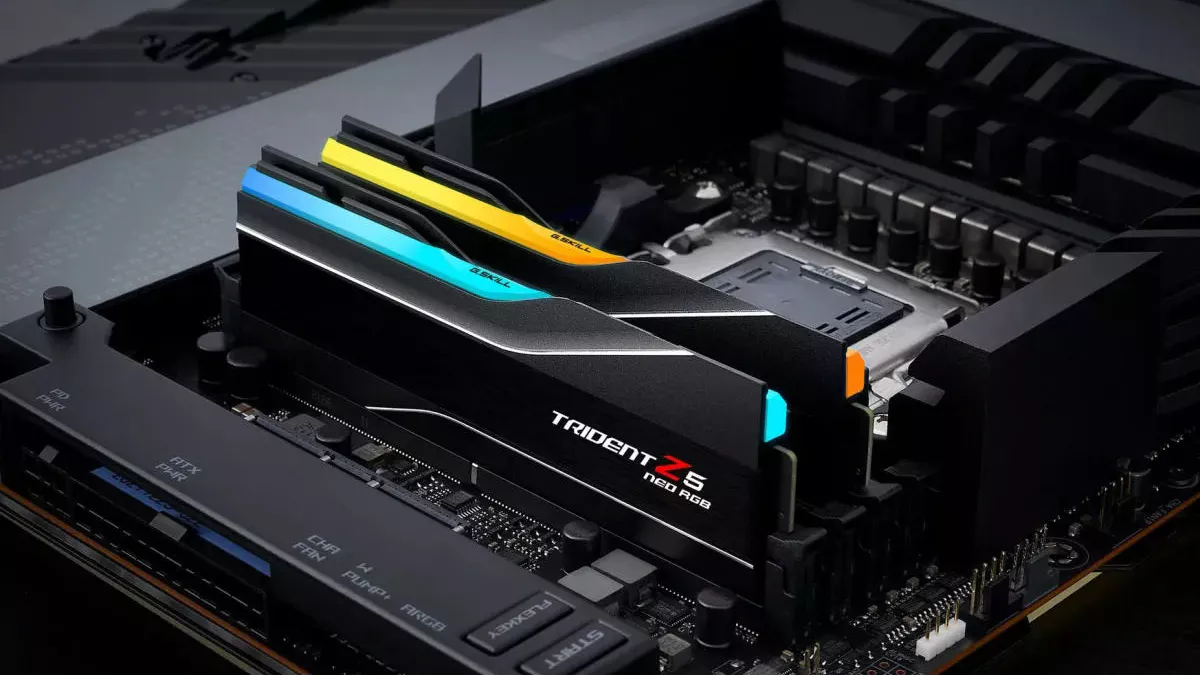
A PlayStation 5 costs less than 64GB of DDR5 memory right now. That sentence shouldn’t make sense, but it does.
PC builders have watched RAM prices explode over the past few weeks. DDR5 kits that sold for $120-250 earlier this year are now listed between $400 and over $1,000. DDR4 hasn’t escaped either.
European markets show the same pattern. A 32GB Corsair Vengeance DDR5 kit bought for €150 two months ago now sells for €430. ECC memory for home servers has spiked from £124 per 32GB stick to nearly £500.
The PlayStation 5 typically sells for $350-400 during holiday deals. That makes Sony’s console cheaper than most high-capacity RAM kits. It’s a complete 4K gaming machine with a controller and storage, competing on price with a single PC component.
AI data centers are driving the shortage. Tech companies are pouring trillions into AI infrastructure over the next decade. Those servers need massive amounts of memory.
Manufacturers like Samsung have shifted production away from standard DDR5 toward high-bandwidth memory for AI accelerators. HBM and specialized VRAM command higher profit margins. Consumer RAM production has been squeezed as a result.
Some manufacturers are also managing inventory strategically. They’re releasing just enough stock to meet demand while prices climb. This maximizes profit margins on existing supply.
PC builders are scrambling to adapt. Many are scaling back from planned 64GB builds to 32GB. Others are delaying platform upgrades entirely or sticking with older DDR4 systems. Prebuilt PCs with locked-in component pricing suddenly look more attractive.
AI causes DDR5 RAM shortages
The memory market has always been cyclical. Previous shortages hit during crypto mining booms when GPUs vanished from shelves. NAND flash makers have cut production during oversupply periods only to raise prices when demand returned.
This spike follows the same pattern but with AI as the driving force. Manufacturing capacity takes years to expand. Even if companies announce new fabs today, production won’t meaningfully increase until 2026 or beyond.
Console makers have some buffer through long-term supply contracts and strategic component sourcing. The PS5 uses GDDR6 memory and custom components, not standard DDR5. But if GDDR6 and NAND prices continue rising, consoles will eventually feel the pressure too.

