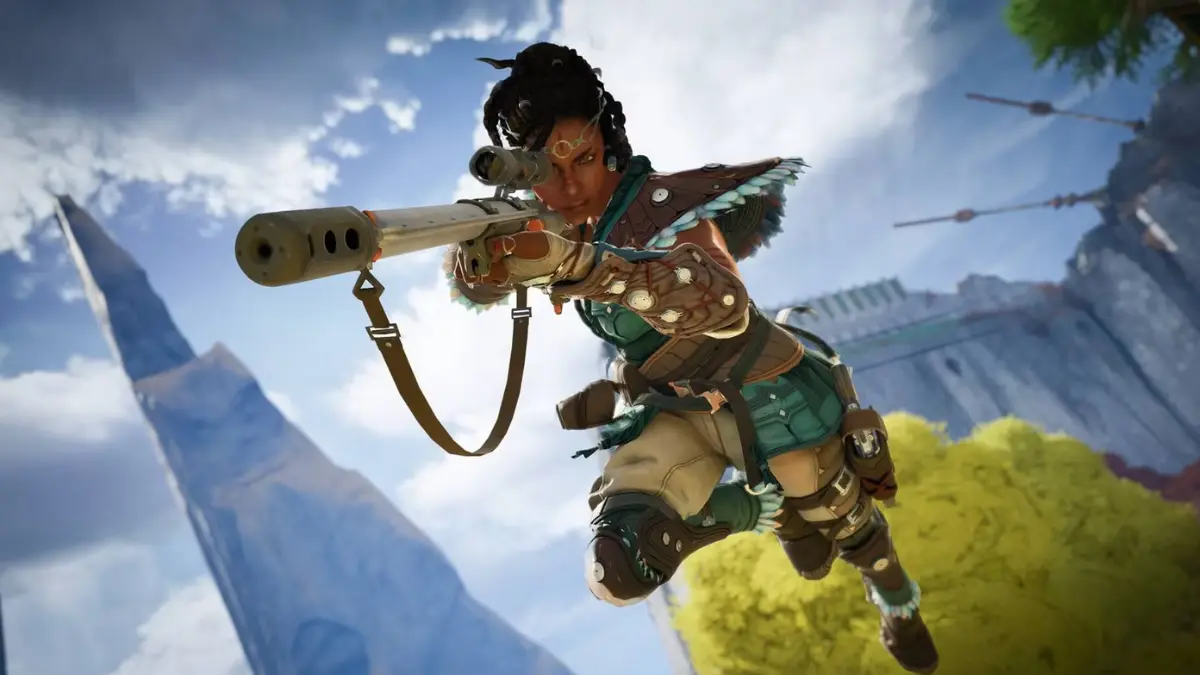
A former developer from the live-service shooter Highguard published a detailed post-mortem about the game’s reveal and launch. The write-up describes how landing the final announcement slot at The Game Awards turned into what one commenter called “the most monkey paw situation I have ever seen.”
The developer Josh Sobel claims the team became a joke immediately after the high-profile reveal. What should have been a dream marketing opportunity instead created a reputational problem before the game even launched.
Highguard released as a free-to-play multiplayer PvP game. It hit roughly 100,000 concurrent players on Steam near launch. That number represents a solid initial spike for a new F2P title.
But the player count collapsed within weeks. The game reportedly dropped to around 2,000 concurrent players. For a live-service game that depends on matchmaking and ongoing engagement, those numbers signal a critical failure.
The developer’s post highlights one specific figure: over 14,000 negative reviews from users with less than an hour of playtime. Many reviewers didn’t even finish the tutorial. The developer framed these as “review bombs.”
Players and commenters pushed back on that characterization. Multiple sources cite severe PC performance issues at launch. Technical problems that prevent players from running the game properly often result in fast negative reviews. One commenter responded: “Maybe just maybe your game has dogshit optimization.”
The game’s marketing strategy appears to have been a near-stealth release. After the Game Awards trailer, the studio went largely silent until close to launch. Players arrived unclear about basic details like the 3v3 format.
Launch-day issues extended beyond performance. Players reported a lack of progression systems, limited content variety, and unclear gameplay loops. The game featured multiple phases including looting and raiding elements, but the structure didn’t click with the audience.
Layoffs hit within two to three weeks of launch. The timing suggests the studio had minimal financial runway. For a live-service game, server costs and ongoing development require sustained player spending. When retention collapses that fast, studios often shift to maintenance mode or restructure entirely.
The crowded field problem
Highguard launched into a brutal competitive landscape. Hero shooters and PvP live-service games face established giants like Overwatch, Valorant, and Fortnite. New entries need either instant differentiation or flawless execution.
The Game Awards placement likely brought more eyes to the game than any other marketing could have achieved. But in the F2P model, initial curiosity means nothing without retention. Players tried it, encountered technical problems and unclear hooks, and left.

