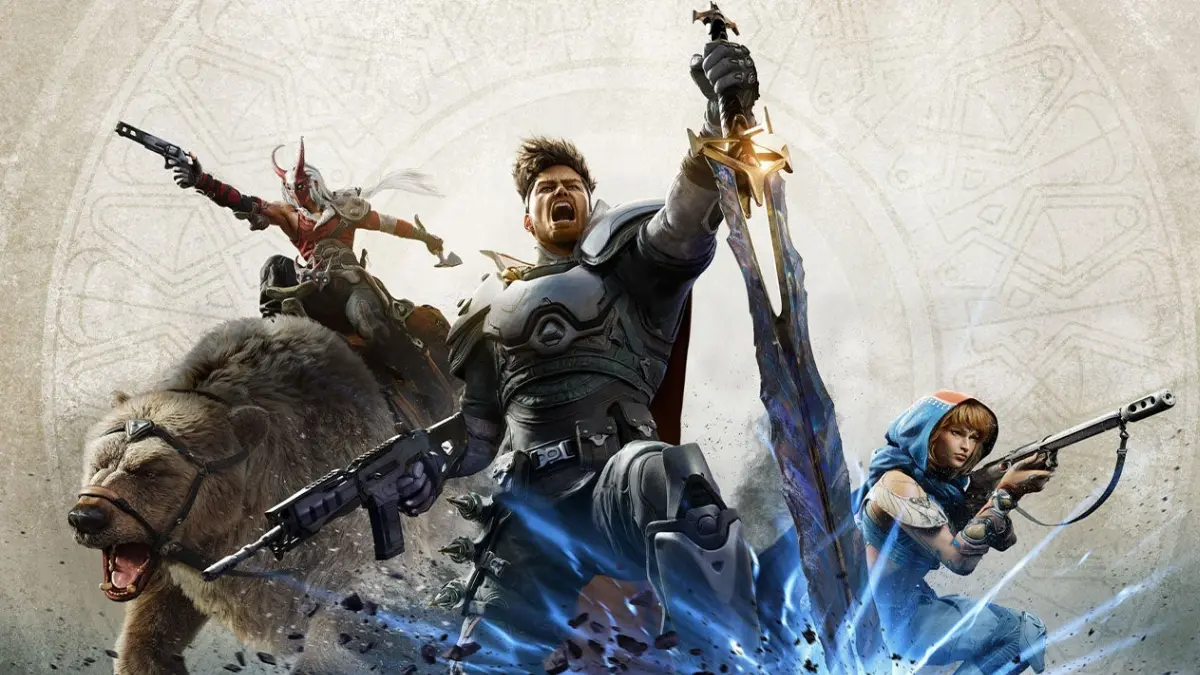
Wildlight Entertainment has confirmed layoffs at the studio behind Highguard, the free-to-play multiplayer shooter that launched earlier this year. The company announced it’s retaining a core development team to continue supporting the game.
“Today we made an incredibly difficult decision to part ways with a number of our team members while keeping a core group of developers to continue innovating on and supporting the game,” Wildlight said in a statement.
The studio did not disclose how many employees were affected or which departments saw cuts. Highguard‘s servers remain online and the game continues to receive support from the remaining team.
Highguard launched as a free-to-play live-service shooter after appearing prominently at The Game Awards. The game peaked at around 100,000 concurrent players on Steam shortly after release, according to tracking data from SteamDB. Within weeks, those numbers crashed to the low thousands.
The timing proved brutal. Highguard entered a crowded market alongside updates and releases from Overwatch, Deadlock, and Marvel Rivals. The game struggled to find its identity among competitors and retain its initial player base.
Wildlight recently launched Highguard‘s first battle pass as part of its monetization strategy. Live-service games require consistent player numbers and strong spending conversion to justify ongoing development costs. When those metrics fall short quickly, studios face hard choices.
The core team playbook
The “core team” model is standard industry language for transitioning from active expansion to maintenance mode. It typically means fewer new features, slower content updates, and a focus on keeping servers running and addressing critical issues. Roadmaps get scaled back significantly.
This pattern has repeated across the industry over the past few years. Studios scale up for production, ship their game, then reduce headcount when player retention or revenue doesn’t meet projections. The pressure intensifies for games that received major showcase exposure, since the big visibility moment has already passed.
Free-to-play shooters face particularly steep odds. They need large concurrent player bases, strong retention systems, and continuous content that costs serious money to produce. A sharp drop-off weeks after launch usually signals trouble that’s hard to reverse.

