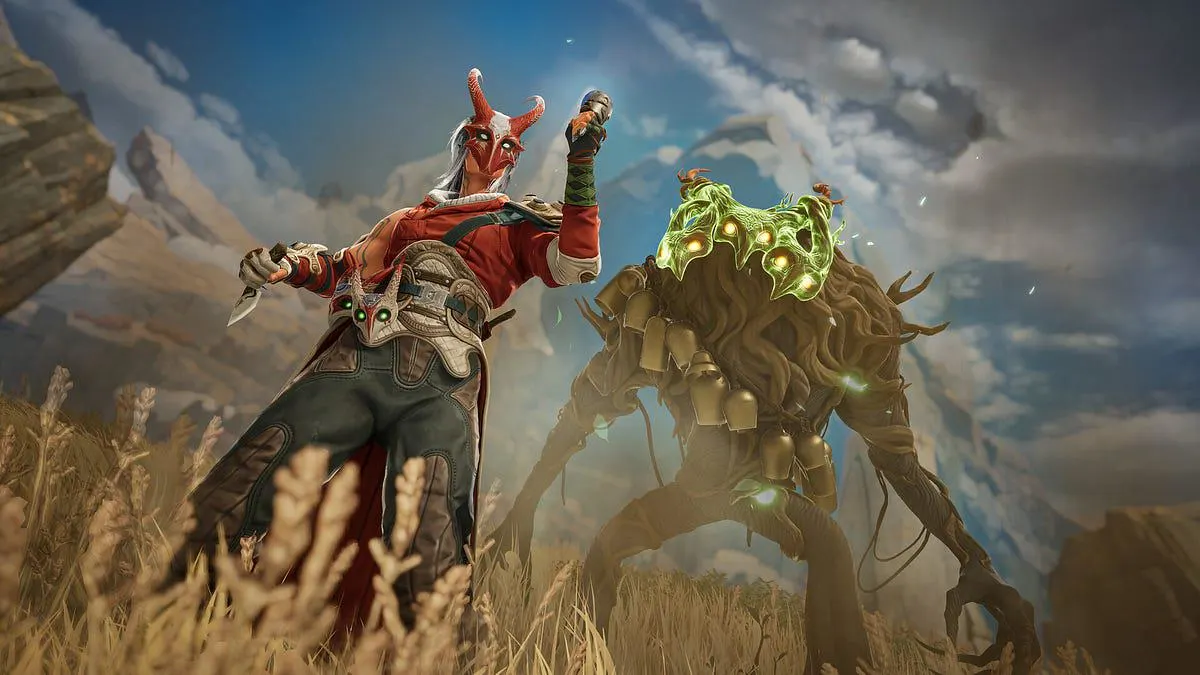
Games journalist Stephen Totilo reported that Tencent served as the lead financial backer for both Highguard and Wildlight Entertainment, despite this funding arrangement not being publicly disclosed during the game’s launch period.
The revelation matters because Tencent is one of the world’s largest gaming companies by revenue and investment reach. The Chinese tech giant owns Riot Games outright and holds significant stakes in dozens of major studios and publishers worldwide.
Highguard launched as a live-service game early this year with substantial production values and a sizable development team. The game secured a high-profile promotional appearance at The Game Awards, though it struggled with player retention following an initial surge of interest.
The undisclosed nature of Tencent’s backing raised questions about funding transparency in modern game development. When a project operates at the scale Highguard did, the source of capital becomes relevant for understanding its business model and post-launch support expectations.
Tencent’s investment approach in gaming typically involves providing development capital in exchange for revenue sharing, equity stakes, or regional publishing rights. The company often focuses on Chinese market distribution but frequently backs projects with global ambitions.
The funding structure also complicates discussions around independent development. Highguard was developed by what appeared to be a standalone studio, but operated with backing from a multinational corporation that ranks among the industry’s most powerful financial players.

