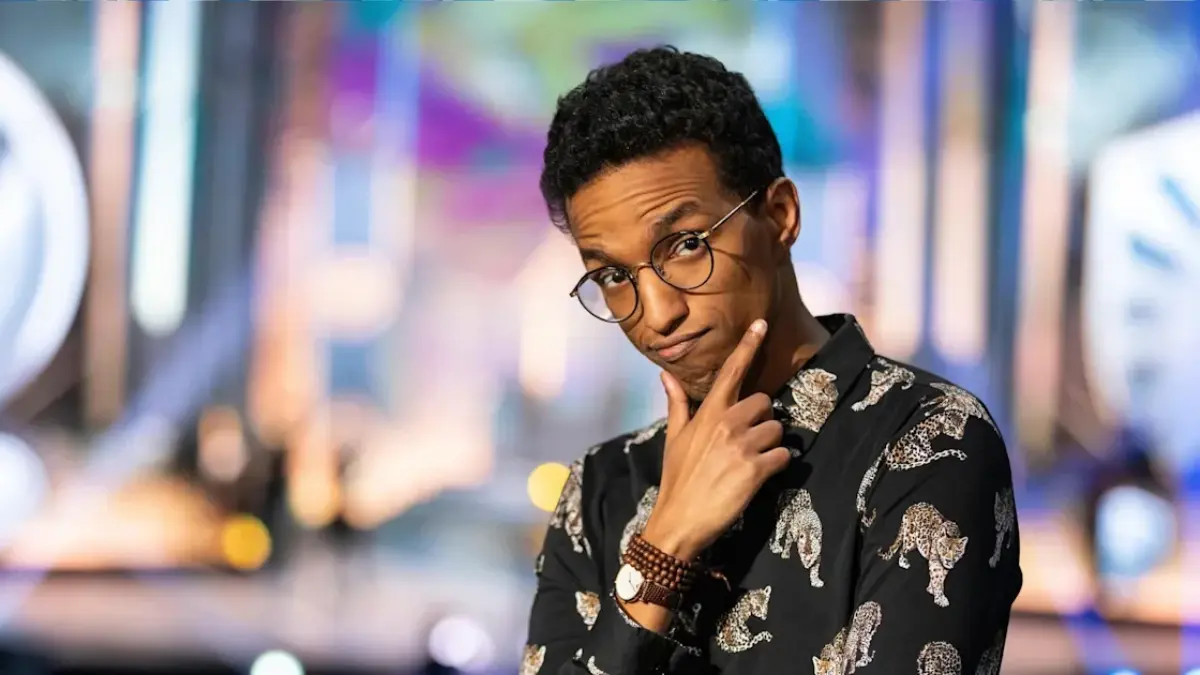
LCS caster and analyst Raz recently shared his take on the difference between European and North American League of Legends fandom. His verdict? Europe has something special that NA can’t match.
“I’m actually jealous of what’s happening in Europe, that they have the French KC diehards, the MKOI’s Spanish diehards, they have the Los Ratones diehards,” Raz said during a broadcast segment.
The comment highlights a growing conversation in competitive League about fan engagement across regions. Raz specifically called out three European communities known for their intense support.
Karmine Corp has become synonymous with French League fandom. The organization brings arena-filling energy to LEC events with coordinated chants and watch parties that feel more like football ultras than traditional esports crowds. Their supporter culture has become one of the most visible forces in European League.
MAD Lions KOI carries the Spanish flag in the LEC. The brand merged MAD Lions’ competitive legacy with KOI’s creator-driven fanbase, creating a team that mobilizes Spanish-speaking fans across multiple platforms. Costreaming culture and influencer ties keep supporters locked in regardless of roster changes.
Los Ratones represents another flavor of European fandom—a community-driven brand built around personality and creator leadership rather than traditional org structure.
Raz’s observation points to a structural reality in League esports. Europe’s regional leagues and distinct national markets create natural fan identity anchors. Teams can become “the French team” or “the Spanish team” in ways that resonate culturally.
North America faces different challenges. LCS teams traditionally operated from a single production hub in Los Angeles without strong geographic ties. Frequent roster turnover and franchise shuffling have made it harder for fans to develop lasting club loyalty.
The contrast extends to how fans connect with teams. European organizations often leverage regional leagues where supporters follow teams from domestic competition into the LEC. Creator ownership and influencer partnerships also provide continuity when players move between rosters.
What NA is working with
North American fandom has historically centered on star players and personalities rather than club identity. Teams like TSM built massive followings through dominant rosters and charismatic figures, but maintaining that energy through constant roster changes proved difficult.
The LCS has dealt with declining viewership and engagement for years. Where European teams can tap into national pride and regional rivalry, North American organizations compete for attention in a market where geographic identity matters less and roster loyalty feels increasingly outdated.

