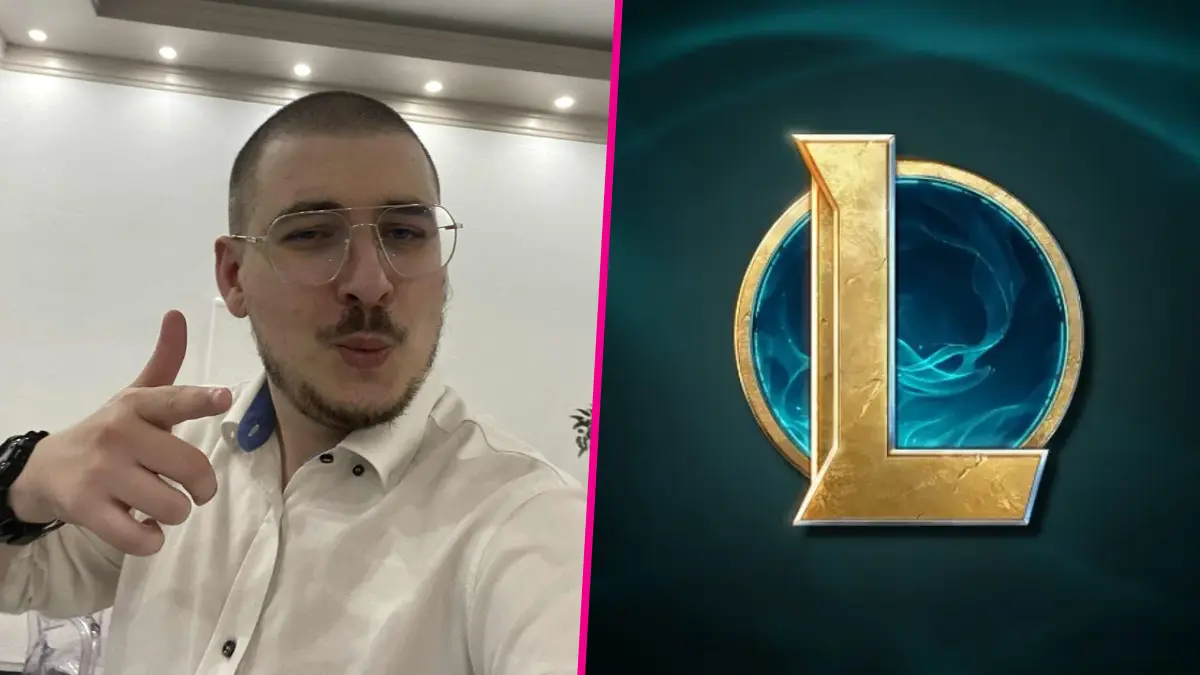
An official LEC co-streamer has come under fire for posting transphobic harassment on X targeting a woman esports player. Kaseko, who holds co-streaming privileges for League of Legends‘ EMEA Championship broadcasts, allegedly made a public post fixating on the genitals of trans player ImLexa in what users are calling both transphobic and sexually harassing.
The post in question directly questioned ImLexa’s anatomy in an apparent attempt to invalidate her identity as a woman. The comment reduced her to her body parts while framing being transgender as an insult. Multiple users shared links to the September 2023 post which remains visible on Kaseko’s X account.
The allegations don’t stop there. Another woman in the community named kittxnly posted screenshots showing Kaseko and members of his audience allegedly directing misogynistic slurs at her, including repeated use of terms like “bitch” and “whore.” The screenshots suggest a pattern of gendered harassment extending beyond the transphobic incident.
Co-streaming partnerships are granted by Riot Games to select creators who can broadcast LEC matches to their own audiences. These partnerships come with expectations of professional conduct since co-streamers effectively represent the league brand. Riot typically reserves the right to revoke these privileges for behavioral violations, though enforcement has been inconsistent across different regions and incidents.
The timing matters because esports organizations have faced mounting pressure to address harassment of women and LGBTQ+ players. Several high-profile incidents in recent years have forced leagues to clarify their standards for partner conduct. Riot itself has promoted “sportsmanship” initiatives while dealing with criticism over how it handles misconduct among talent and partners.

