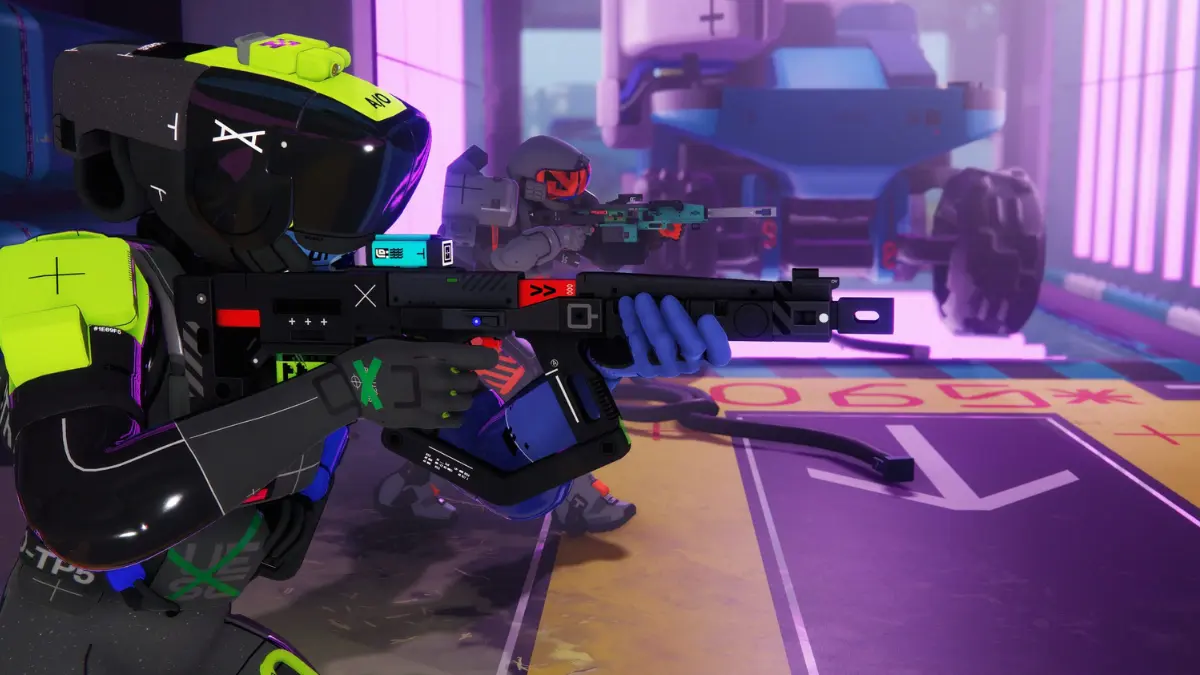
Bungie’s newly released extraction shooter Marathon launched with an in-game store that sells premium currency in bundles that don’t align with item prices. Players buying a $10 currency pack receive 1,100 coins, but cosmetics in the store are priced at 1,120 coins.
The mismatch means players can’t buy exactly enough currency for a single item. They either need to buy a larger bundle or make multiple purchases to reach the required amount.
Marathon also features weapon charms and cosmetics that can only be equipped on one weapon at a time. Players must unequip a charm from one gun before moving it to another, creating friction when swapping items between weapons.
The store displays cosmetic bundles with “discount” messaging that shows a higher crossed-out price alongside the bundle cost. This pricing strategy presents the bundle as a deal compared to buying items individually.
Marathon costs $40 upfront across all platforms. The combination of a paid entry price and premium cosmetic store has drawn comparisons to free-to-play monetization models.
The math doesn’t add up
The premium currency structure follows patterns used by major live-service games including League of Legends, Overwatch, Fortnite, and Apex Legends. These games commonly sell currency in fixed bundles while pricing items to ensure leftover currency or force higher-tier purchases.
Marathon is Bungie’s competitive take on the extraction shooter genre, reviving the studio’s 1990s sci-fi FPS franchise. The game positions itself as a long-term live-service title with ongoing content updates and seasonal cosmetics.
Bungie previously drew criticism for monetization practices in Destiny 2, which combines paid expansions, seasonal content, and a premium cosmetic shop. The studio changed Destiny 2‘s shader system from single-use to reusable after player feedback about similar equipment restrictions.

