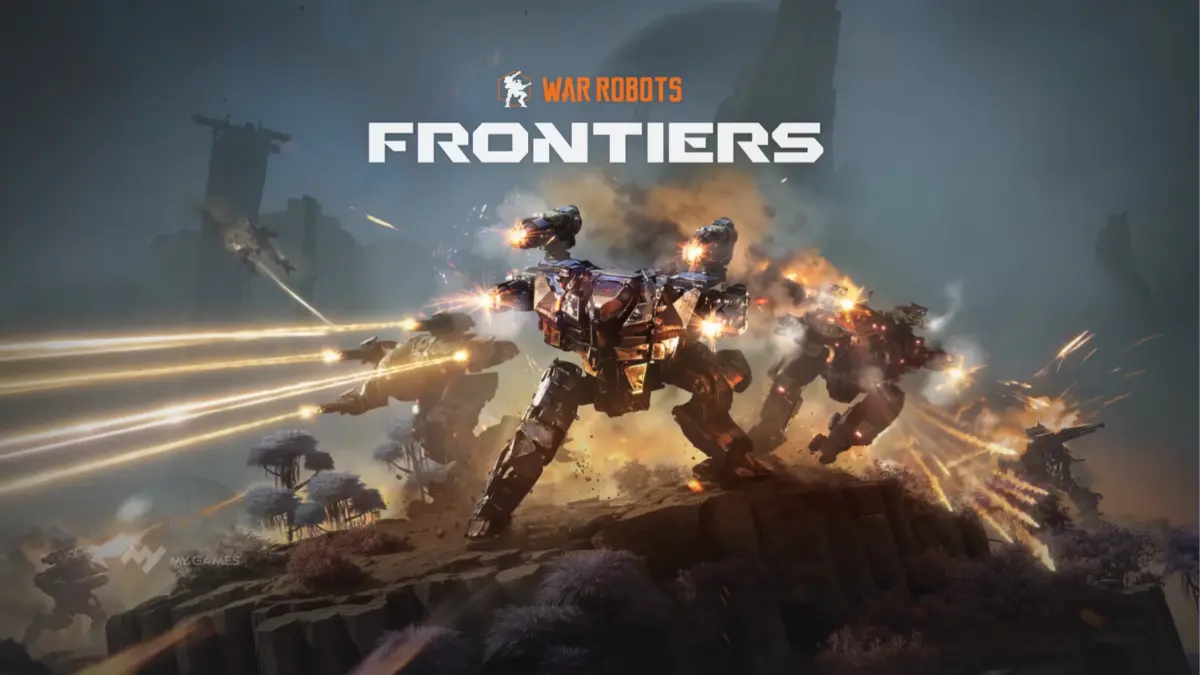
A marketing firm called Trap Plan Agency recently deleted a case study it published on its website, openly describing a coordinated deception campaign it ran for War Robots: Frontiers. The agency detailed how it used multiple accounts to post promotional content disguised as genuine player discovery across gaming communities.
The campaign ran for roughly four months and involved 40 posts designed to look like organic user content. Trap Plan’s case study describes tactics including “I found this game” discovery posts, short gameplay clips and GIFs, screenshot threads, and discussion prompts meant to get people talking.
According to the agency’s own metrics, the effort generated 2,420 upvotes total—averaging about 60 per post—and drove approximately 1,500 game installs. Trap Plan claims the campaign helped boost War Robots: Frontiers‘ peak concurrent player count from double digits to over 300, which the agency presented as a 3,599% increase.
Gaming community members who spotted the case study identified multiple red flags. They found examples of newly created accounts with hidden histories posting near-identical comments on the same threads. Archive snapshots show Trap Plan originally framed the case study as an explicit sales pitch encouraging other studios to hire them for similar campaigns before revising it to a more restrained version.
This type of marketing—known as astroturfing—is designed to make paid promotion appear as authentic grassroots activity. The practice violates disclosure rules in multiple jurisdictions. The U.S. Federal Trade Commission requires clear disclosure of paid endorsements and material connections. Similar regulations exist in the EU and UK.
War Robots Frontiers is a mech shooter for PC and consoles set in the War Robots universe, which originated as a mobile game from Pixonic and MY.GAMES. The astroturfing campaign specifically targeted the Steam version of the game during its player base building phase.
The case study itself makes no mention of disclosure practices or labeling the posts as sponsored content. Trap Plan described the campaign’s success partly through the fact that “most players didn’t even realize they were part of a marketing effort.”

