A small indie developer watched their game disappear from Steam after Microsoft filed a DMCA copyright takedown notice. Within days, Microsoft withdrew the claim and the game was back up.
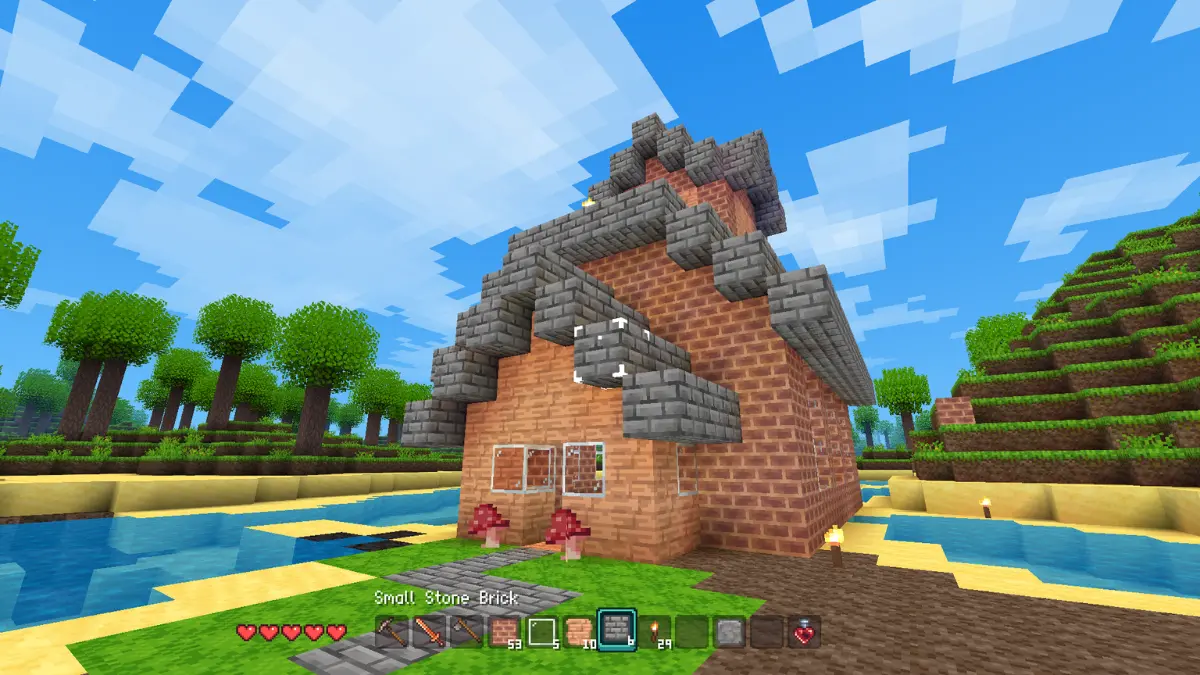
Allumeria is a voxel sandbox game that bears a strong resemblance to Minecraft. The game features block-based building, survival mechanics, and a visual style that closely mimics Microsoft’s mega-hit. The developer released a free demo on Steam ahead of the game’s full launch.
The DMCA notice alleged infringement of “Minecraft content, including but not limited to gameplay and assets.” This broad language could refer to actual stolen assets like textures or sound effects, or simply visual and mechanical similarities between the games. The notice was reportedly filed by Judith Woodward, who is associated with tracer.ai, an automated IP enforcement tool.
Looking at Allumeria‘s trailer and screenshots, the similarities are striking. The UI elements, including the heart-based health display, mirror Minecraft‘s design. Enemy models like skeletons appear nearly identical in proportion and style. Sound effects for placing blocks, taking damage, and collecting items are described by players as extremely similar to Minecraft‘s audio. Some viewers said screenshots could pass for Minecraft with a texture pack applied.
Microsoft and other major rights holders increasingly rely on automated tools to scan storefronts for potential infringements. These systems can flag content based on visual similarity, which increases enforcement speed but also creates false positives. Games in crowded genres like voxel sandboxes, where many titles share similar visual language, are particularly vulnerable to automated strikes.
Under the DMCA framework, platforms like Steam typically remove content quickly after receiving a valid-looking notice. This protects them from liability, but it also means developers can lose access to their store page before anyone examines whether the claim has merit. If a developer files a counter-notice, the rights holder must either drop the claim or file a lawsuit within roughly 10 business days to keep the content down.
The developer behind Allumeria, Unomelon, initially expressed uncertainty about how to proceed. The timing was especially rough since the game was preparing for promotional events where visibility matters. A Steam listing going dark during a festival or sale window can tank wishlist growth and kill launch momentum.
Microsoft withdrew the copyright claim before the developer needed to file a counter-notice. The Steam page and game were fully restored. The developer confirmed they wouldn’t face any legal action.

