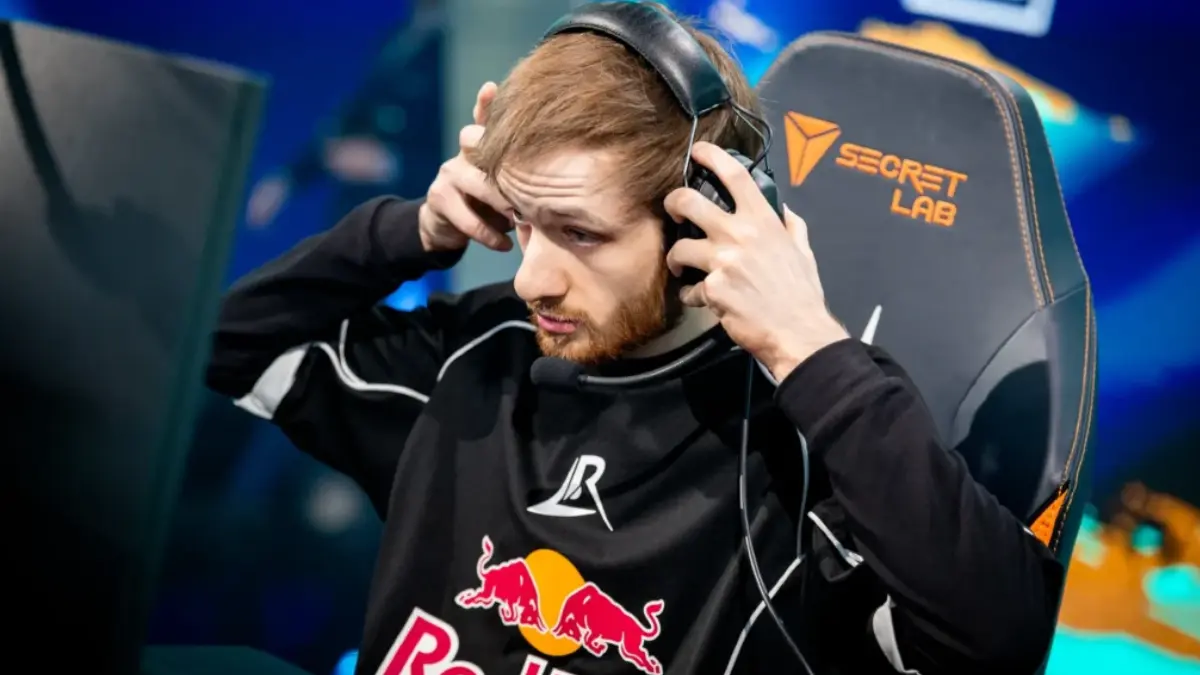
Former Fnatic mid laner Nemesis got people talking in the League of Legends community after claiming that mid laners on Fnatic are often depressed and typically become happier after leaving the organization.
When asked whether mid laners perform better after departing Fnatic, Nemesis responded with a qualified “probably.” His reasoning centered on what he’s heard directly from players.
“Usually they talk about how depressed they are when they’re there,” Nemesis said. “And then they leave and they’re usually happier.”
The statement carries weight given Nemesis’ own history with the organization. He played for Fnatic from 2019 to 2020 and reached the World Championship finals in his first year with the team. His time with Fnatic ended after the 2020 season.
Nemesis has remained an outspoken figure in the League scene since his competitive days. He currently streams and regularly offers commentary on teams and players across regions.
His comments touch on a broader issue in esports: the mental health toll of playing for high-profile organizations. Fnatic is one of Europe’s most storied League of Legends teams with a massive fanbase and equally massive expectations.
That spotlight can create intense pressure. When teams underperform, players face constant criticism from fans and analysts. The mid lane position at Fnatic has historically been one of the most scrutinized roles in European League of Legends.
The organization has housed legendary mid laners including xPeke, Febiven, and Caps. That legacy only adds to the weight placed on whoever fills the position.
Speaking from experience
Nemesis stopped short of providing specific details about what makes the Fnatic environment difficult. He framed his answer around what players “talk about” rather than making concrete allegations about management or team structure.
Not sharing specifics is pretty normal when former players talk about internal team dynamics. NDAs, professional relationships, and concerns about future opportunities often keep players from going into detail about negative experiences.
Still, his comments add to a pattern of vague criticisms about Fnatic’s internal culture that have surfaced from various sources over the years. Whether things improve or whether mid laners continue to struggle with the pressure remains an open question.

