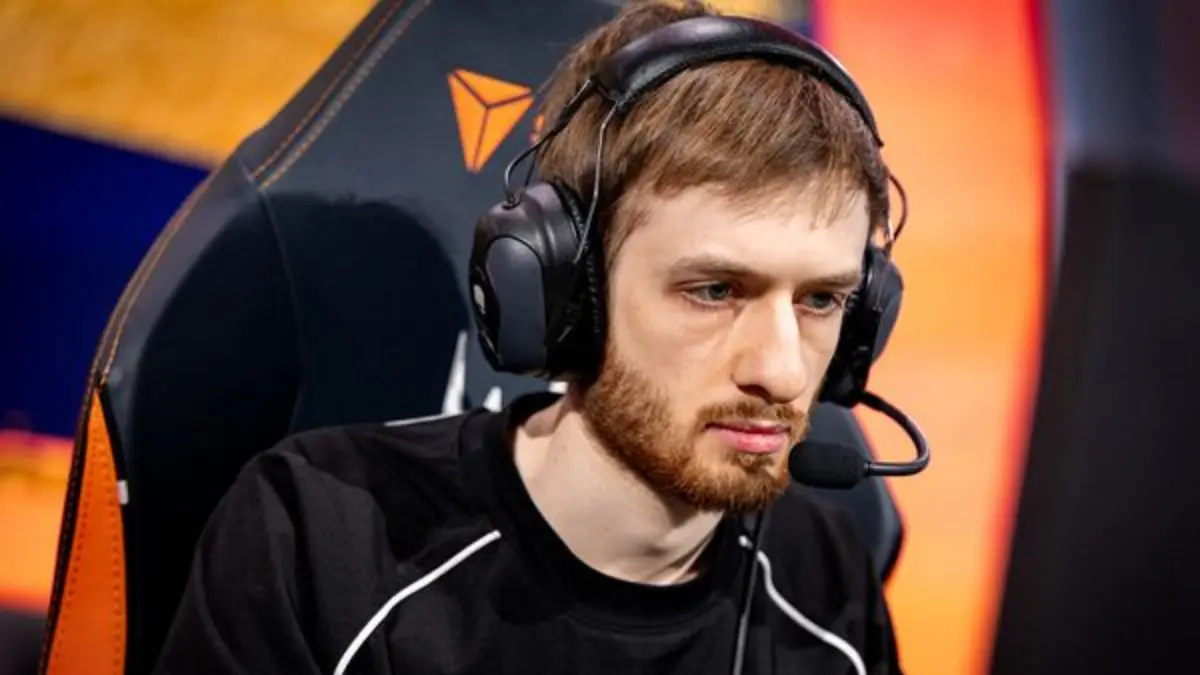
Nemesis dropped a take that’s got League players arguing over what voice chat would actually do to Solo Queue. The streamer and former pro mid laner claims the biggest downside isn’t toxicity—it’s that voice comms would fundamentally warp how the game is played at high ranks.
His argument centers on gameplay changes rather than chat abuse. With real-time voice coordination, Nemesis predicts players would shift toward slower and safer strategies. Teams could coordinate plays more precisely, which sounds good until you realize it means fewer individual outplay moments and less room for mechanical skill to shine.
The current Solo Queue environment thrives on limited communication. Players make snap decisions with minimal context, which creates chaos but also enables aggressive plays and surprise fights. Add voice chat and that spontaneity disappears. Instead of explosive one v one fights and risky invades, teams would default to coordinated collapses and controlled scaling.
Nemesis also pointed to a competitive integrity problem. If voice chat is opt-in, a team with five players on comms has a massive advantage over a team where only two or three join. That creates an unfair matchmaking dynamic that has nothing to do with skill—just willingness to hop on voice.
We expect scaling compositions to become optimal since coordination favors late-game plans. Assassins would take a hit because they rely on enemy miscommunication and fog-of-war mistakes. When teams can track threats and coordinate responses in real time, burst champions lose their edge.
There’s also toxic meta enforcement. With voice chat, players might pressure teammates into “correct” picks without understanding actual matchups or counters. Shotcalling conflicts could spike too, since everyone suddenly has a microphone to argue about macro decisions.
The streamer problem
There’s a broadcasting angle that matters. Streamers face platform policy risks if random teammates say bannable things on their stream. One tilted player dropping slurs could get a creator’s channel hit with temporary suspension, even if the streamer mutes them instantly.
League has historically kept voice chat limited to premade parties. While other games like Valorant and CS have team voice as standard, League‘s Solo Queue has operated on pings and text for over a decade. Dota 2 offers the closest comparison—it’s had voice chat since launch without destroying the ranked ladder, though the debate over whether that’s actually worked well continues.

