A U.S. Patent and Trademark Office examiner has issued a non-final rejection of Nintendo’s patent application covering a specific gameplay mechanic. The patent describes a system where players summon a sub-character and command it to fight using one of two selectable battle modes.
The examiner’s reasoning? Obviousness. In patent law terms, this means the claimed invention isn’t sufficiently different from what already exists. The examiner believes the combination of features described in the patent would have been a pretty expected step for someone working in game design.
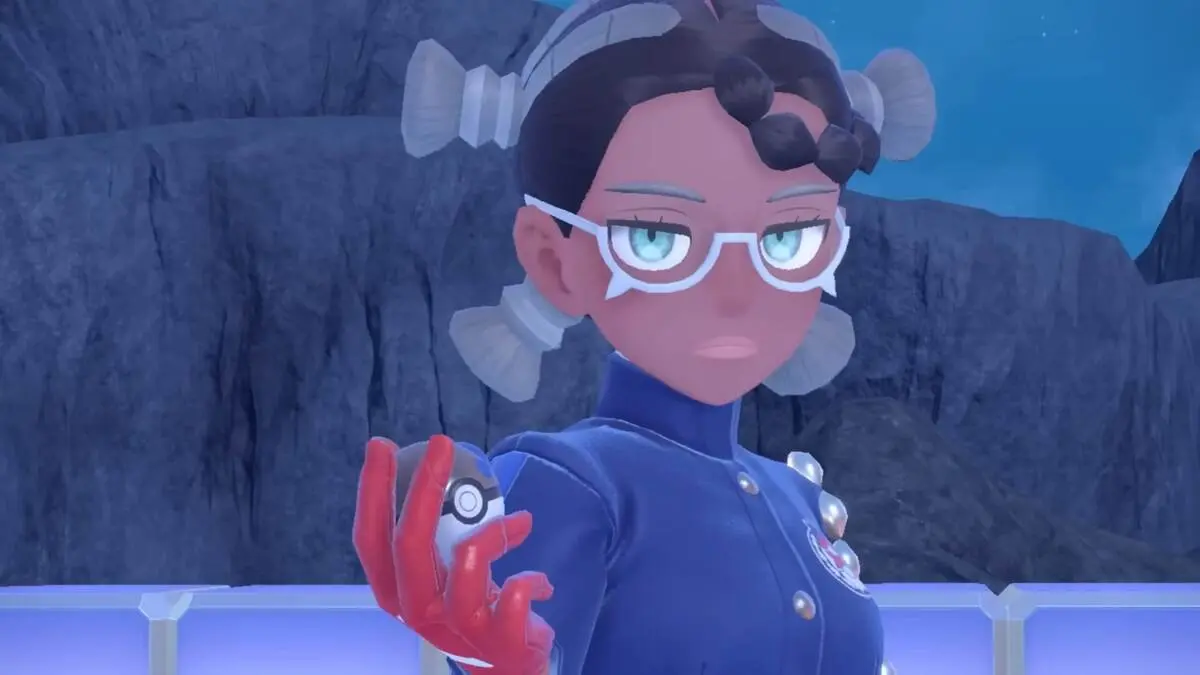
The mechanic in question closely resembles the double battle approach introduced in Pokémon Scarlet and Pokémon Violet. Those games let players engage in traditional turn-based battles or use a streamlined auto-battle system for quick encounters. The patent application attempts to protect this kind of switchable combat flow.
Understanding what “non-final” actually means
A non-final rejection is not the end of the road. It’s a standard first step in the USPTO review process where the examiner raises objections. Nintendo can now respond by arguing its case, narrowing the patent claims to be more specific, or amending the application to address the examiner’s concerns.
If Nintendo files a response and the examiner still isn’t convinced, they’ll issue a final rejection. Even then, Nintendo would have multiple options to keep going after the patent through appeals, examiner interviews, or refiled applications with adjusted claims.
Nintendo’s legal team will likely file a response within the next few months. They could argue that the examiner misunderstood the invention, point out specific elements that make their system unique, or narrow the claims to focus on implementation details that aren’t covered by prior art.

