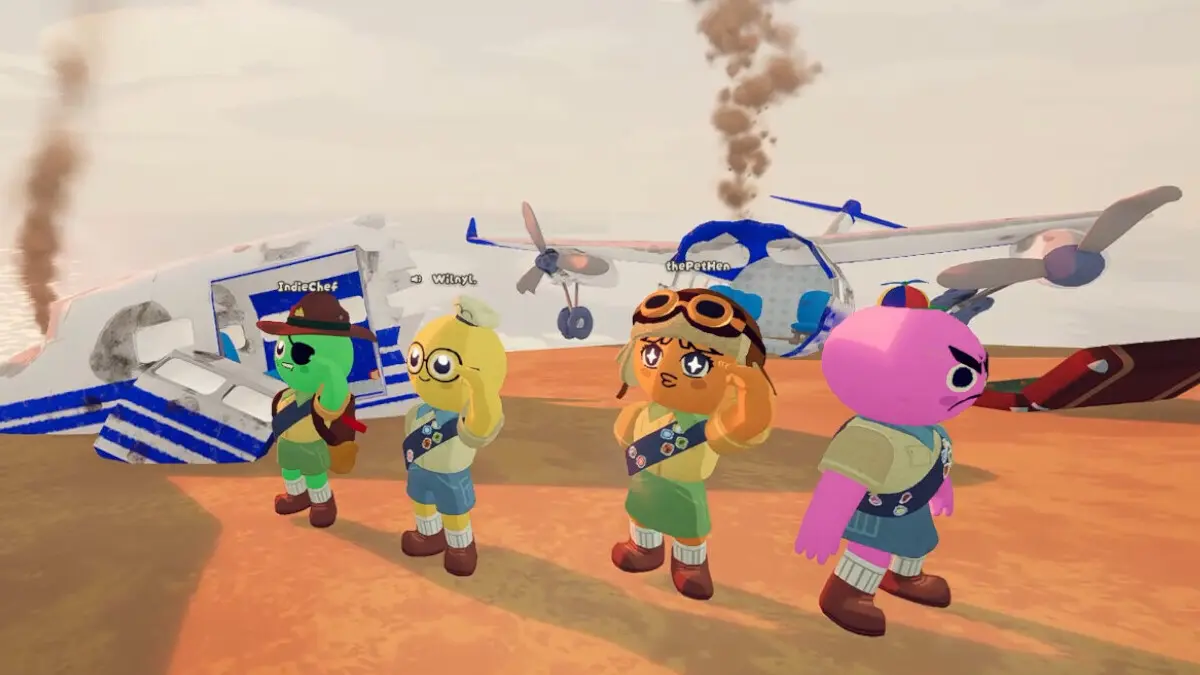
The developers of Peak just dropped a reality check for players expecting constant updates. Landfall Games explained that not every game is built for long-term support and that moving on to new projects is normal business practice.
The message came after fans complained about the lack of post-launch content for Peak, a primarily co-op title. The developers made it clear they’re not dodging technical issues or game-breaking bugs. They’re talking about the demand for new features, content drops, and ongoing expansions that some players now treat as standard.
According to the studio, their typical workflow goes like this: ship a complete game, support it briefly if they have fixes or ideas to implement, then transition to the next project. It’s not laziness. It’s how most studios actually operate when they’re not running a live-service model.
The disconnect is real. Players who grew up on Fortnite, Roblox, and Genshin Impact experienced constant updates as the baseline. Those games built business models around engagement and retention. Frequent patches, seasonal content, and battle passes became what gaming looked like for an entire generation.
But that’s not how most games work. Traditional releases ship as complete products. Developers might add paid DLC or expansions, patch critical bugs, and then wrap up. The idea that every title deserves years of free updates is relatively new and not economically realistic for smaller teams.
Ongoing development costs money. Salaries, QA testing, localization, platform certification fees. Even small additions require programmers, artists, designers, and testers working together. For studios without live-service revenue streams, time spent on free updates delays the next paid project that keeps the lights on.
Not every game needs a roadmap
The Peak team isn’t alone in this frustration. Studios often get labeled “lazy” or accused of “abandoning” games when they simply move to new projects on a normal timeline. Single-player games get called “dead” when they’re just complete. Multiplayer titles face the label when player counts drop, even if servers stay online.
Peak is designed for co-op sessions with friends. Its longevity depends more on your friend group than constant content injection. As long as the game works and servers stay up if needed, it serves its purpose.

