Will Powers Pearl Abyss has confirmed that all voice performances in Crimson Desert were recorded by human actors rather than AI-generated voices. The South Korean studio behind Black Desert Online made the clarification during a recent Q&A session as part of the game’s ongoing marketing cycle.
The statement comes at a time when AI voice acting has become a hot-button issue across the gaming industry. Studios are facing increased scrutiny over whether they’re replacing traditional voice performers with synthetic voices or using actor-trained text-to-speech systems.
Pearl Abyss appears to be getting ahead of any questions by confirming the traditional approach. The use of past tense suggests a substantial portion of the voice work is already complete.
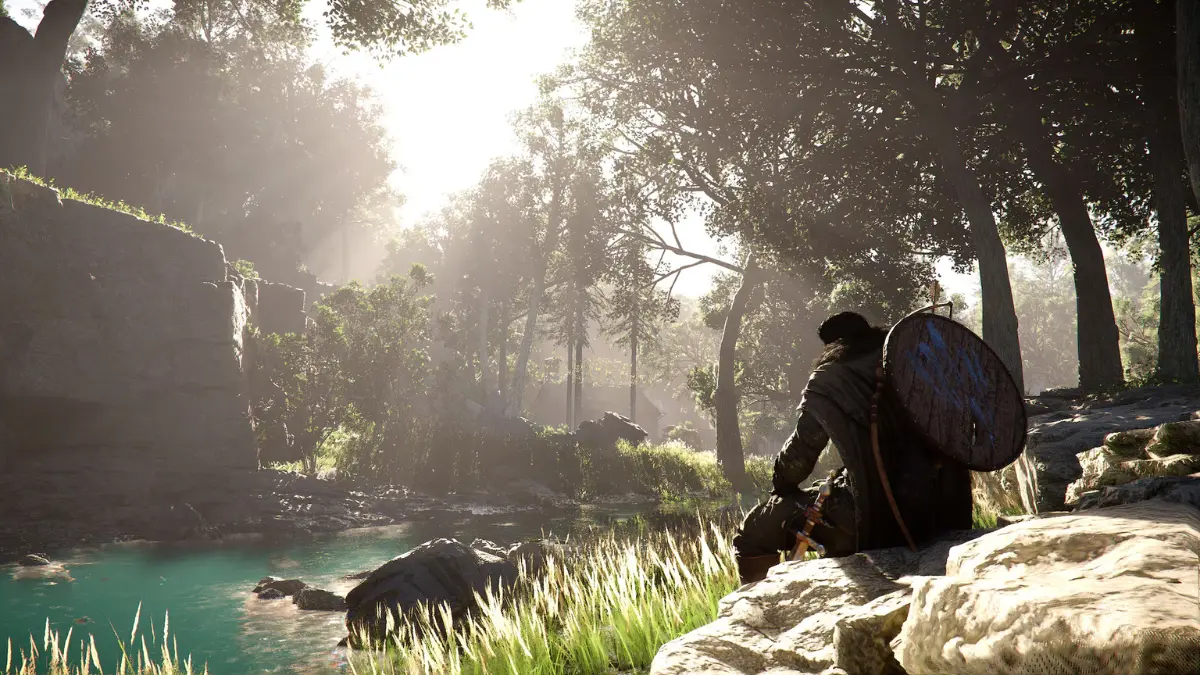
Crimson Desert is Pearl Abyss’s ambitious attempt at a large-scale single-player action RPG. The game has been in development for several years with intermittent showcases and updates. It represents a departure from the studio’s MMO roots with Black Desert Online.
The AI voice debate has intensified in recent months as the technology has become more accessible and convincing. Voice performers and unions have raised concerns about consent, compensation, and the use of their recorded performances to train AI models. Some games have faced criticism for AI-sounding dialogue or disclosed limited use of synthetic voices.
Pearl Abyss’s confirmation addresses the main concern but leaves some technical questions unanswered. The statement doesn’t clarify whether AI tools were used anywhere in the audio pipeline for tasks like noise reduction or whether all dialogue types are covered across all language versions.
The confirmation came out of what appears to be a standard developer interview rather than a major announcement. The fact that human voice acting has become noteworthy enough to headline shows how much the landscape has shifted.

