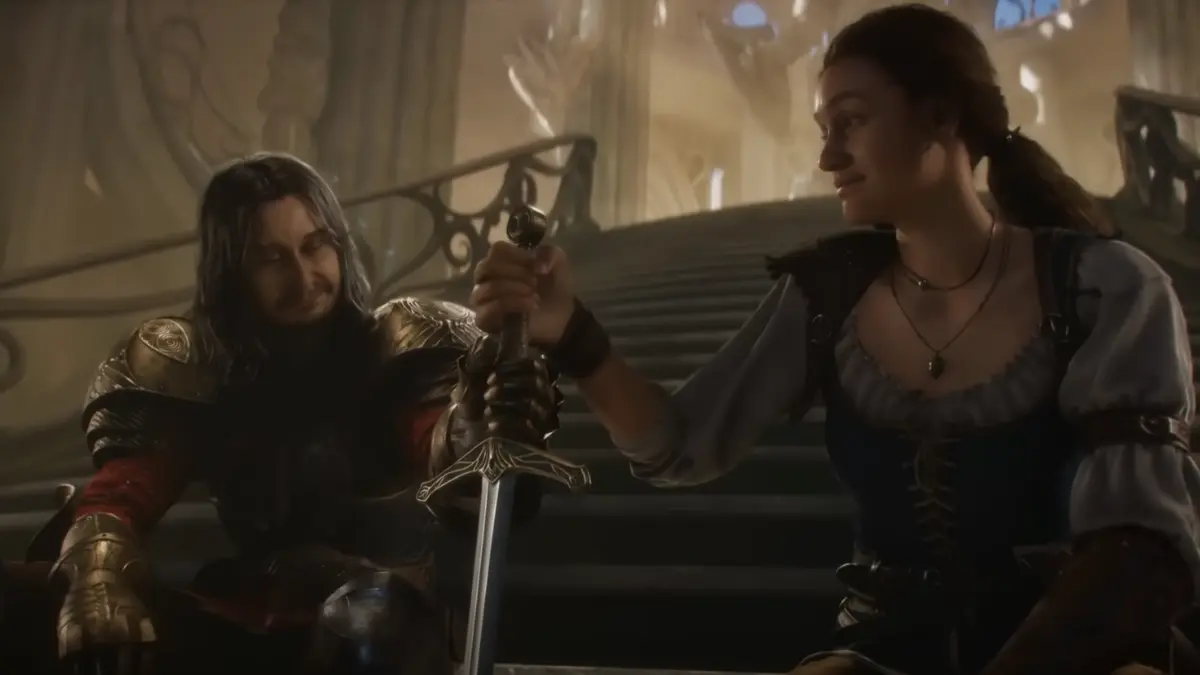
Playground Games has confirmed the upcoming Fable reboot will ditch one of the series’ most recognizable features. The morality-based physical transformations that gave evil characters horns and good characters halos are out.
Instead, the game will use a context-based reputation system where different communities judge players differently. What one settlement sees as heroic might be viewed as villainous elsewhere.
The classic Fable games made your moral alignment impossible to miss. Play as a saint and you’d glow with an angelic halo while butterflies followed you around. Go full villain and you’d grow demonic horns, darken your skin, and attract flies. The visual feedback was instant and universal.
According to developer statements, the new approach stems from a belief that morality isn’t black and white. Different groups have different values, so the game won’t slap a universal “good” or “evil” label on your character through appearance changes.
The developers used property ownership as an example. Raising rent on tenants might anger poor NPCs while wealthier characters approve. Your reputation shifts based on who’s doing the judging, not a single moral meter.
This marks a significant shift from the Lionhead Studios-era games. Fable, Fable II, and Fable III all used alignment-based transformations as a core identity feature. Marketing materials regularly showed heroes with glowing halos or twisted horns to showcase the choice-driven gameplay.
The original trilogy also morphed characters based on other factors. Strength training made you more muscular. Magic use gave you glowing tattoos. Your diet affected weight. Combat deaths added scars. You even aged as you progressed.
Whether these non-morality transformations remain in the reboot is unclear. Developer comments specifically addressed the removal of good-versus-evil appearance changes, but haven’t detailed what other physical progression systems might return.
Playground Games hasn’t fully explained how the reputation system works mechanically. Whether it’s tracked per settlement, per faction, or per individual NPC remains to be seen. How reputation affects gameplay beyond dialogue reactions also needs clarification.

