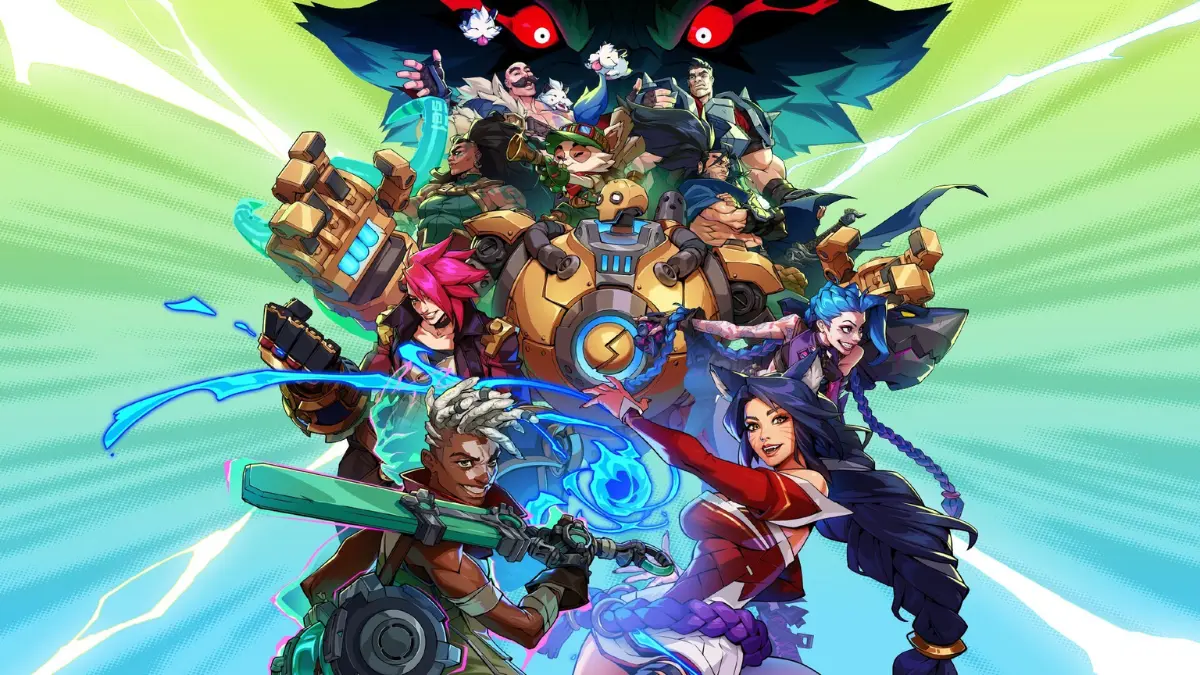
Riot Games has gutted the team behind 2XKO, its League of Legends fighting game. Game Developer reports approximately 80 employees were laid off from the project, representing roughly half the team working on the game.
The cuts came alongside an official “Update on 2XKO” post from Riot outlining changes to how the game will be staffed and supported going forward. The update signals a significant scale-back in resources dedicated to the fighting game.
One developer affected by the layoffs shared their experience publicly. PatTheFlip, who worked on 2XKO for 10 years and spent 12 years total at Riot, posted that they were laid off with approximately 30 minutes notice.
The timing is rough. 2XKO only recently hit full release after years in development under the working title “Project L.” The game launched in early access on PC months ago before expanding to PlayStation 5 and Xbox, but many players didn’t realize the official 1.0 launch had already happened.
Riot acquired Radiant Entertainment in 2016 specifically to build a fighting game, bringing in the Cannon brothers and the team behind Rising Thunder. The project went through multiple iterations over nearly a decade, shifting between 1v1 and tag team formats before settling on its current 2v2 design.
The free-to-play fighter launched with 12 characters, which some in the fighting game community considered a small roster compared to recent entries like Street Fighter 6 or Tekken 8. The game has drawn criticism for lacking single-player content and for design choices around its control scheme.
According to comments from those familiar with Riot’s announcement, affected employees are receiving six months of notice pay as part of their severance package.
What happens now
Riot’s update indicates 2XKO will continue operating with a smaller team and presumably a reduced content cadence. The company hasn’t detailed specific plans for future character releases, balance updates, or competitive support going forward.
This marks another scaling-back for a Riot project outside of League of Legends. The company previously wound down development on Legends of Runeterra and shut down its Riot Forge publishing label entirely.

