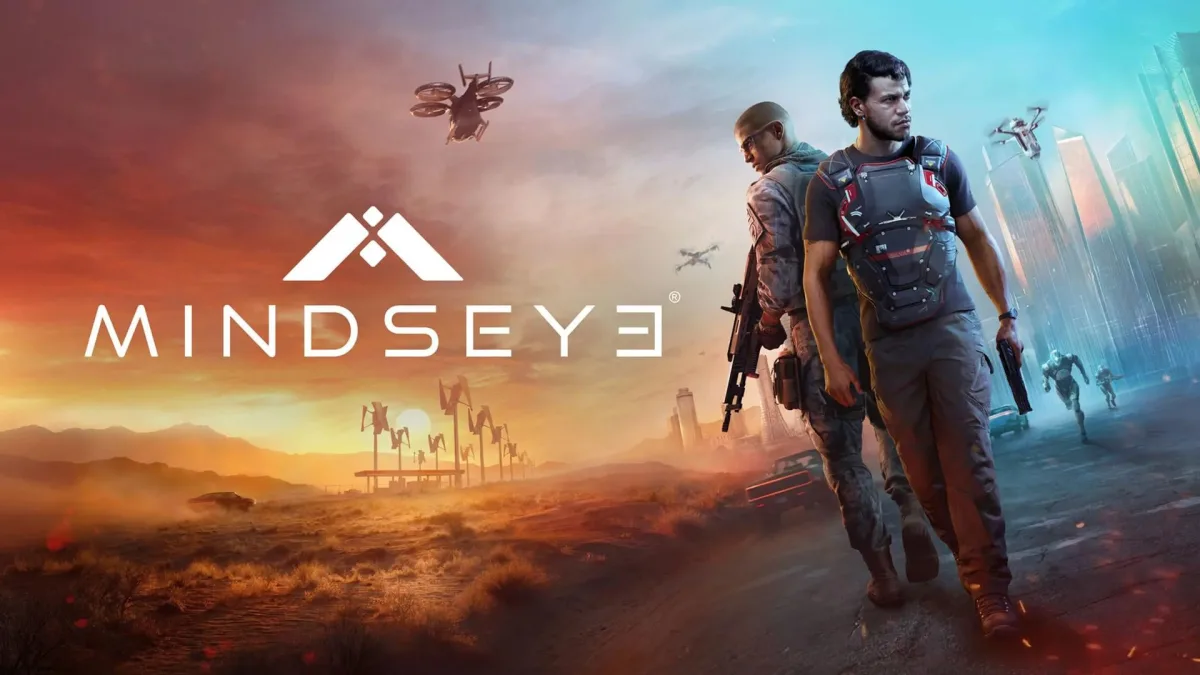
Build A Rocket Boy co-CEO Mark Gerhard has accused unnamed parties of spending more than €1 million on a coordinated campaign to sabotage MindsEye and damage the studio’s reputation. According to a report from Tom Henderson at Insider Gaming, Gerhard claims the company has identified those responsible and intends to pursue legal action.
The allegations center on paid efforts to harm the game’s reception. Gerhard says the campaign involved paying multiple influencers, three journalists, and even Build A Rocket Boy employees to attack MindsEye and the studio publicly.
One influencer specifically named in the situation is “Cyberboi,” who allegedly received a cease-and-desist threat via Discord from the studio.
But the story gets weird with Gerhard’s proposed response. Rather than simply pursuing legal action, he suggested the studio might incorporate the alleged saboteurs into an upcoming in-game spy mission, potentially using their names and likenesses. The idea appears to be framing it as “owning the narrative” by turning the controversy into content.
Build A Rocket Boy is the studio founded by Leslie Benzies, who previously held senior positions at Rockstar North and worked on major Grand Theft Auto titles. The company has promoted ambitious plans for MindsEye and broader gaming platforms, raising expectations around their projects.
MindsEye launched to mixed reception, with players reporting technical issues and performance problems. The game currently sits heavily discounted on Steam, and critics have questioned whether the studio’s claims of coordinated sabotage explain the game’s struggles better than its actual state at launch.
No lawsuit has been filed publicly yet. The allegations remain unproven, and no evidence has been presented to support the €1 million figure or the involvement of specific individuals.
Using real people as killable characters in a video game based on unproven allegations carries obvious legal risks. If employees are among those allegedly involved, depicting them in-game could raise concerns about workplace retaliation and harassment on top of potential defamation claims. The same applies to journalists and influencers who might find their likenesses used without consent in a game that frames them as villains.

