Electronic Arts is facing a $55 billion leveraged buyout proposal that would take the gaming giant private and place it under Saudi Arabian control.
According to a recent filing with Brazil’s antitrust regulator, the deal would give Saudi Arabia’s Public Investment Fund approximately 93.4 percent ownership of EA. Private equity firm Silver Lake Partners would hold 5.5 percent, while Affinity Partners, the investment firm run by Jared Kushner, would take 1.1 percent.
EA has scheduled a shareholder vote on the proposal for later this month. If approved, the company would delist from public markets and cease trading as a publicly held entity.
The timing appears well chosen for both sides. EA has faced mounting pressure from regulators targeting loot box mechanics in games like FIFA Ultimate Team. The company also voluntarily dropped the FIFA brand last year, rebranding its flagship football series to EA Sports FC. While the rebrand retained the player base, it signaled potential revenue uncertainty around licensing.
For Saudi Arabia, the acquisition fits into Vision 2030, Crown Prince Mohammed bin Salman’s plan to diversify the kingdom’s economy beyond oil. The PIF has been aggressively investing in gaming and entertainment, including stakes in companies like SNK, Nintendo, and others.
Sports games appear to be the primary draw. EA’s portfolio includes EA Sports FC, Madden NFL, F1, and UFC titles. These annualized franchises generate consistent revenue through both game sales and live-service monetization.
The PIF’s gaming investments parallel its push into traditional sports, where it has backed LIV Golf and invested heavily in football clubs. Controlling a major Western publisher gives the fund cultural influence and recurring cash flow from some of gaming’s most profitable franchises.
Silver Lake brings experience in large tech buyouts, having previously invested in companies like Dell and Endeavor. Affinity Partners’ involvement is notable given Kushner’s political background and the PIF’s reported role as a major backer of his fund.
If shareholders approve the deal, regulatory review will follow. The Committee on Foreign Investment in the United States may scrutinize a transaction that places a major American publisher under foreign state control. However, purely financial buyouts typically face less resistance than platform mergers like Microsoft’s Activision Blizzard acquisition.
What happens to EA’s games
In the near term, players should see little change. EA Sports FC, Madden, Apex Legends, and other live services will continue operating. Upcoming releases remain on schedule.
Longer term, the private ownership structure could shift priorities. Going private removes quarterly earnings pressure but introduces new financial dynamics. The PIF and its partners paid a premium and will expect returns.
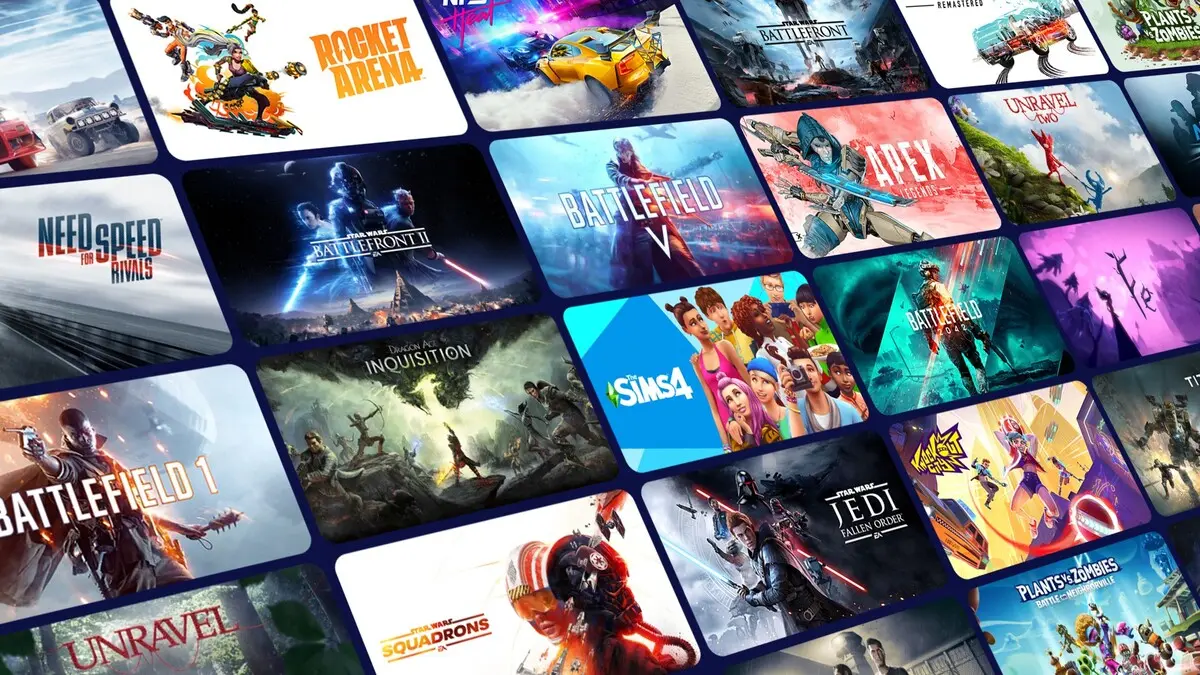
EA’s sports and live-service titles generate the bulk of revenue. Franchises like The Sims, Mass Effect, and Battlefield have proven value. But older IP sitting dormant at EA, like Command & Conquer, Burnout, Mirror’s Edge, Crysis, and Dead Space, could face uncertain futures under new ownership focused on maximizing profitable franchises.
Whether the new owners sell underutilized IP or simply let it collect dust remains unclear. Major rightsholders often prefer holding properties rather than risking another company turning them into hits.

