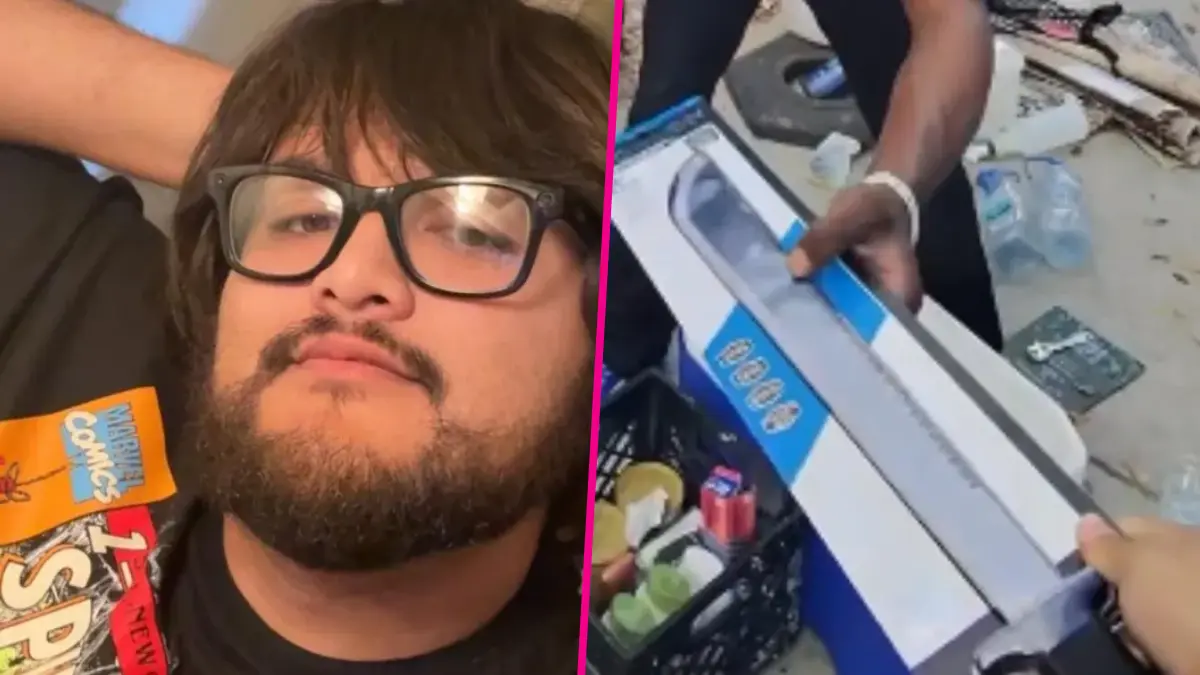
An online streamer, Keith Castillo, better known as povwolfy, recorded himself approaching homeless people in an urban area and handing them large bottles of alcohol and cheap machetes. The videos were posted as short-form content across social media platforms with visible online casino watermarks and referral codes.
Besides the stunt drawing widespread condemnation, the streamer’s comments have also landed him in hot water, saying “gotta do what we have to do so we eat.” According to coverage of the videos, he claimed he consulted local police before distributing the weapons and was told he wasn’t breaking any laws. Police departments have so far declined to comment.
Keith conducted the social media stunt as part of a Thanksgiving stream. His reasoning for why homeless people should be given alcohol and weaponry was that it will “keep them safe,” a claim called out all over social media platforms.
Sold in bulk, the machetes were bought by the IRL streamer for $5–10 each. Targeting homeless individuals specifically, the recipients in the videos are shown receiving bottles of hard liquor alongside the blades. In one clip, a woman attempts to grab a second machete from the streamer’s supply.
The stunt is not the first of its kind, either, as similar cases have occured where creators hand out items or substances to homeless people, seemingly as part of a promotion for an online casino. The videos typically display branding from sites like Stake, Rainbet, or 1Win in the corner of the frame.
The streamer is likely using generic referral codes rather than formal sponsorships, which allow any user to earn commissions when viewers sign up through their link. The approach lets gambling sites gain exposure through viral content without direct advertising.
A legal gray area
From a legal standpoint, the streamer may be in the clear. In many U.S. states, open carry of large knives is permitted when not concealed and without demonstrated criminal intent. Even machetes are often classified as tools rather than weapons, and do not require background checks.
Still, the content has drawn widespread concern. Many homeless people struggle with mental illness and addiction, and providing them with both intoxicants and large blades is not only unsafe, but exploits their vulnerable circumstances.
In the early 2000s, the Bumfights series paid homeless men to fight and perform humiliating stunts on camera. Producers faced lawsuits and criminal charges in multiple states. Modern platforms have seen repeated attempts at similar boundary-pushing content targeting vulnerable populations.
From shock content to soft advertising
The gambling overlay represents a growing trend in content monetization. Offshore and crypto casinos face advertising restrictions in many regions, but by embedding their branding in viral shock content, these brands can gain exposure to their target audiences. The controversial nature of the video itself drives views while the casino watermark rides along passively.
Platform policies from Twitch, YouTube, and TikTok prohibit encouraging violence as well as harmful pranks and harassment of vulnerable groups. However, with inconsistent enforcement, content often spreads widely before moderation actions occur.

