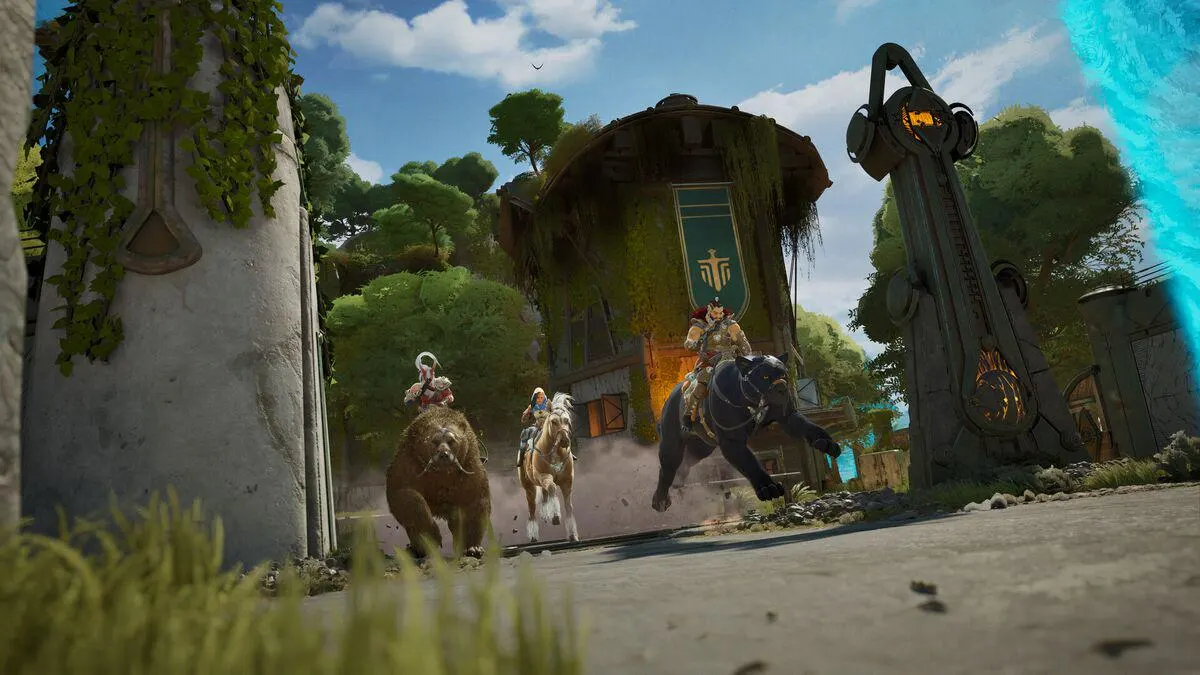
A new Bloomberg report by Jason Schreier reveals how live-service shooter Highguard collapsed within weeks of launch after failing to keep players coming back.
Tencent withdrew funding from developer Wildlight after the game missed critical performance targets, according to people familiar with the situation cited in the report. Staff were told in an internal meeting that their financing was contingent on hitting specific metrics, particularly retention rate.
The game didn’t come close to those targets.
Highguard launched as the final “one more thing” reveal at The Game Awards, riding a wave of hype into a surprise release. Initial player counts on Steam hit below 100,000 concurrent users. But that number collapsed rapidly, with recent data showing the game down to just a few hundred concurrent players.
The Bloomberg piece details strategic disagreements inside Wildlight that contributed to the failure. Leadership pushed for a secretive development process followed by a shadow drop launch, deliberately copying the playbook Respawn used for Apex Legends in 2019.
Team members suggested opening the game earlier for public testing and community building. Leadership rejected those ideas, insisting on recreating what had worked with Apex.
The problem is that Apex launched into a different market at a different time. Shadow drops are high-risk moves for multiplayer games that depend on network effects and sustained engagement. Without public testing phases, developers miss opportunities to gather feedback, tune systems, and build an audience before monetization begins.
Retention metrics are the critical measure for live-service games. Publishers and investors care less about launch spikes and more about whether players return after a day, a week, or a month. Low retention signals fundamental problems with the core gameplay loop, progression systems, or onboarding.
For Tencent, the poor retention numbers made continued investment difficult to justify. The funding pullback triggered layoffs at Wildlight, effectively ending the project’s momentum.
The wrong blueprint
The Apex Legends comparison became a liability. That game succeeded because of exceptional timing, polish, and gameplay feel that differentiated it immediately. Copying the launch method without matching those underlying strengths is a common mistake in live-service publishing.
Schreier’s report also notes that some of Highguard’s weaker systems were leftovers from an earlier version of the game with a different concept. Players identified base raiding as the strongest feature while other survival and crafting elements felt underbaked.

