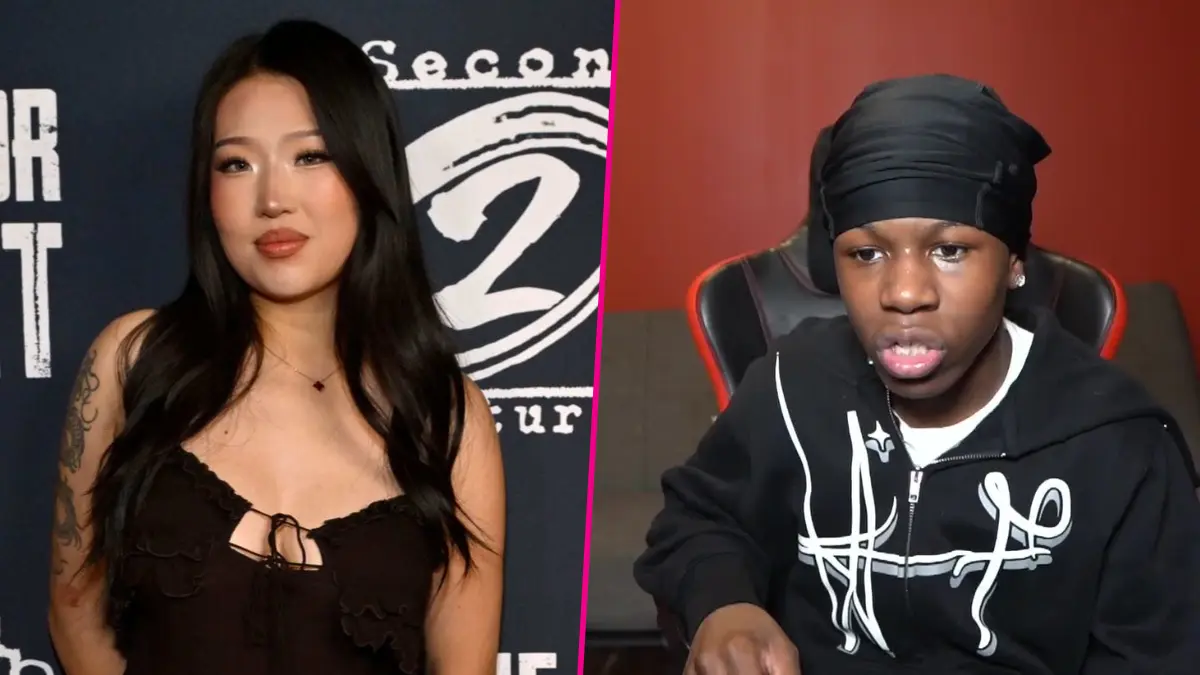
Nina Lin and RaKai are at the center of a major Twitch moderation controversy after broadcasting what appears to be shoplifting and sexual harassment during their livestreams.
Nina, known for IRL shopping content, has been captured in multiple clips at Target self-checkout stations appearing to scan some items while deliberately skipping others. The footage shows her bagging unscanned products while streaming to her audience. Later, she even bragged about it on stream.
Beyond the alleged theft, Nina also went viral for a separate incident where she touched a man on camera in what viewers widely characterized as sexual harassment or assault. The clip circulated across social media and became a key piece of evidence when critics argued she should face serious consequences from Twitch.
RaKai, a younger streamer often seen in Kai Cenat‘s orbit, faces his own set of violations. He was banned after allegedly streaming theft and engaging in dangerous behavior while driving.
As a minor at the time of some incidents, he also reportedly broadcast inappropriate sexual content and was filmed nearly crashing his car while looking down at his phone.
Initial screenshots suggested RaKai received a two-year suspension, but those images were later disputed as either edited or the result of a platform bug. The exact duration of Nina Lin’s ban remains unknown, but previous bans for the streamer didn’t last more than a few days.
Asmongold jumped into the debate, pointing fingers at Twitch’s moderation. He stated that if Nina receives a shorter ban while RaKai stays suspended longer, it would demonstrate racial bias in Twitch’s enforcement.
His logic is that both streamers broadcast criminal behavior on camera, but if the platform treats them differently based on identity rather than conduct, that reveals a double standard.
Twitch’s inconsistent ban policy
Twitch’s Terms of Service explicitly prohibit broadcasting illegal activity, sexual harassment, and content that endangers minors. The platform historically bans streamers who show clearly criminal acts.
But enforcement has been wildly inconsistent, with some popular streamers getting shorter bans than lesser-known content creators. The disparity raises questions about whether Twitch applies rules based on a streamer’s popularity or revenue potential rather than the severity of their violations.
As an Amazon subsidiary that reportedly operates at a loss, Twitch benefits from keeping high-engagement creators on the platform even when they generate controversy.

