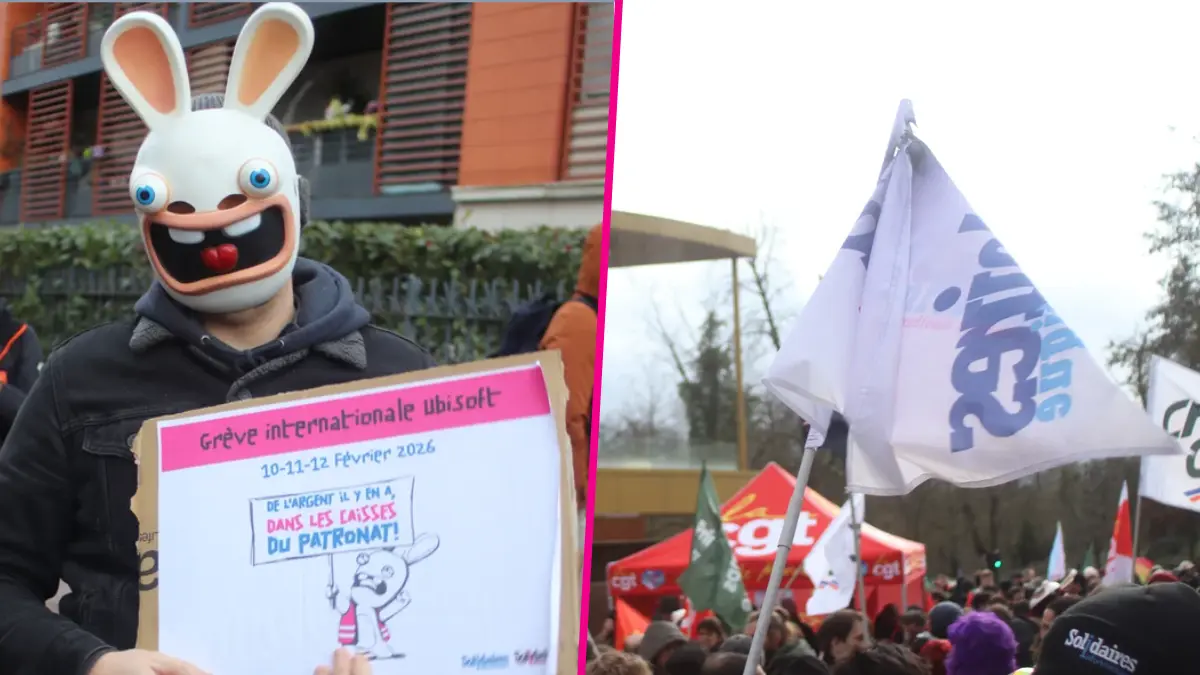
At least 1,200 Ubisoft workers participated in a strike action targeting the company’s ongoing restructuring efforts. The walkout represents a significant labor response from employees concerned about job security and working conditions as the gaming giant reorganizes its operations.
The strike is in France, where Ubisoft maintains major studio operations. French labor law offers stronger protections for striking workers compared to at-will employment systems in countries like the United States. This framework makes collective action more feasible and carries less personal career risk for participants.
Restructuring in the gaming industry typically involves multiple painful changes. Companies reorganize teams, consolidate studios, cancel projects, and impose hiring freezes. In many cases, restructuring leads to layoffs and severance negotiations. For a company the size of Ubisoft, which employs between 17,000 and 19,000 people globally, a 1,200-person walkout represents a notable but not total workforce action.
Ubisoft publishes some of gaming’s biggest franchises including Assassin’s Creed, Far Cry, Rainbow Six, and The Division. The company has faced financial headwinds in recent years alongside reputational damage from workplace culture scandals and misconduct allegations that became public in 2020. Multiple reports detailed toxic work environments and harassment issues, leading to leadership changes and investigations.
The timing of the strike matters for production schedules. Game development operates on tight milestone-driven timelines. Teams work toward vertical slices, alpha builds, beta testing, certification, and live service content drops. When art, engineering, or QA teams walk out, delays cascade through the entire pipeline. Live games that require constant monitoring and support become particularly vulnerable during labor actions.
How much the strike actually accomplishes depends on participation across critical teams, how long workers stay off the job, and whether management engages in negotiations. A one-day symbolic action sends a different message than an open-ended walkout that threatens actual production deadlines.

