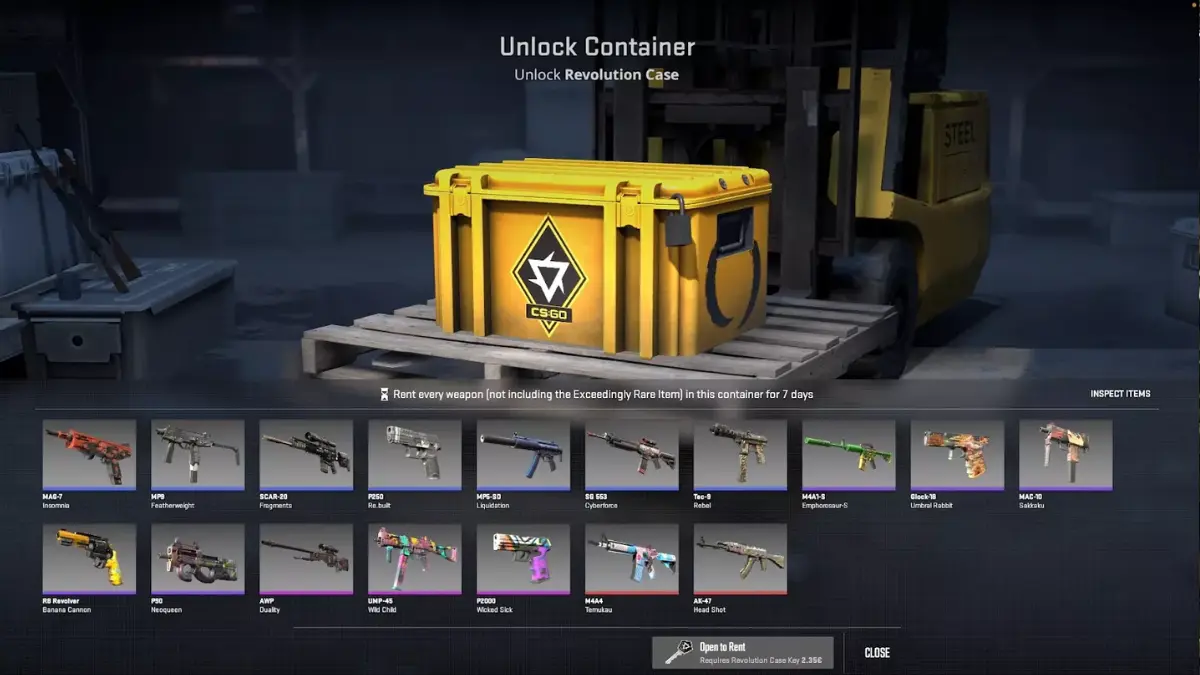
New York Attorney General Letitia James has filed a lawsuit against Valve alleging the company operates illegal gambling through its loot box systems. The suit targets Steam’s randomized item mechanics, particularly those in Counter-Strike, where players pay real money to open cases containing items that can be sold for actual value.
The core of the allegation is straightforward. Players buy keys to open cases containing randomized weapon skins. Some items are common and worthless. Others are rare and can sell for hundreds or thousands of dollars on marketplaces.
Valve runs the Steam Community Market where users buy and sell these items. Winners can convert their rewards into Steam Wallet funds, which work like store credit across Steam’s entire platform. The lawsuit claims this creates a gambling loop where players pay money for random outcomes with real-world value.
The complaint specifically calls out Counter-Strike‘s presentation. Cases open with slot-machine-style animations, showing items spinning past before landing on the final reward. According to the allegations, this mimics casino mechanics while being accessible to minors without age verification.
New York is seeking significant penalties. The state reportedly wants three times the amount Valve earned from loot boxes sold to New York residents. The lawsuit also pushes for court orders that could force Valve to modify or remove these systems entirely.
The case hinges on something other loot box systems avoid. Most games with randomized rewards don’t let players sell items or convert them to anything with purchasing power. Valve’s ecosystem does. Steam Market prices are public and trading volume is massive, especially for Counter-Strike skins.
Third-party marketplaces complicate things further. Sites exist where players can sell items for actual cash, not just Steam credit. While Valve doesn’t officially sanction these platforms, their existence reinforces the argument that Counter-Strike items carry tangible monetary value.
Counter-Strike isn’t alone. Dota 2 and Team Fortress 2 both use similar treasure chest mechanics with marketable items. The lawsuit’s scope could extend to Valve’s entire loot box ecosystem across multiple games.
Some countries already forced changes. Belgium treats certain paid loot boxes as illegal gambling. The Netherlands requires some games to show loot box contents before purchase. France has regional workarounds for Counter-Strike specifically.
This marks the first major US legal challenge to Valve’s monetization model. The timing matters. Counter-Strike 2 launched recently with the same case-and-key system intact. The skin economy continues growing, with rare items regularly selling for five-figure sums.

