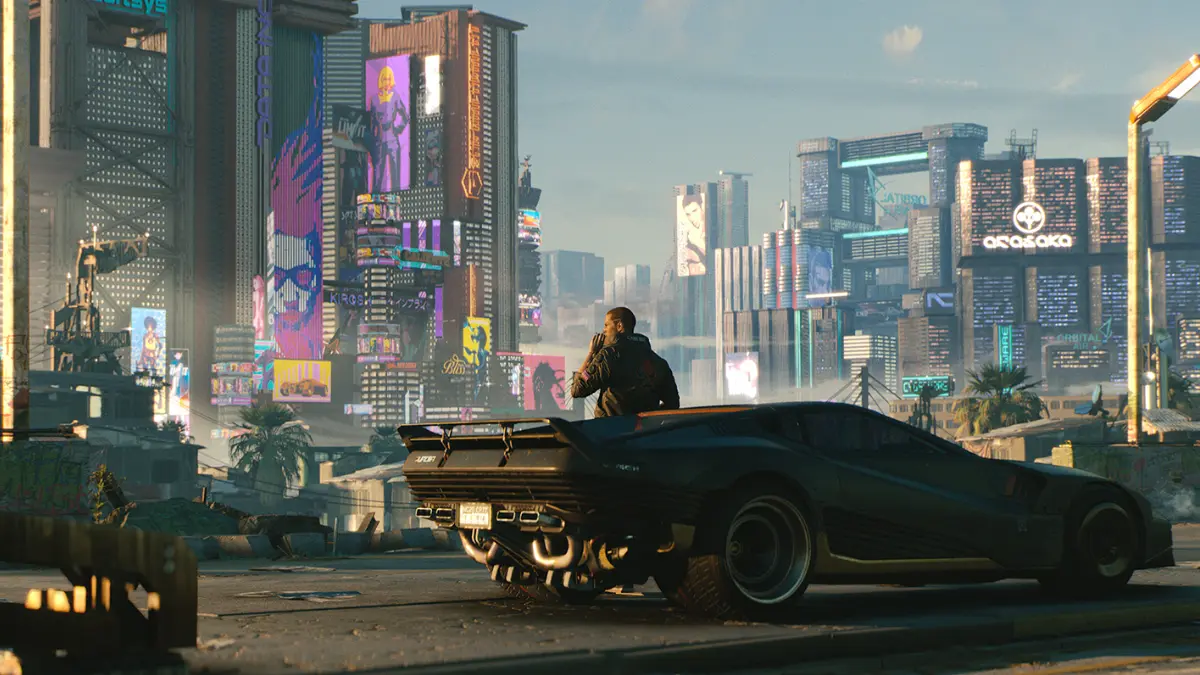
CD Projekt Red issued a DMCA takedown notice against a VR mod for Cyberpunk 2077 after the creator kept it locked behind a paid Patreon subscription. The company made clear it had no problem with the mod itself—just the paywall.
The mod in question was created by Luke Ross, known for developing VR conversion mods for multiple games through a Patreon-based distribution model. His VR framework allows players to experience flatscreen games in virtual reality by injecting VR functionality into the rendering pipeline.
CDPR reached out to Ross before taking legal action. According to a public statement from Jan Rosner, CDPR’s VP of Business Development, the company asked the creator to make the mod available for free while still allowing voluntary donations. This would align with CDPR’s fan content guidelines, which explicitly permit donations but prohibit locking fan-made content behind paywalls or subscription-only access.
Ross declined to change his business model. Rather than offer a free version of the Cyberpunk 2077 mod, he chose to remove it entirely after CDPR proceeded with the DMCA notice.
The distinction matters in modding circles. Accepting donations—whether through Ko-fi, Patreon tips, or similar platforms—has become widely accepted across the PC gaming community. Hard paywalls that require payment before access are a different story. They muddy the line between fan modifications and commercial products built on someone else’s intellectual property.
CDPR’s position reflects a common industry stance. Publishers generally tolerate or even encourage free modding as a way to extend their games’ lifespans. But selling access to mods raises legal and commercial concerns, particularly around derivative works and trademark use. Even when mods contain original code rather than extracted game assets, they often rely on the base game’s systems and are marketed using recognizable game imagery and branding.
Ross operates a universal VR framework that supports multiple titles rather than single-game mods. This structure may explain his reluctance to release the Cyberpunk 2077 component for free, as doing so could potentially open access to his other supported games. But from CDPR’s perspective, using their IP to market a paid product crossed the line.
This isn’t Ross’s first clash with a game publisher over paid VR mods. He’s previously faced takedown actions from Rockstar Games over VR conversions for Grand Theft Auto V and Red Dead Redemption 2. The pattern suggests major publishers view paywalled mods as requiring enforcement regardless of technical implementation.

