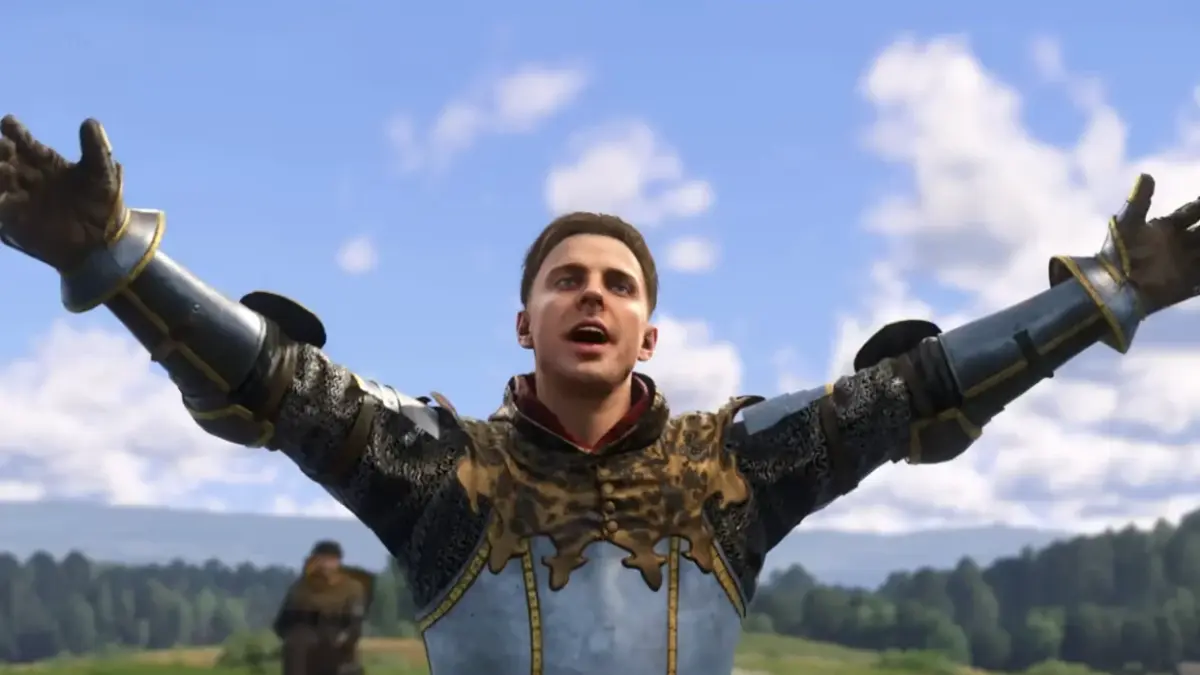
Kingdom Come: Deliverance II has crossed five million copies sold within its first year on the market. The milestone marks a major commercial win for Warhorse Studios and positions the historically grounded RPG as one of the year’s strongest single-player releases.
The figure represents substantial growth for the franchise. The original Kingdom Come: Deliverance sold approximately two million copies in its first year after launching in 2018. That makes the sequel’s performance roughly 2.5 times stronger out of the gate.
To put it in perspective, hitting five million in a year puts Kingdom Come: Deliverance II in rare company among premium single-player RPGs. Games with this level of simulation depth and slower pacing typically struggle to find mainstream audiences. The sequel’s success suggests a significant market exists for immersive, methodical RPG design.
Kingdom Come: Deliverance II takes place in medieval Bohemia and focuses heavily on historical authenticity. Players manage hunger, equipment wear, reputation systems, and complex crafting mechanics like alchemy and blacksmithing. Combat emphasizes timing and directional attacks rather than button-mashing.
The game has benefited from strong post-launch support. Warhorse Studios released the Mysteria Ecclesiae DLC as part of its expansion roadmap. Players are reporting playtimes exceeding 150 hours while still having content to explore.
Warhorse Studios, a Czech developer, built both games using CryEngine rather than switching to more common solutions like Unreal Engine 5. This technical choice gives the series its distinctive visual style and allows the team to maintain control over their simulation systems.
The immersion factor pays off
The sales milestone comes despite the game’s deliberately slow pace and steep learning curve. Early hours require players to learn basic combat through extensive training sequences. NPC schedules run on realistic timers. Saving requires specific consumable items.
These design choices create friction that many modern games avoid. But they also generate the deep immersion that has become the series’ calling card. Players describe the experience as closer to inhabiting a medieval character than simply controlling one.

