Sega has admitted to investors that its own business practices are working against it. In a recent Q&A session, the company acknowledged that consumer concerns about future “complete versions” of games are discouraging players from buying titles at launch.
The statement came in response to questions about why several recent releases have underperformed sales expectations despite strong critical reception. Sega specifically cited competition, launch pricing, and marketing issues as factors. But they also pointed to something more telling: players are holding back because they expect enhanced editions down the road.
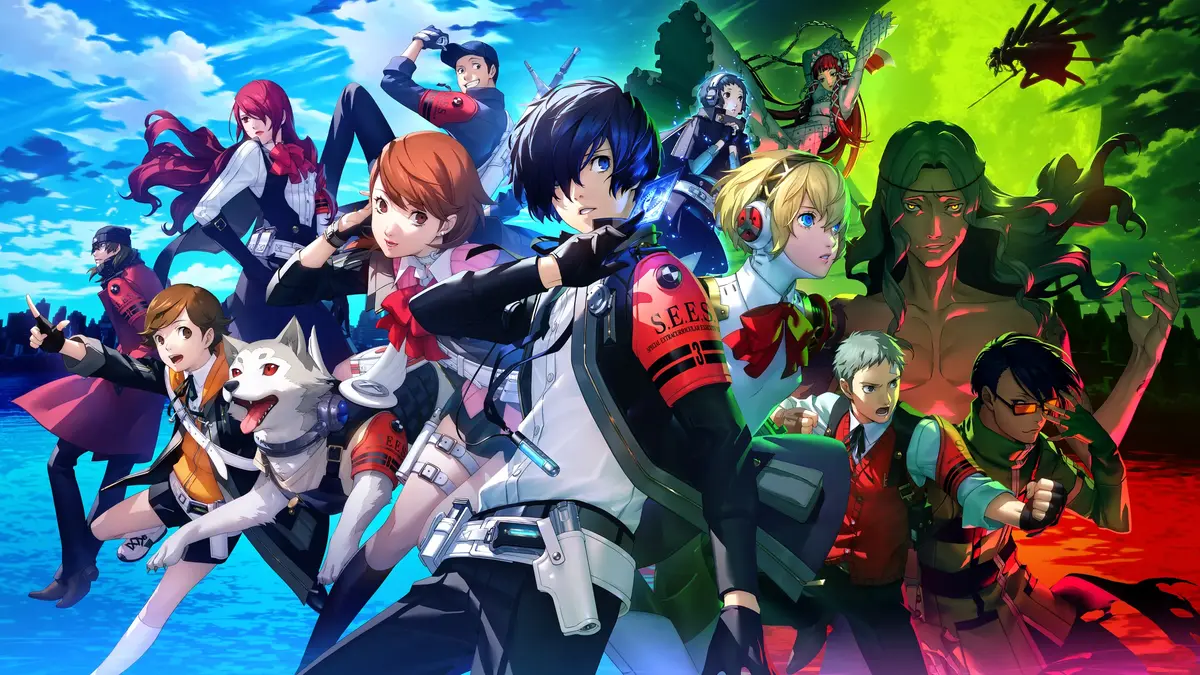
The elephant in the room is Atlus. While Sega didn’t name names in the Q&A, everyone knows what they’re talking about. For years, Atlus has released games and then followed up with expanded versions years later. Persona 3 FES. Persona 4 Golden. Persona 5 Royal. Shin Megami Tensei V: Vengeance. Catherine: Full Body. The list goes on.
These aren’t typical Game of the Year editions that bundle previously released DLC. They’re full-price standalone releases that add new characters, story arcs, dungeons, and mechanics woven throughout the entire game. And crucially, they don’t offer upgrade paths for existing owners. You pay full price again or you miss out.
The problem is amplified by how long these games are. A single playthrough of a Persona or mainline SMT game easily hits 80 to 120 hours. Most players only have time to experience one version. So if they suspect a better edition is coming in two or three years, they won’t buy it at launch.
Sega also distinguished between different release patterns in the Q&A. They noted that fiscal year 2024 saw strong catalog sales because late releases like Persona 3 Reload and Like a Dragon: Infinite Wealth maintained stable pricing into the following year. But in the current fiscal year, fewer major releases in the back half meant weaker ongoing sales.
The trust problem
The real damage here is to consumer confidence. Once players learn that buying at launch means paying to be a beta tester for the eventual definitive version, that behavior is hard to reverse. Even if Sega announces a policy change tomorrow, skeptical fans will wait to see if they actually stick to it.
For a company trying to build Persona into a global flagship JRPG brand, that’s a serious obstacle. Investor expectations are high after Persona 5‘s breakout success. But if players won’t bite at launch anymore, hitting those ambitious sales targets becomes much harder.

