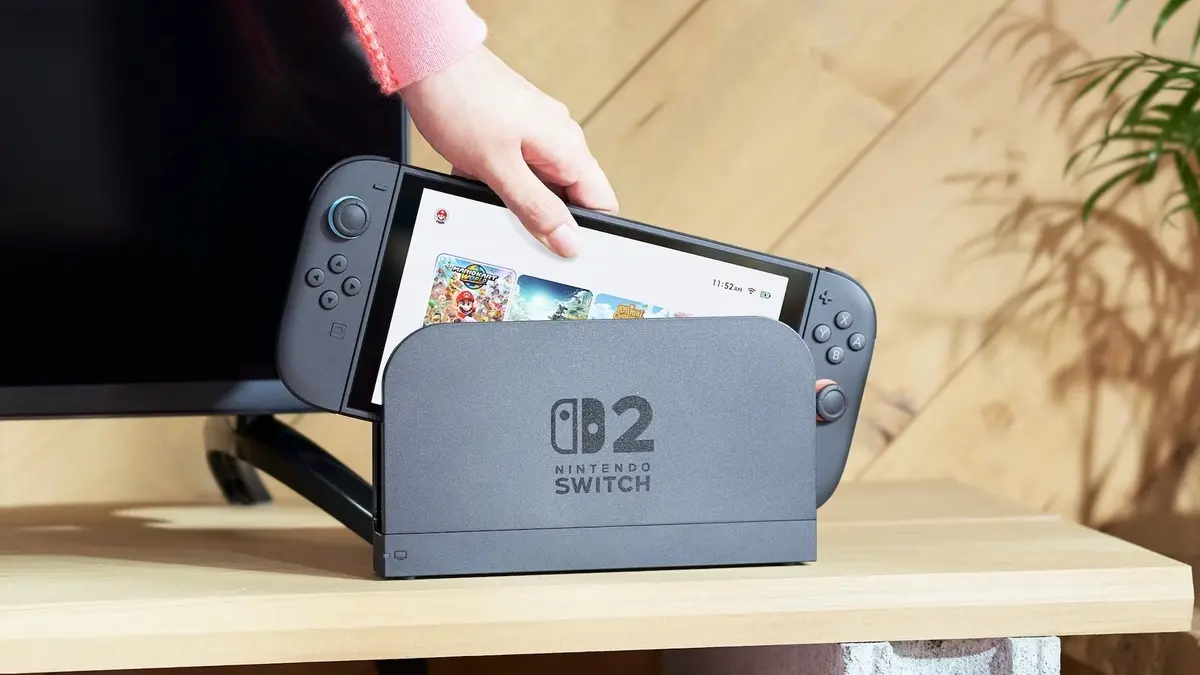
Nintendo is facing a consumer lawsuit in the US over tariff money that may soon be heading back into its pockets.
The case centers on a simple question: if Nintendo gets refunded for tariffs later ruled unlawful, who actually deserves that money?
Plaintiffs argue the answer is them. Their theory is that Nintendo raised prices during the tariff period to offset import costs, meaning shoppers already footed the bill. If the company now collects a government refund on top of that, they say Nintendo would be double-dipping.
The suit reportedly covers Nintendo purchases made in a window starting February 1, 2025, though the exact products and price hikes in question will be a central fight in court.
The pricing puzzle
Here’s where it gets messy. Tariffs are paid by the importer, in this case Nintendo of America, not directly by the customer at checkout. Shoppers never saw a line item labeled “tariff” on their receipts.
Nintendo also didn’t raise the base price of the Switch 2 console or its first-party games. Instead, the company bumped up prices on accessories and some older items, while publicly blaming broad “market conditions” rather than tariffs specifically.
Without a clear statement tying a specific price hike to a specific tariff, proving pass-through becomes a mess. Price increases also weren’t limited to the US, which makes it harder to argue American buyers were singled out.
Legal experts will point out that companies are generally free to set prices however they want. Raising a sticker price isn’t the same as charging a customs fee, and government refunds typically flow to whoever paid the duty, not to downstream consumers.
There’s also the retailer problem. Many buyers picked up their Switch gear from Best Buy, Walmart, Amazon, or GameStop, not Nintendo directly. Sorting out who sold what, at what price, and who absorbed which cost could turn any refund scheme into a logistical mess.
Still, the plaintiffs have a fairness argument that’s easy to understand. The government collected tariffs from Nintendo. Nintendo may get that money back. Consumers believe they already paid for those tariffs through higher shelf prices. They want a court to stop Nintendo from keeping both.

