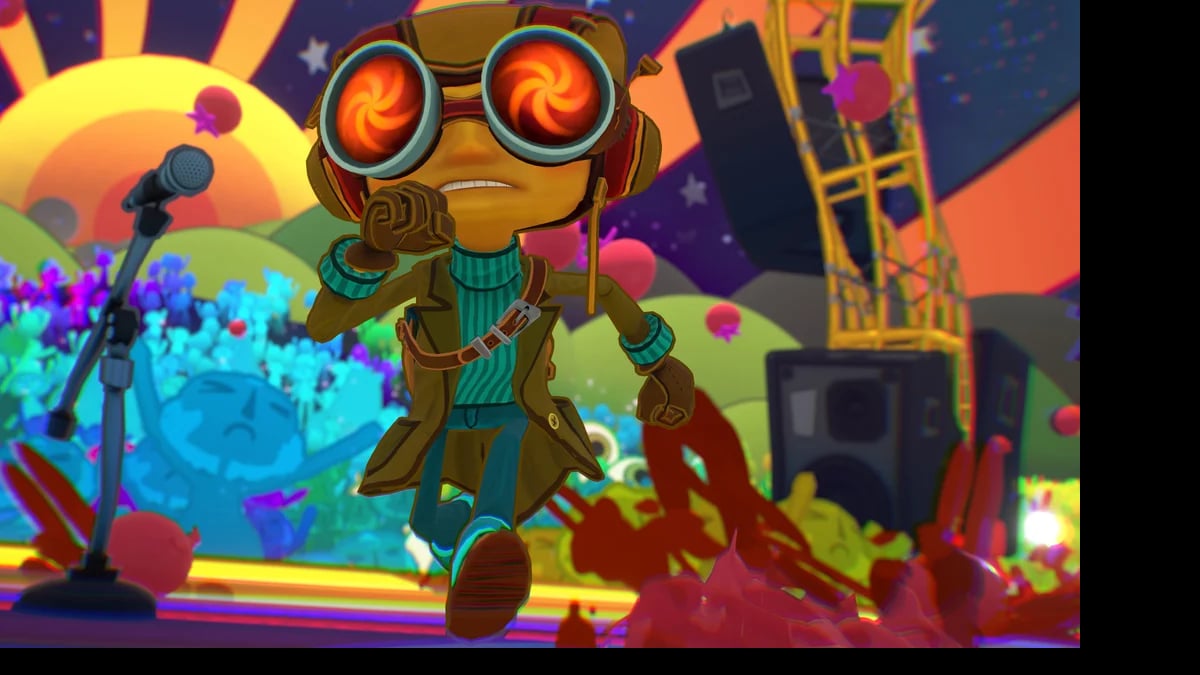
Double Fine Productions has laid off employees as the studio exits Microsoft’s Xbox organization and goes back to being independent.
Reports put the number at 23 people, out of a team of roughly 90 before the cuts. That would be about a quarter of the studio. Double Fine hasn’t publicly broken down which departments or roles were hit.
The San Francisco studio confirmed the layoffs in a short, plainly worded statement: a rare thing in an industry that usually buries bad news under paragraphs of corporate language.
Microsoft is letting go of the studio rather than shutting it down, which is what happened to Tango Gameworks (later picked up by Krafton) and Arkane Austin.
The biggest question is intellectual property. Does Double Fine still control Psychonauts and its back catalog? Does Microsoft keep publishing rights to anything made under Xbox ownership? Will those games stay on Game Pass? None of that has been spelled out.
Severance terms also haven’t been made public, and it’s unclear if Microsoft is funding any part of the transition.
Why the cuts happened now
Leaving a giant corporate parent means losing more than a paycheck guarantee. Studios inside Xbox get HR, legal, marketing, PR, QA, localization, and certification support handled centrally.
An independent Double Fine has to rebuild or outsource that. Layoffs during a spinout are usually about shrinking headcount to match a much smaller independent budget, especially with San Francisco salaries and office costs attached.
Microsoft bought Double Fine in June 2019, mid-development on Psychonauts 2. That game had been crowdfunded on Fig and lost its publishing partner when Starbreeze imploded. Schafer has said Microsoft’s money let the team restore content that had been cut, including boss fights.
Psychonauts 2 shipped in August 2021 to strong reviews and awards attention. Since then the studio put out Keeper and revealed Kiln, neither of which turned into a mainstream hit.
Nothing suggests Double Fine is closing or that any project has been canceled. The studio hasn’t said whether it plans to self-publish, chase a publisher deal, or look for investment, a tough ask when funding across the games industry has dried up.
For now, 23 people are out of work, and one of the most distinctive studios in gaming is on its own again for the first time in six years.

