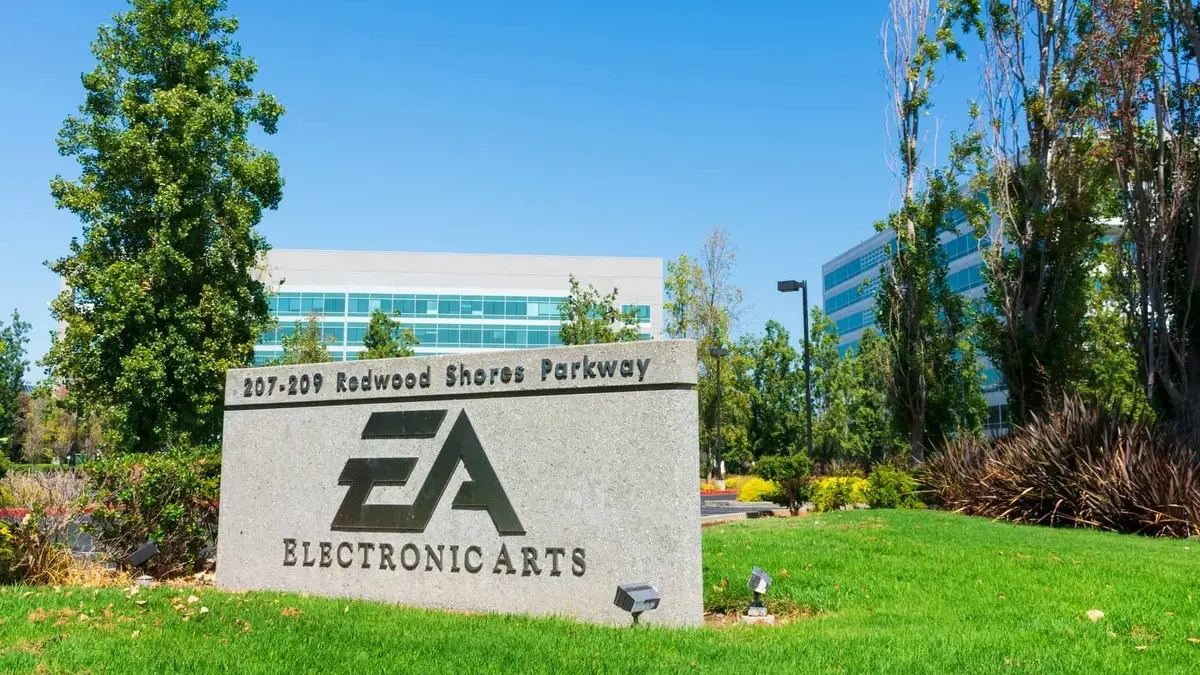
Electronic Arts is no longer a public company. The buyout closed, the shares are gone from Nasdaq after roughly 36 years, and shareholders are being paid $210 in cash per share.
What comes next is the part employees are watching. EA has reportedly told debt investors it plans to cut $700m in annual costs. Around $170m of that is described as “organizational efficiencies.”
That’s corporate language, and it usually points toward restructuring. But EA hasn’t confirmed layoffs, named any studios, or given a number for jobs at risk. Nothing official has been published about who or what is affected.
The remaining ~$530m in savings hasn’t been broken down either. It could come from marketing, office space, contractors, project budgets, or anything else EA decides to trim.
EA is reportedly taking on roughly $18bn in debt as part of the deal, which was valued at around $55bn when it was announced. That makes it one of the largest leveraged buyouts ever done.
Schreier’s figures put annual interest at roughly $1.8bn against EBITDA of about $1.5bn. Those numbers don’t line up neatly, and Schreier himself noted they’re ballpark estimates, with EA’s earnings expected to look different in the relevant fiscal year. Interest costs also depend on rates, terms, and refinancing, none of which have been publicly confirmed in detail.
Still, the direction is clear. Interest payments are contractual. Game budgets aren’t. A company carrying that much debt has far less room to absorb a flop.
The buying group is led by Saudi Arabia’s Public Investment Fund alongside Silver Lake and Affinity Partners, with JPMorgan reported as a key lender.
EA has been here before
Cost cutting isn’t new territory for the publisher. EA reduced its workforce by about 6% in 2023, widely reported as roughly 800 people, then by around 5% in 2024, roughly 670 jobs, alongside office and project changes.
EA’s portfolio includes EA Sports FC, Madden, College Football, The Sims, Battlefield, Apex Legends, Need for Speed, Mass Effect, Dragon Age, Star Wars Jedi, and Skate. Its sports and live-service titles generate the most predictable recurring revenue, which tends to matter more when a company is focused on cash flow.
There is no internal memo, no WARN filing, no severance details, and no timeline attached to the savings plan. It’s also unclear whether the $700m is a gross target or net of restructuring costs, and by when it must be reached.
Until EA answers those questions, “organizational efficiencies” stays exactly as vague as it sounds.

