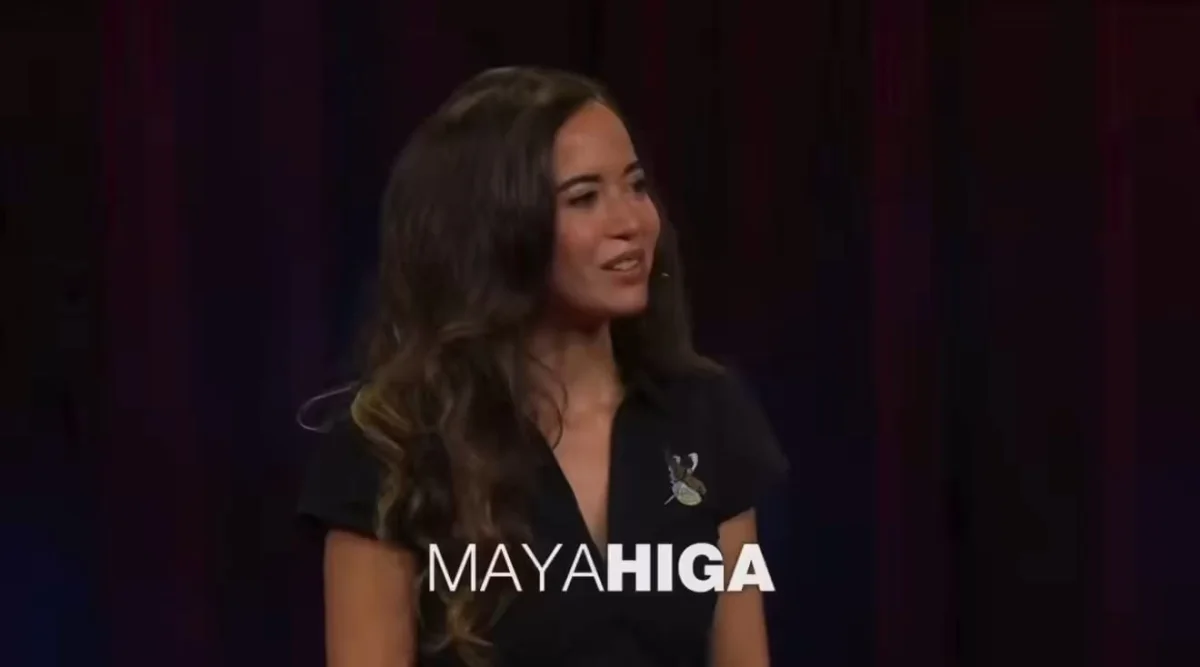
Maya Higa has officially stepped beyond Twitch. The Alveus Sanctuary founder took the main stage at TED’s flagship conference in Vancouver, delivering a talk on wildlife conservation and the role of the internet in protecting it.
It’s a rare crossover moment between livestreaming and one of the world’s most recognizable public-speaking platforms, and it puts Alveus in front of an audience well outside its usual Twitch reach.
View on Threads
Higa’s central argument was simple: people don’t need to physically stand next to an animal to care about it. Livestreams, digital storytelling, and online education can build real emotional connection and drive conservation support, all without putting extra stress on the animals involved.
That distinction sits at the core of how Alveus operates. The Texas-based sanctuary houses rescued and non-releasable animals that aren’t suited for constant public traffic.
Unlike a zoo, which is built around visitor access, Alveus is built around the animals, with the internet doing the heavy lifting on education and outreach.
Higa walked the TED audience through that model, framing online-first conservation as a way to scale awareness and fundraising without scaling animal stress.
Why TED matters here
TED’s main conference is a different beast from the locally licensed TEDx events many creators have appeared at over the years. The flagship event is centrally curated, internationally broadcast, and tightly produced, which makes a slot on that stage a serious credibility boost.
For Alveus, that means exposure to donors, philanthropic networks, and audiences who may never have opened Twitch in their lives. For Higa personally, it’s a clear step into leadership territory, building on years of nonprofit work, animal advocacy, and conservation streams.
Higa built her following on Twitch through wildlife education, falconry content, and animal-care streams, eventually founding Alveus as a sanctuary and virtual education center in Austin.
The operation now combines rescue work, livestreamed lessons, creator fundraising drives, and collaborations with other major streamers to push conservation content to audiences that traditional media struggles to reach.

