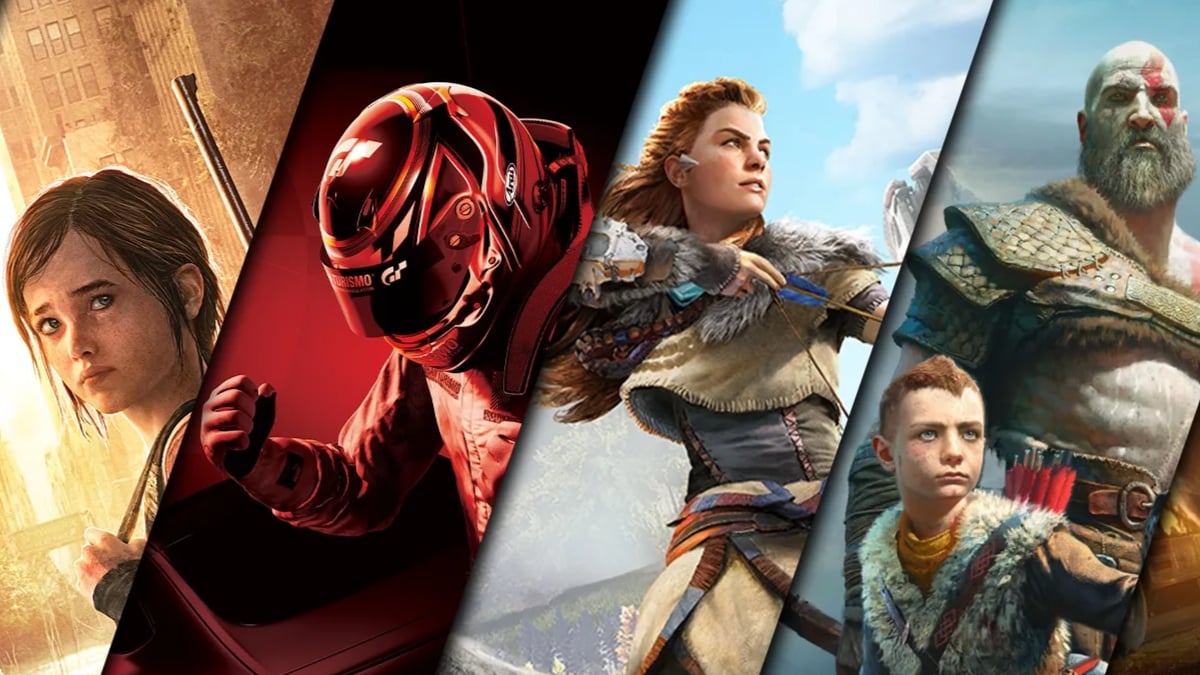
PlayStation’s first-party game sales have dropped sharply since hitting a high point in fiscal year 2020, with unit numbers sliding through the PS5 era and taking a particularly steep dip in FY2024.
The 2020 spike was no accident. That year alone Sony pushed out The Last of Us Part II, Ghost of Tsushima, Spider-Man: Miles Morales, the Demon’s Souls remake, and Sackboy: A Big Adventure. Four of those landed on the PS4, which had already crossed 100 million units sold.
Add in pandemic lockdowns, an entertainment-starved audience, and the PS5 launch hype, and you get a perfect storm that’s nearly impossible to repeat.
The PS5 era simply hasn’t matched that cadence. Naughty Dog, Santa Monica, Guerrilla, Sucker Punch, and Insomniac are all working on longer, more expensive projects, leaving gaps in the release calendar that remasters of Horizon Zero Dawn, The Last of Us Part II, and Days Gone haven’t fully filled.
Early PS5-exclusive titles also launched into a smaller install base, hurt by years of supply shortages that only really eased in 2023. Selling to PS5 owners in 2021 was never going to match selling to 100 million PS4 owners.
Pricing hasn’t helped either. Sony pioneered the $80 USD standard for PS5 first-party games, with European prices hitting €79.99, UK prices around £69.99, and Australian retailers asking $120–$130 AUD. With the euro and pound shifting against the dollar, regional players are effectively paying more than ever.
Saros, Housemarque’s follow-up to Returnal, has become the poster child for the pricing complaint. A premium-priced roguelite on a single platform is a tough sell when Hades II, Hollow Knight, and similar titles cost a fraction of that.
Then there’s the live-service experiment. Sony bet big on GaaS, acquired Bungie, and lined up multiple projects. Concord launched and died in days. Several other live-service titles were quietly cancelled or scaled back. Resources that could have gone into traditional single-player games went into bets that mostly didn’t pay off.
The big exception is Helldivers 2, a genuine hit for Sony as publisher, though Arrowhead isn’t Sony-owned, which muddies how it gets counted in first-party totals alongside Stellar Blade, Rise of the Ronin, and Death Stranding 2.
Sony’s PC strategy adds another wrinkle. Delayed PC ports bring in extra sales but don’t help launch-window unit counts, while day-one PC releases like Helldivers 2 show what’s possible when the company commits.
The decline isn’t one thing. It’s a thinner release slate, a longer PS5 ramp-up, premium pricing in weak currency markets, a costly live-service detour, and a player base increasingly happy to wait for a sale.

