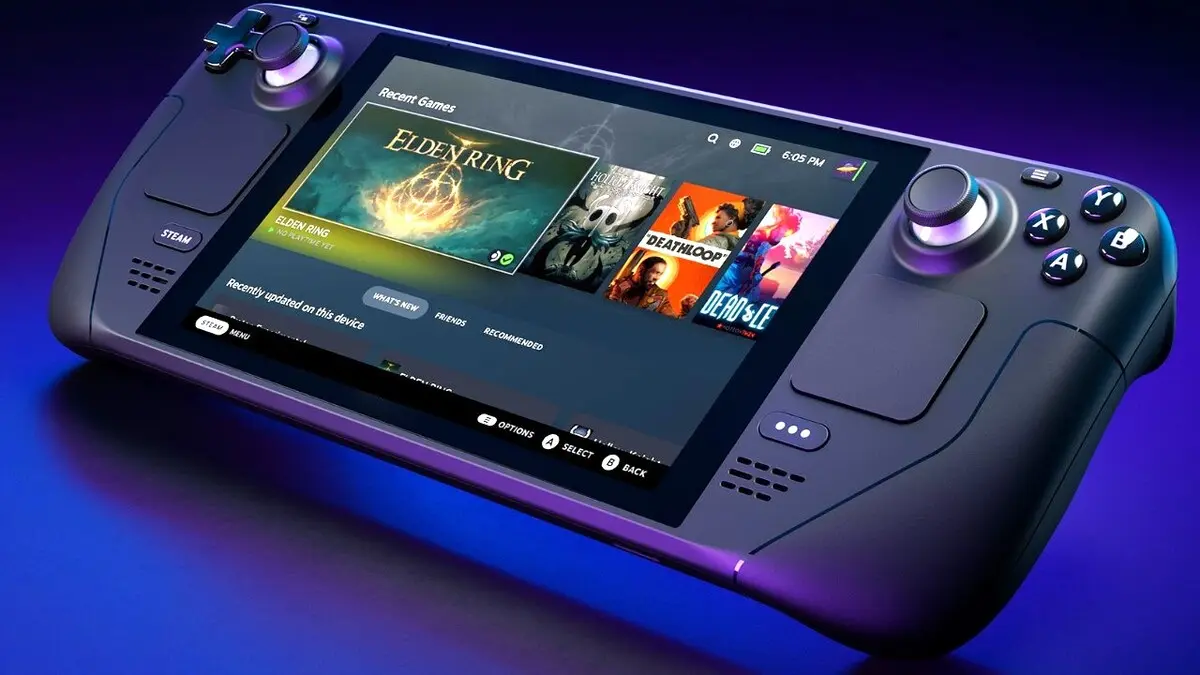
Valve’s Steam Deck is back to being sold out, just a short time after returning to stock with a noticeably higher price tag.
The handheld had been hard to find for weeks before Valve refilled inventory at the new pricing. That stock didn’t last long. Shoppers cleared it out fast, even though the device now costs significantly more than it did at launch.
The price jump was steep. In the US, top configurations are pushing toward and past the $900 mark, putting the Steam Deck within touching distance of more powerful Windows handhelds.
That’s a big shift for a device whose entire reputation was built on being the affordable entry point into handheld PC gaming. The original LCD Steam Deck started at $399 back in 2022, and the OLED refresh kept Valve’s aggressive pricing strategy intact.
At the new numbers, the ASUS ROG Ally X and the upcoming Xbox Ally X suddenly look like genuine alternatives rather than premium options. The standard Ally X sits around $900, and the Xbox-branded version is roughly $50 above the comparable Steam Deck SKU.
Despite all that, the restock vanished. Some buyers managed to grab one before stock dried up again, and availability seems to have wobbled in and out across regions.
The Steam Deck also climbed Steam’s top sellers chart in several countries, reportedly outranking new releases like 007 First Light and Forza Horizon 6. Worth noting though, that chart tracks revenue, not units. A single $900 hardware sale carries the weight of around 18 copies of a $50 game.
The “sold out” asterisk
Here’s the catch. Valve doesn’t share restock numbers, so nobody actually knows how many units hit the store. A small drop selling out quickly looks identical to a large drop selling out quickly from the outside.
What’s clear is that demand for the Steam Deck hasn’t evaporated at the higher price. Pent-up buyers who waited through the dry spell, fears of further price hikes, and Valve’s tight grip on the SteamOS ecosystem all likely played a role.
Valve hasn’t officially explained the increase, though rising memory and storage costs across the consumer electronics market are widely seen as a major factor. Rival handheld makers may face the same pressure once their current inventory runs out.

