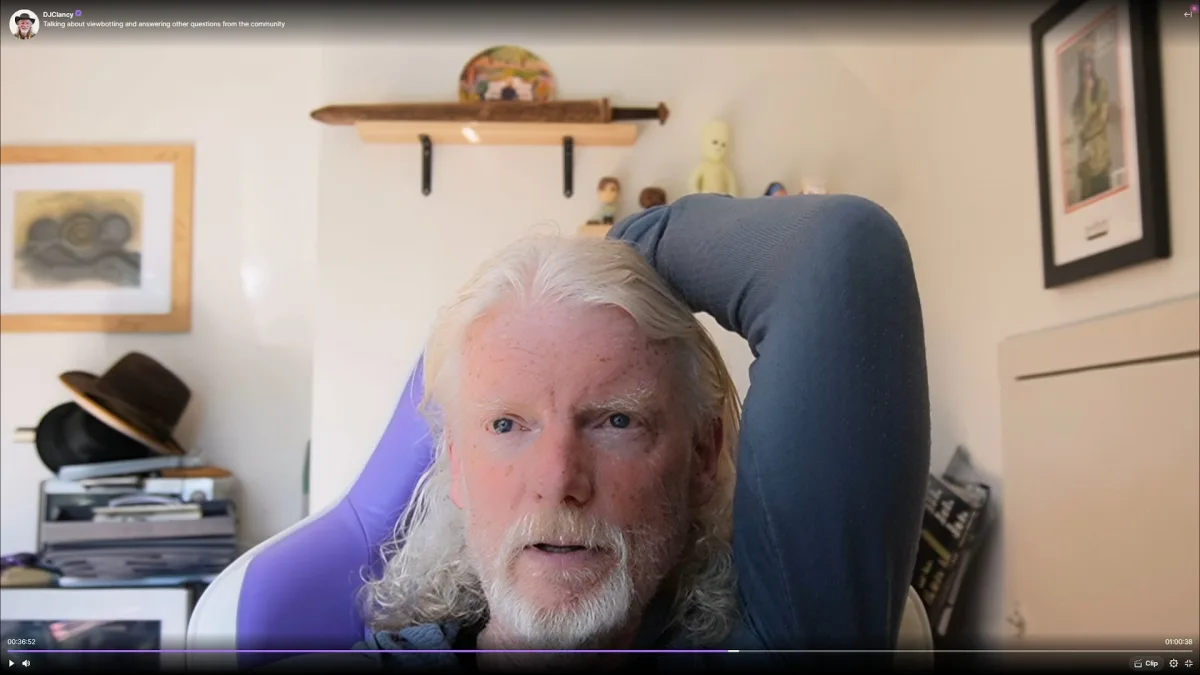
Twitch CEO Dan Clancy stepped in front of the camera to explain how the platform actually decides how long a suspension lasts, just as fresh attention landed on Destiny’s long-running ban.
Clancy laid out the factors Twitch weighs before slapping a streamer with a timeout or pulling the plug entirely. The big ones: how severe the violation is, whether the user has broken the same rule before, and how recently those past offenses happened.
View on Threads
“We also increase the length of a suspension based upon repeat offense of the same violation,” Clancy said, adding that Twitch has “adjusted a lot of policies around that” over time.
In short, Twitch runs an escalation model. Minor slip-ups get short suspensions. Repeat offenders, especially those who keep tripping over the same rule in a tight window, climb the ladder toward longer bans or permanent removal.
The Destiny trigger
The timing is no coincidence. Destiny, indefinitely suspended from Twitch back in 2022, reportedly saw his account flicker back to life before being slammed shut again shortly after. Clancy reportedly chalked the brief reinstatement up to human error.
Destiny remains one of the most discussed long-term bans on the platform. The political streamer built his audience on debate content before moving to Kick following his Twitch removal. Any sign of his account returning, even briefly, was always going to set off alarms.
Clancy’s explanation describes a textbook escalation system used across most major platforms. The catch is that Twitch rarely shows its work. The company almost never publishes the specific reasoning behind individual bans, leaving viewers to piece together moderation decisions from clips, screenshots, and streamer statements.
That gap between stated policy and visible outcomes is exactly why every high-profile ban turns into a guessing game, and why a CEO explaining the rulebook still leaves plenty of people unconvinced.

