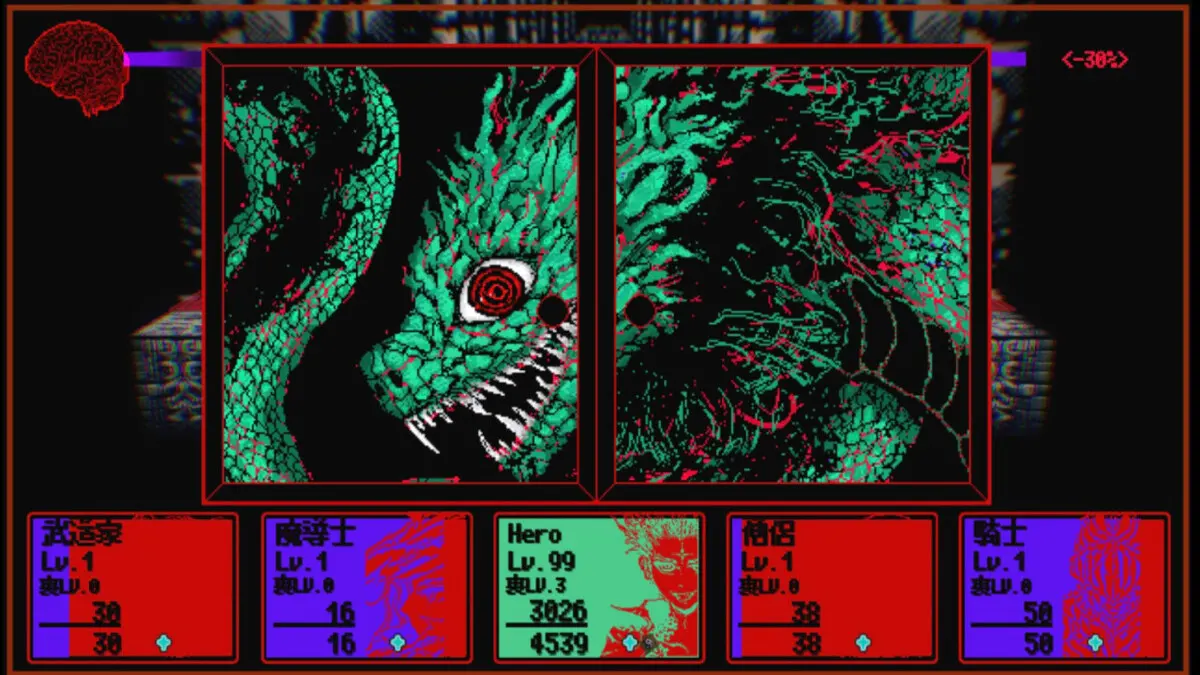
A Japanese solo indie developer known as SHIGEFUSA.WORKS says they spent roughly 16 months in talks with a publisher, only to be turned down at the end over a wishlist count the publisher already knew about from the very first conversation.
According to the developer, the publisher repeatedly pushed back its final decision while continuing to ask the developer to respond to requests connected to the potential deal.
After about 16 months, the answer was no.
The stated sticking point was the game’s storefront wishlist total, reportedly sitting at around 10,000. The number hadn’t grown much during the negotiation period. The developer says that same figure was handed over to the publisher when the two sides first made contact.
So the issue wasn’t that the publisher discovered something new. It was that nothing had changed.
The developer’s complaint isn’t that the game was rejected. Publishers pass on projects all the time. The frustration is that the decision seemingly could’ve been delivered in weeks rather than well over a year, and that the process kept moving forward without any firm commitment.
The developer said they wished publishers would treat developers’ limited time and lives with more care.
For a solo creator, 16 months is a serious chunk of a game’s production cycle. Publishing uncertainty touches nearly every plan: whether a release date can be announced, whether localization is affordable, whether console ports are realistic, whether contractors can be hired, and when marketing should start. There’s no business development department to absorb the back-and-forth. Every email and every requested document comes out of development time.
The wishlist trap
Steam wishlists are one of the main signals publishers use to guess at pre-release demand. Publishers look at the total, but they often care more about growth rate, spikes after festivals and demos, and whether marketing is actually converting attention into follows.
That creates a familiar squeeze for indies. Developers approach publishers because they need marketing money and reach. Publishers increasingly want proof the audience already exists before they commit.
Around 10,000 wishlists isn’t a disaster by itself, and conversion to sales varies wildly by genre, price, and launch timing. A flat line, however, tends to make a finance team nervous.
What remains unclear is whether the publisher ever told the developer that wishlist growth was the condition for signing, and whether any target number was ever set.

