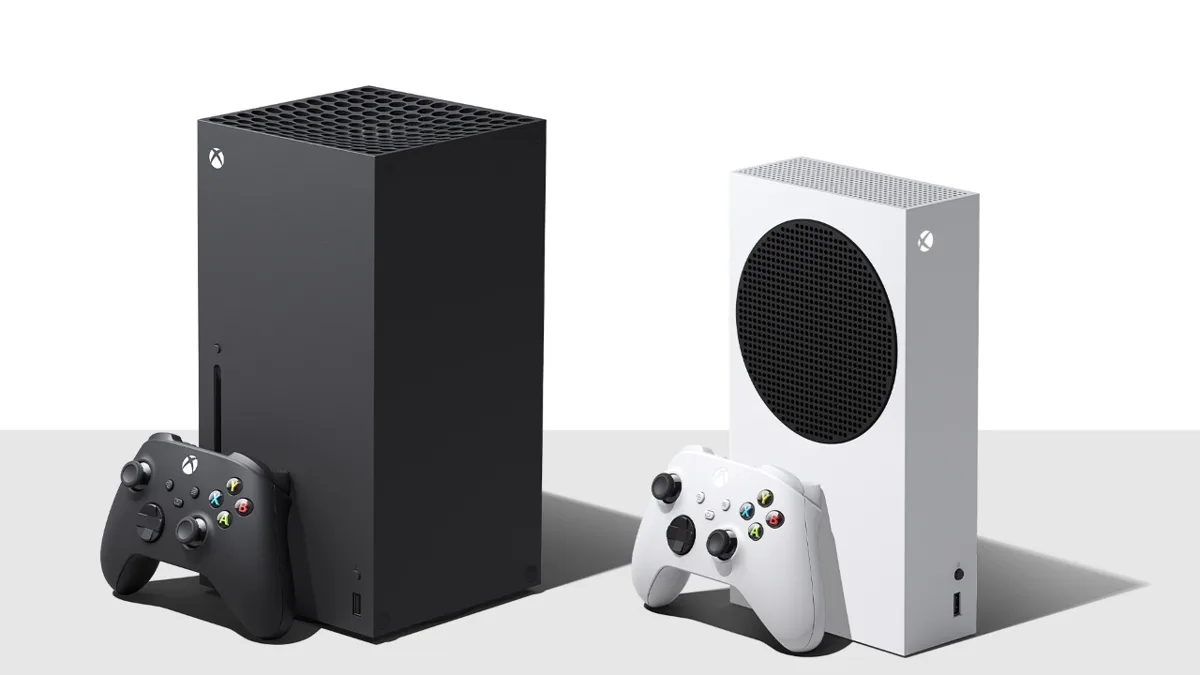
A Japanese game developer has openly admitted their studio skips Xbox versions of their games for one simple reason: the console isn’t even stocked in major retail stores across Japan.
The decision to skip Xbox versions is pure business. No shelves means no visibility. No visibility means no hardware sales. No hardware sales means no install base worth porting a game for.
Xbox has never cracked Japan. Sony and Nintendo have dominated the market for decades thanks to local brand loyalty, deep retail relationships, and strong publisher support. Even the Xbox 360 era, often considered Microsoft’s strongest international run, barely registered there.
A walk through Akihabara, Tokyo’s gaming district, tells the same story. Reports from recent visitors describe little more than a small screen advertising Game Pass tucked into a corner. No consoles. No games. No real presence at all.
For smaller and mid-sized Japanese studios, this matters. Adding an Xbox version of a game costs money in porting, certification, and QA. If the install base is too small to recover those costs, the platform gets cut from the plan. JRPGs, niche titles, and mid-budget releases are especially sensitive to this math.
The retail issue also appears to stretch beyond Japan. Xbox hardware availability has reportedly thinned out at major retailers in parts of Europe, Canada, Korea, and even at U.S. big-box chains like Target and Costco. In Korea, PlayStation has dedicated retail stores while Xbox stock is basically nowhere to be found.
It creates a feedback loop. Low demand leads to less shelf space. Less shelf space kills visibility. Lower visibility drops sales further. Developers see the shrinking audience and walk away.
Microsoft’s recent strategy has leaned heavily into Game Pass, PC, and cloud gaming rather than fighting for retail floor space. That shift makes sense for the company’s long-term ecosystem play, but it leaves third-party developers staring at a console that is increasingly hard to find in physical stores.

