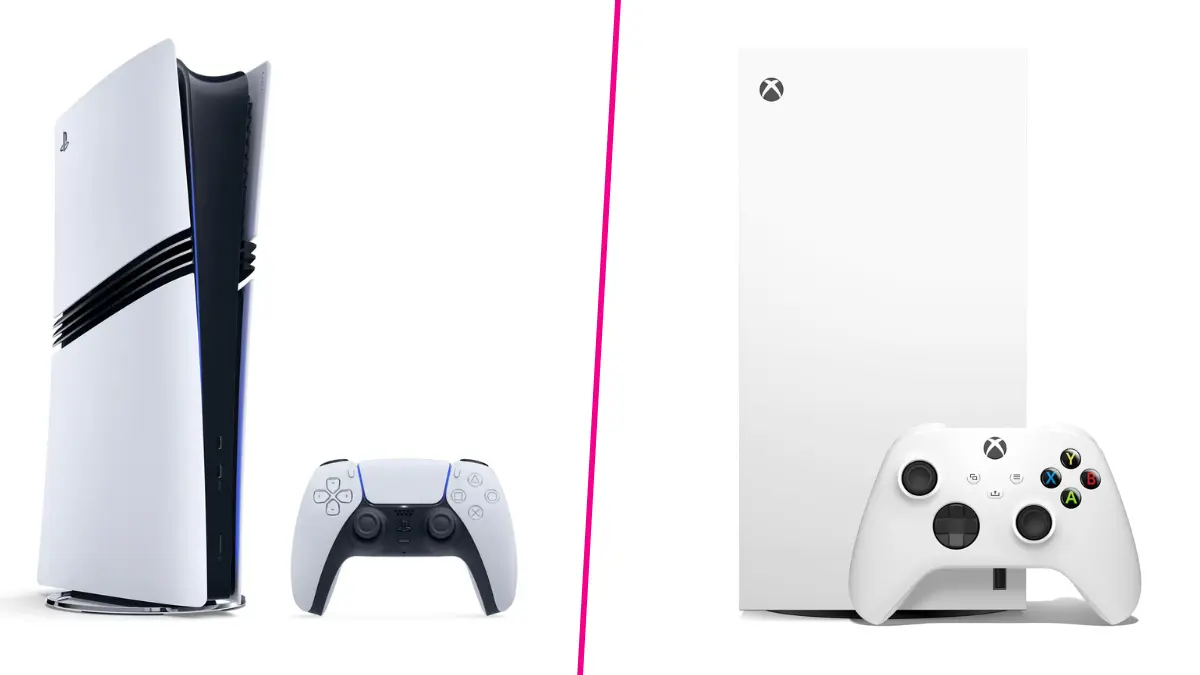
Sony and Microsoft have reportedly said they’re under no legal obligation to hand potential U.S. tariff refunds back to customers. Nintendo said much the same thing earlier.
The position isn’t “we’ll never give you anything.” It’s narrower than that: the companies argue no law forces them to trace refund money back to individual console buyers.
A tariff is a tax on imported goods, paid at the border by the importer of record. That’s usually a company’s U.S. subsidiary or a distributor, not you. Nobody at Best Buy charged you a separate tariff line on a PS5.
So when a tariff bill gets paid, the government’s counterparty is the importer. If that tariff is later refunded, the money legally goes back to the importer too. There’s no built-in mechanism sending it down the chain to the person who bought a console at retail.
The math nobody can actually do
Even if tariffs pushed prices up, working out each buyer’s share is a nightmare.
Consoles move through retailers, wholesalers, marketplaces, and independent shops. The manufacturer often knows which store bought a pallet, not who walked out with the box. Add bundles, discounts, loyalty points, cash purchases, gifts, resales, and lost receipts, and the paper trail disappears fast.
Units in the same product line may also have been imported at different times, at different rates, from different factories, before or after a price change.
And not every price hike was a tariff hike. Microsoft raised Xbox Series X/S prices globally in May 2025, citing development and market costs. Sony raised U.S. PS5 prices in August 2025, pointing to a “challenging economic environment.” Nintendo raised prices on original Switch hardware and accessories, and a later Switch 2 adjustment was tied to component and memory costs rather than trade policy.
Memory prices, freight, currency swings, and retailer margins all move console pricing. Untangling exactly how many dollars were tariff dollars isn’t something any of these companies want to do in public.
The whole question exists because the legality of the U.S. tariffs imposed under emergency powers has been challenged in court. If those tariffs are ultimately struck down, importers across every industry could be owed money back. That process isn’t finished, and refunds aren’t automatic.
None of that stops any of the three from cutting prices, dropping a promotion, or handing out store credit if they want to. They just say they don’t have to.

