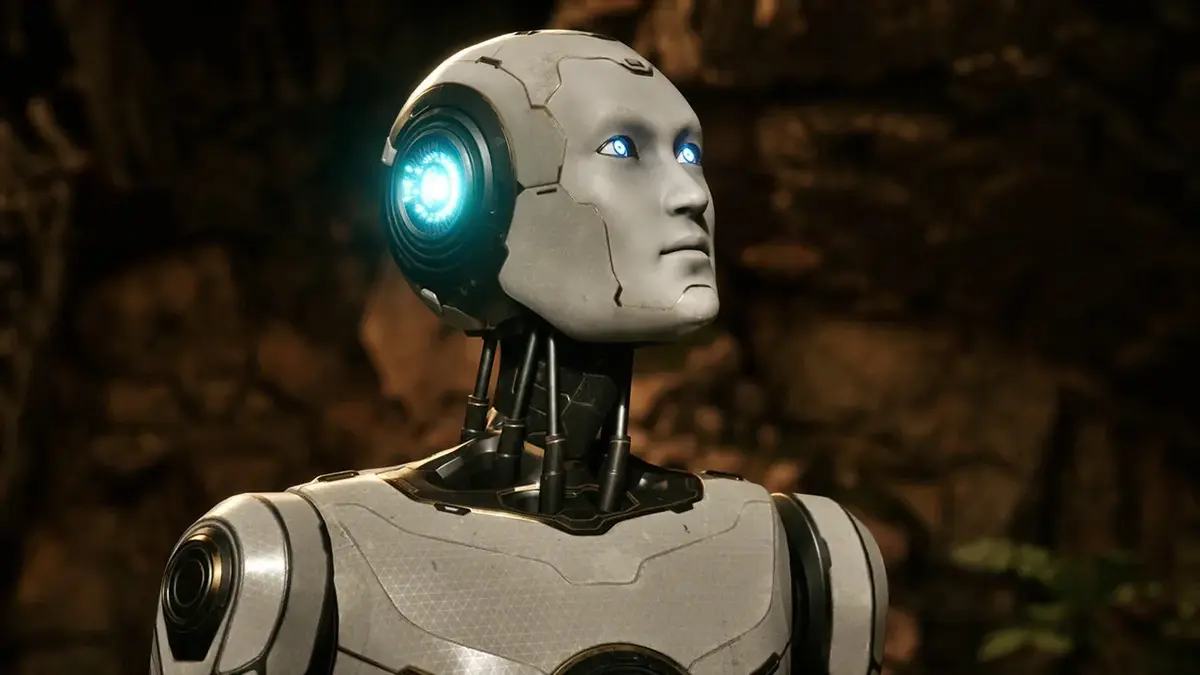
The writers behind Croteam’s upcoming puzzle game The Talos Principle III have taken a hard swing at generative AI in a new interview with Game Informer.
Writer Jonas Kyratzes stated: “In the current system that we have, it’s just a plagiarism machine that makes people lose their jobs.”
Kyratzes also called the underlying technology “very, very impressive” and said machine learning has “tremendous applications.” His problem isn’t the math. It’s who owns it, what it was trained on, and what companies actually do with it.
His argument: the most useful versions of this tech probably aren’t the ones businesses rush to build. Companies chase fast commercialization, lower costs, fewer workers, happy investors, and a higher stock price. He described a lot of the surrounding hype as “excessive quasi-religious claims” that don’t match reality, and suggested some of it exists mainly to “juice up the stock market.”
The interview also spends real time on labor. The point raised is that AI layoffs aren’t purely a technical inevitability: they’re a decision. Owners get to deploy new tools without negotiating, then keep the productivity gains. Automation could mean less boring work and more free time. Instead, workers currently have very little power to push back.
Kyratzes’ warning is blunt: applying machine learning so a tiny group of people can make enormous amounts of money “will not end well.” Used “for the benefit of humankind,” it could be a different story.
A thesaurus with extra steps
He’s not refusing to touch the stuff, either. Kyratzes said he’s experimented with generative tools, partly so his opinion would be based on actual experience. He found narrow uses: finding a rhyme, digging up a word he couldn’t remember, basically treating it like a thesaurus.
The catch, he said, is that you need to already know the subject well enough to spot when the output is wrong or simply bad.
Nothing in the interview says Croteam has banned AI tools from production, and no formal studio policy has been announced.
The comments land in an interesting spot given the series’ subject matter. The Talos Principle, released in 2014, dropped players into a simulation run by the voice of Elohim, with the sarcastic Milton Library Assistant poking holes in their beliefs about personhood and free will. The Talos Principle 2 (2023) jumped forward to New Jerusalem, a city of robotic successors to humanity, following citizen 1K as its cast argued over progress, risk, and how far a society should be allowed to grow.
Those fictional machines are self-aware people. Today’s generative models are statistical systems trained on huge piles of existing work. Criticizing one doesn’t mean rejecting the other.

