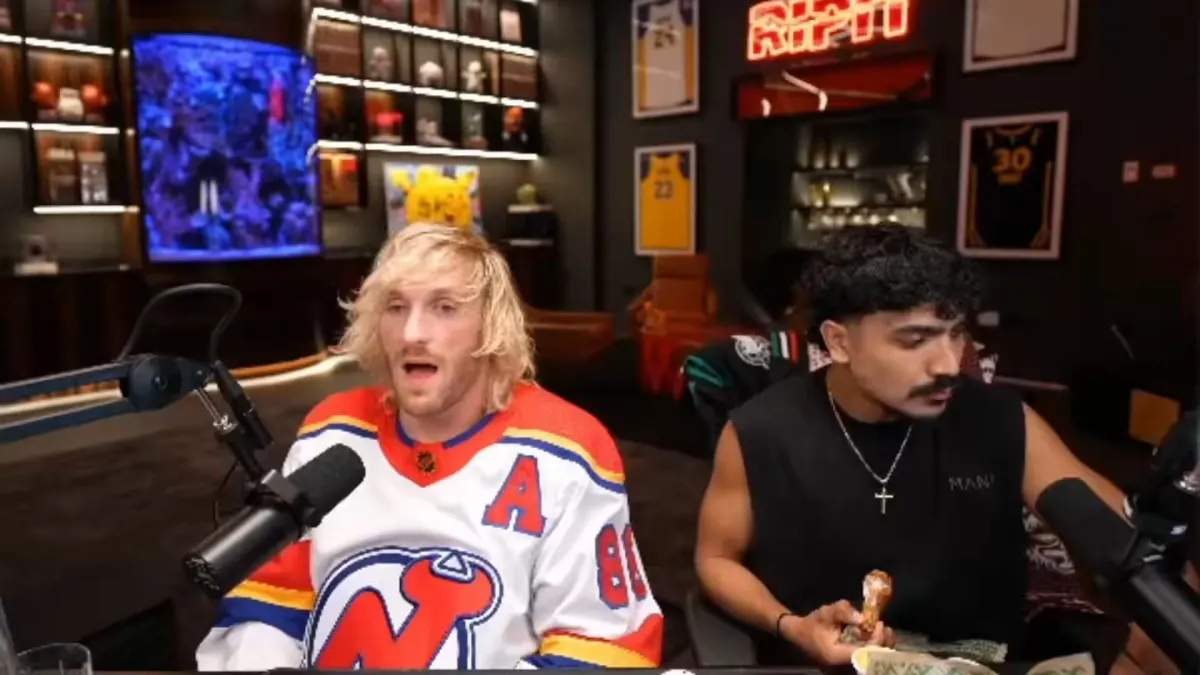
Logan Paul said that he lost $250,000 in a deal that turned out to be a fraud.
Some viewers have connected Paul’s story to a recent report about investors who thought they were buying pre-IPO shares in OpenAI, SpaceX, xAI, and Kraken.
According to how the report has been summed up online, the alleged scheme took millions of dollars from investors. But nothing so far confirms that Paul put money into that same scheme.
Paul co-founded PRIME with KSI and wrestles for WWE. He’s used to big business moves, and some of them have gone badly.
In 2021, he promoted CryptoZoo, an NFT game where players collected and bred digital animals. The project never worked as promised. YouTuber Coffeezilla investigated it, and buyers who lost money got angry.
Wait, what is a pre-IPO deal?
An IPO, or initial public offering, is when a company first sells its shares to the public. A pre-IPO deal means buying in before that happens, usually through a private sale.
These deals can be completely legal. But they’re risky. The company might never go public. The shares can be hard to sell. Prices can also be hard to judge.
Buyers often don’t get shares directly. They may own a piece of a fund or a special investment vehicle that holds the shares instead.
That setup also gives scammers room to work. Some sell access to shares they don’t have. Others pretend to have ties to famous companies or send buyers fake paperwork.
Common warning signs include pressure to pay fast, promises of guaranteed profits, and claims of “exclusive” access that no one can check.

