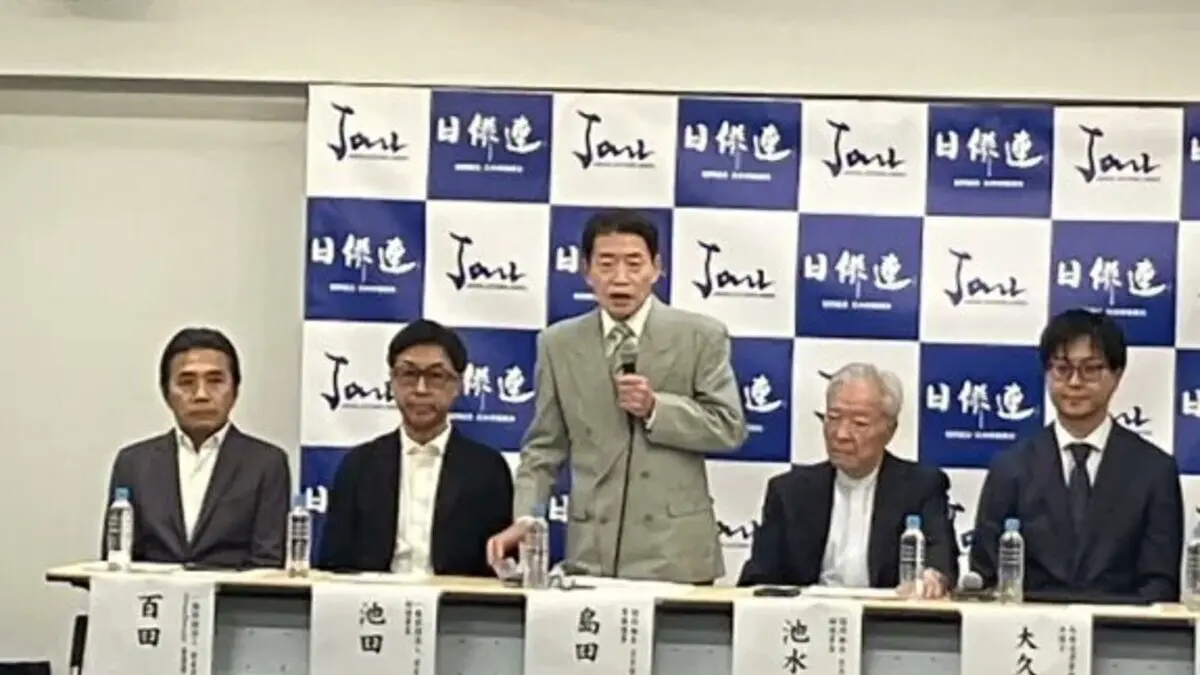
The Japan Actors Union has unveiled new guidelines against unauthorized AI voice cloning.
The headline rule is a strict ban on copying the voices of voice actors who have died.
The main target is unauthorized AI voice cloning. That means using AI to make new lines that sound like a real actor, without that actor’s approval.
The rule on dead performers is the most important part. A dead actor can’t approve a new script, a new role, or an ad. So the union reportedly wants those voices left alone.
Why voice actors are worried
An AI voice model can be used again and again. Studios could make endless new lines without booking a single recording session.
That puts pressure on dubbing, localization, and soundalike work. These jobs keep many actors paid.
There’s also a legal gap. Japan’s copyright law allows some AI training, as long as it isn’t aimed at enjoying the creative content of a work. But that rule doesn’t answer whether someone can release a cloned voice or ignore a contract.
Copyright in an old recording and the rights to a person’s voice are also different things. An old recording being free to use doesn’t mean anyone can copy the actor’s voice.
Japanese voice actors have spoken out about this before. In 2024, a group of well-known voice actors backed a campaign called “NOMORE Unauthorized Generative AI.”
This has happened before
The best-known gaming example is Cyberpunk 2077: Phantom Liberty. In 2023, CD Projekt Red used AI to recreate the voice of Miłogost Reczek, the late Polish voice of Viktor Vektor.
The studio said it had permission from his family. Another actor recorded the new lines, and voice-conversion tech made them sound like Reczek.
In the US, SAG-AFTRA’s 2023 film and TV deals added consent and payment rules for digital replicas. AI protections were also a main issue in the union’s long video game strike, which ended in 2025.

